
The Lindsay Clancy Tragedy: Murder — or a Mind in Crisis?
What happened inside a Duxbury home in January 2023 shocked the nation—and ignited a fierce debate over mental illness, motherhood, and the limits of the law.
Three children are dead. A mother survived. Something unthinkable happened—and the questions that remain have no easy answers. Some cases ask what happened. This one asks how it could have happened at all.
On a cold January evening in 2023, a quiet home in Duxbury, Massachusetts became the scene of an unimaginable tragedy. Inside, three young children fought for their lives. Their mother, Lindsay Clancy—a labor and delivery nurse at Massachusetts General Hospital—who spent her career helping bring new life into the world, attacked her own three young children before jumping from a second-story window.
As the nation struggled to comprehend what had happened, a difficult controversy began to emerge: was this an act of calculated murder, or the catastrophic collapse of a mind in crisis?
In the days that followed, the tragedy ignited a fierce national debate. Mothers across the country began sharing their own experiences with postpartum depression and anxiety, describing how debilitating and isolating the condition can be. Some saw Lindsay Clancy’s case as a stark reminder of how severe postpartum psychiatric illness can become when it goes untreated or misunderstood.
Others were unwilling to entertain that explanation at all, arguing that the deliberate killing of three children cannot be excused by mental illness. The case quickly became a flashpoint for a difficult question: when a mother commits an unthinkable act, where does compassion end and criminal responsibility begin?
While the public wrestled with questions of mental illness and accountability, the criminal justice system began the slower, methodical process of determining what happened inside the Clancy home—and whether Lindsay Clancy could be held legally responsible for the deaths of her three children.
What has unfolded since January 2023 is a complex legal battle involving psychiatric treatment and evaluations, pretrial motions, and a growing debate over how the trial itself should proceed. The case quickly drew national attention not only because of the horror of the crime, but also because it involved a mother with a documented history of mental health struggles following childbirth.
The Backstory
Lindsay Clancy, had been living what appeared to be a typical middle class family life with her husband, Patrick Clancy, and their three young children. Friends and neighbors described the family as loving and devoted. But behind the scenes, Lindsay had reportedly been struggling with mental health issues following the birth of the couple’s youngest child.
On January 24, 2023, prosecutors say Lindsay Clancy strangled her three children with exercise bands in their home after she sent her husband to pick up takeout food. When Patrick returned, he discovered an unthinkable scene. The children—five-year-old Cora, three-year-old Dawson, and eight-month-old Callan—had been attacked. Lindsay had also jumped from a second-story window in what authorities described as an apparent suicide attempt.
Two of the children died shortly afterward, and the youngest died several days later from his injuries. Lindsay survived but suffered severe spinal injuries that left her paralyzed.
Massachusetts prosecutors charged Lindsay Clancy with multiple counts of murder, strangulation, and assault. The prosecution has maintained from the beginning that Clancy was criminally responsible for the deaths of her children.
The defense, however, signaled early that the case would center on Lindsay Clancy’s mental state at the time of the killings.
Shop Our Merch!
Only Trial Junkies and True Crime Addicts will understand this merch: Courtroom Chaos, Media Frenzy, Forensic and LEO Series available in tees, hoodies, caps, totes, and mugs. Check them out!

Early Legal Proceedings

As the criminal case began moving through the Massachusetts court system, it quickly became clear that the defense would focus on an insanity-based defense strategy.
In Massachusetts, defendants may argue that they were not criminally responsible (NCR) if a mental disease or defect prevented them from understanding the wrongfulness of their actions or conforming their behavior to the law.
Clancy’s defense team argued that her mental health had deteriorated dramatically following the birth of her youngest child, Callen. Medical records show she had been treated with multiple psychiatric medications and had sought help for mental health symptoms in the weeks leading up to the tragedy.
Several early hearings focused primarily on procedural issues, including evidence collection, medical record disclosures, and the logistics of evaluating Clancy’s mental state.
Because Clancy survived the fall from her window but suffered catastrophic spinal injuries, her physical condition also became part of the legal process. Court hearings sometimes addressed how she would participate in proceedings while receiving ongoing medical care.
The defense also sought to move the trial out of Plymouth County, citing widespread media coverage and concerns about finding an impartial jury. Reddington described being met by a large group of reporters following Clancy’s arraignment as evidence of the case’s high profile.
Prosecutors, however, challenged the request, calling it disingenuous and pointing out that Reddington had engaged with the media himself, including in an interview with The New Yorker. The court ultimately denied the request, with a written ruling to follow.
Mental Health at the Center of the Case
From the outset, the defense made clear that the case would hinge on Lindsay Clancy’s psychiatric condition at the time of the killings.
Public discussion often referred broadly to postpartum depression, but the defense has not formally limited its argument to that diagnosis alone. Reports indicate Clancy had been treated for a range of symptoms including anxiety, depression, and intrusive thoughts.
Some medical experts who have commented publicly on the case have raised the possibility of postpartum psychosis, a rare but severe psychiatric condition that can occur after childbirth and may involve hallucinations, delusions, or extreme breaks from reality.
However, no final diagnosis presented in court has been confirmed publicly as the defense strategy continues to develop.
The legal question ultimately will not be whether Clancy suffered from postpartum mental illness, but whether her condition rose to the level required under Massachusetts law for a finding of not criminally responsible.
Shop Our Merch
Only Trial Junkies and True Crime Addicts will understand this merch: Courtroom Chaos, Media Frenzy, Forensic and LEO Series available in tees, hoodies, caps, totes, and mugs. Check them out!
Shop Our Merch
Only Trial Junkies and True Crime Addicts will understand this merch: Courtroom Chaos, Media Frenzy, Forensic and LEO Series available in tees, hoodies, caps, totes, and mugs. Check them out!
Civil Lawsuits and Parallel Legal Battles
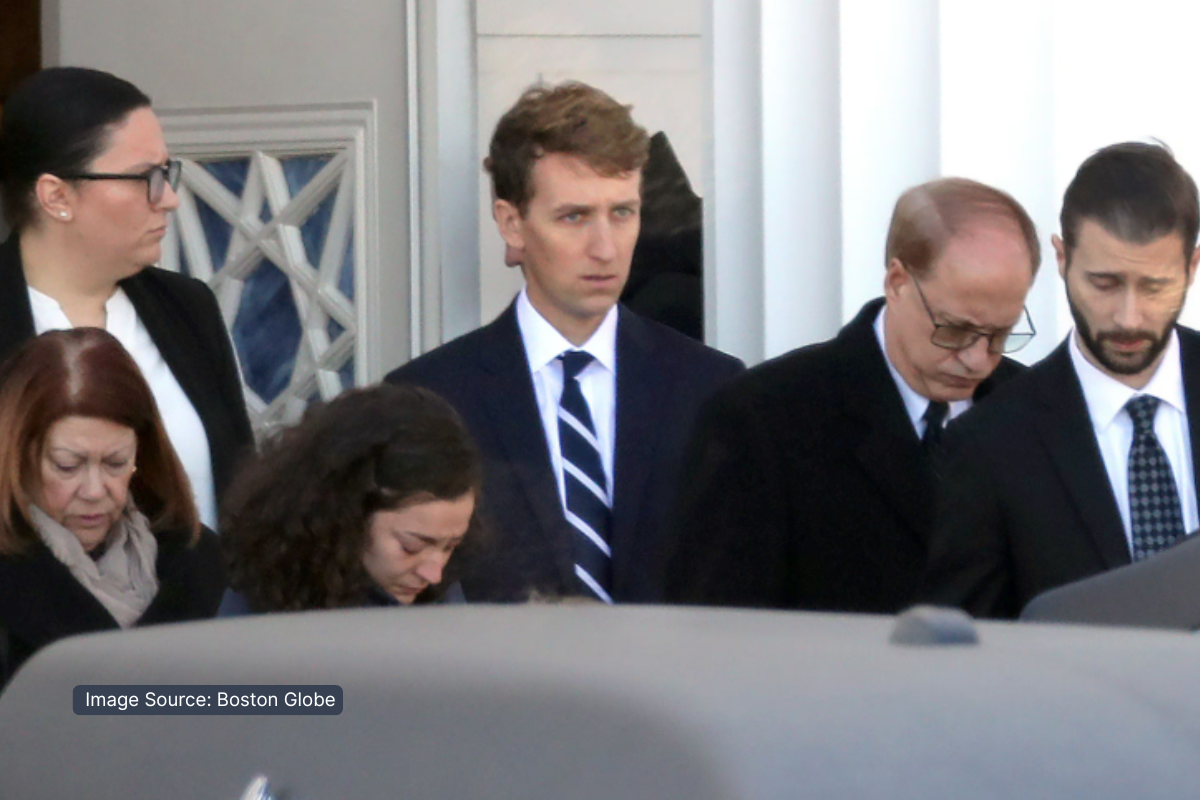
In addition to the criminal prosecution, the case has generated civil litigation.
Lindsay Clancy has filed a lawsuit against the state and her former employer, alleging failures in her medical treatment and psychiatric care.
The named defendants include McLean Hospital, Women & Infants Hospital of Rhode Island, psychiatrist Dr. Jennifer A. Tufts, nurse practitioner Rebecca H. Jollotta, and their respective facilities: Aster Mental Health and South Shore Health. The lawsuit argues that medical providers prescribed a complex regimen of psychiatric medications without properly monitoring their effects.
Her husband, Patrick Clancy, has also filed legal claims connected to the events surrounding the deaths of their children.
These civil actions introduce an additional dimension to the case, raising questions about medical oversight, psychiatric prescribing practices, and whether earlier intervention might have prevented the tragedy.
While the civil cases are separate from the criminal trial, they rely on many of the same underlying facts and medical records. As a result, developments in one case could influence public perception of the other.
The case has also intersected with broader questions about media and evidence. Following a 2024 interview given by Patrick Clancy to The New Yorker, prosecutors sought access not only to the published article, but to the reporter’s underlying notes and materials.
A judge granted the request, finding the information could be relevant to the case. The publication challenged the order, raising concerns about journalistic privilege and press freedom.
The dispute led to additional litigation, highlighting the unusual ways this case has extended beyond the courtroom into questions about the limits of compelled media disclosure.
The Bifurcation Debate
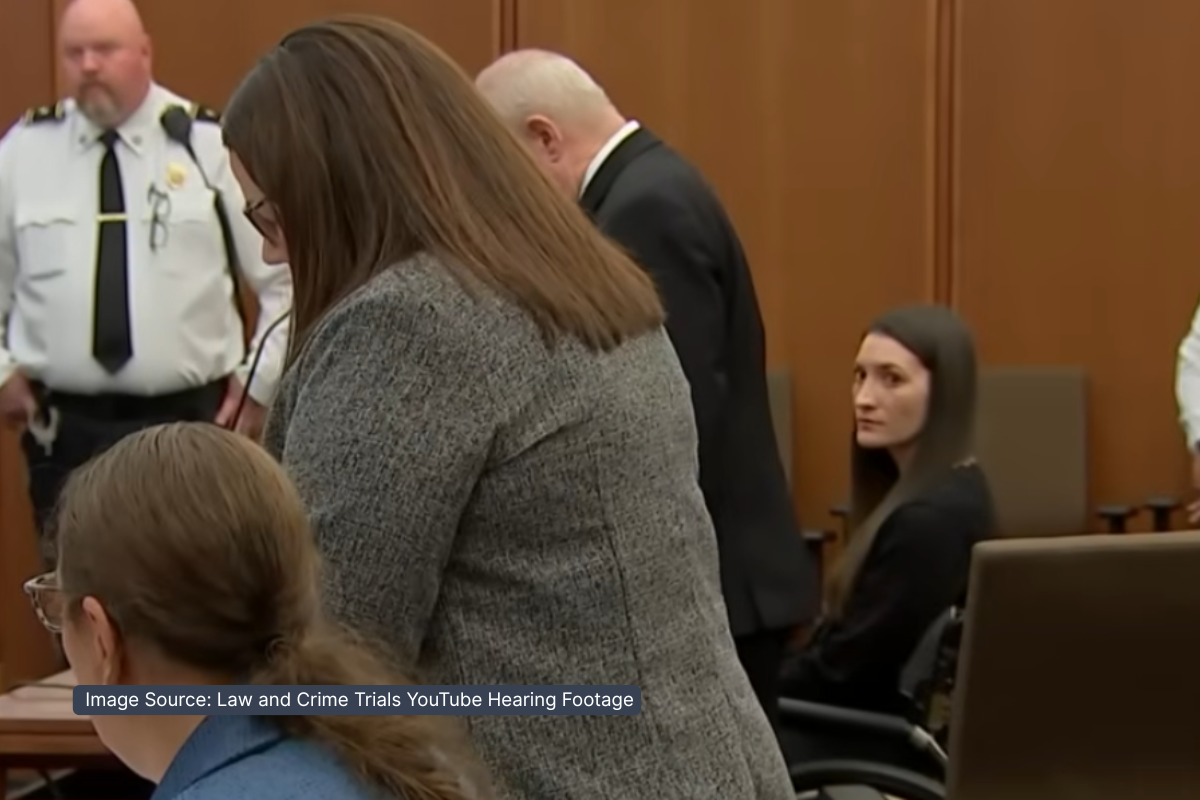
One of the most significant legal issues currently before the court is the defendant’s request to bifurcate the trial.
Bifurcation would divide the trial into two phases:
In the first phase, the jury would determine whether Lindsay Clancy committed the physical acts that caused the deaths of her children.
In the second phase, the jury would consider whether she was criminally responsible for those acts.
This structure is sometimes used in cases where an insanity defense is expected.
The defense argues that separating these questions could help jurors focus on the legal standard for criminal responsibility without being overwhelmed by the emotional facts of the case.
Prosecutors have raised concerns that bifurcation could complicate the trial or affect how jurors evaluate the evidence.
The issue was the subject of a motion hearing in early March 2026 as the court continues to consider how the trial will ultimately be structured.
The March 3 Hearing: Focus Shifts to Mental Health Eval/Trial Structure
At a March 3, 2026 motion hearing, the court’s focus turned squarely toward the upcoming mental health evaluation that could shape the entire case. Much of the discussion centered on whether the Commonwealth’s psychiatric examination of Lindsay Clancy should be recorded, including not only the interview but also the standardized psychological testing. While prosecutors initially objected to recording portions of the testing due to proprietary concerns, the defense pushed back, emphasizing the importance of transparency in how the evaluation is conducted. Ultimately, the court signaled that the evaluation would move forward without delay, with testing scheduled for April 10 regardless of any remaining disputes.
Beyond the recording issue, the hearing revealed that discovery related to the mental health evaluation is largely complete, with both sides preparing for what is likely to become a battle of expert opinions. The defense also confirmed that it has provided prior testing data and materials to the Commonwealth, further indicating that the case is entering a critical evidentiary phase.
The court also addressed several pending motions, including the defense’s request to bifurcate the trial—an issue that could significantly impact how jurors ultimately hear the case. That motion, along with others, is expected to be argued at a future hearing.
Meanwhile, the court began mapping out a path toward trial, with key pretrial conferences expected in June and a trial date still anticipated for July.
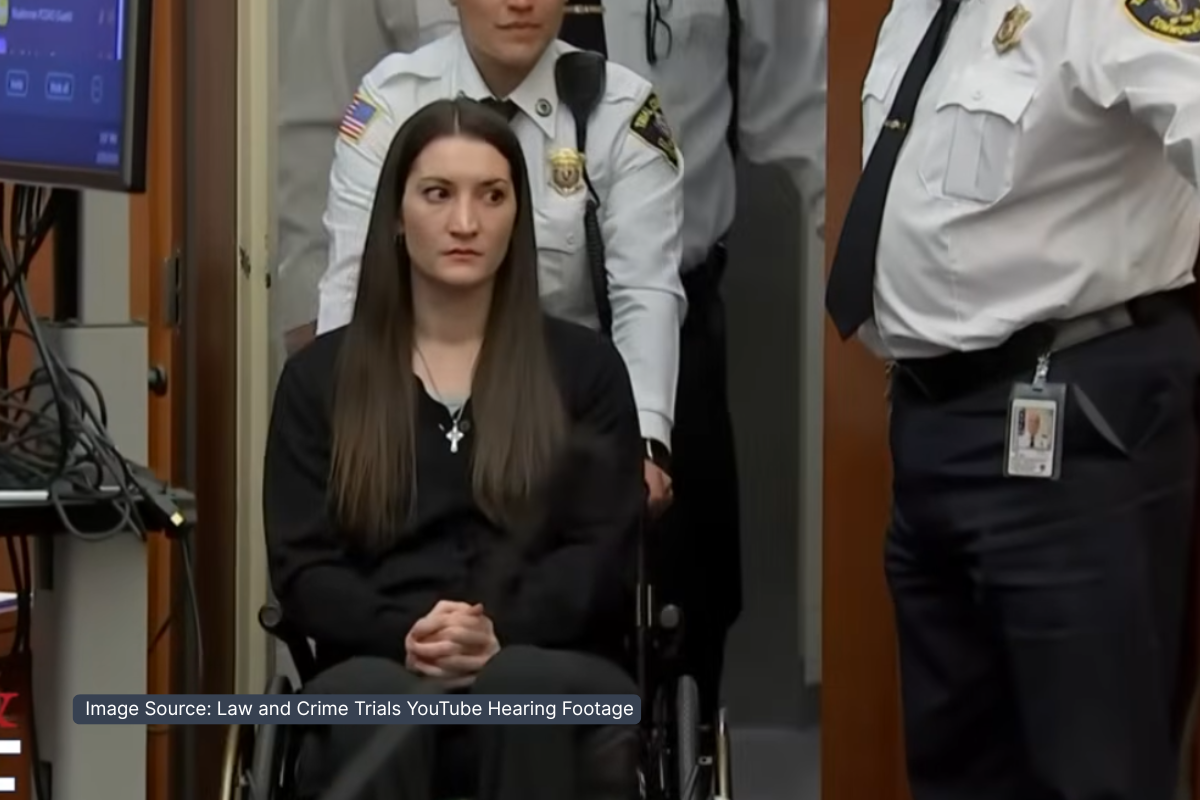

Where the Case Stands Today
As of now, the Lindsay Clancy case remains in the pretrial phase. Since her arrest in May 2023, she is being housed at Tewksbury State Hospital in Massachusetts.
A critical step still ahead is a court-ordered mental health evaluation, which will help determine how the insanity defense will proceed. Experts will evaluate Clancy’s psychiatric condition and whether she meets the legal criteria for lack of criminal responsibility. Meanwhile, the court continues to address pretrial motions, including disputes over evidence, expert testimony, and the defense’s request to bifurcate the trial.
The case sits at the intersection of criminal law, psychiatry, and public grief. At its core are three children who lost their lives, a family shattered by tragedy, and a legal system now tasked with answering the most difficult question of all: what responsibility does the law assign when mental illness is claimed to have driven an unimaginable act?
That question will ultimately be decided in court. And the nation will be watching.
Related Articles
No Results Found
The page you requested could not be found. Try refining your search, or use the navigation above to locate the post.