
9 Women | 7 Men Seated in the Brian Walshe Jury Selection
Early Impressions from Inside the Courtroom
And The Jury Had Been Seated
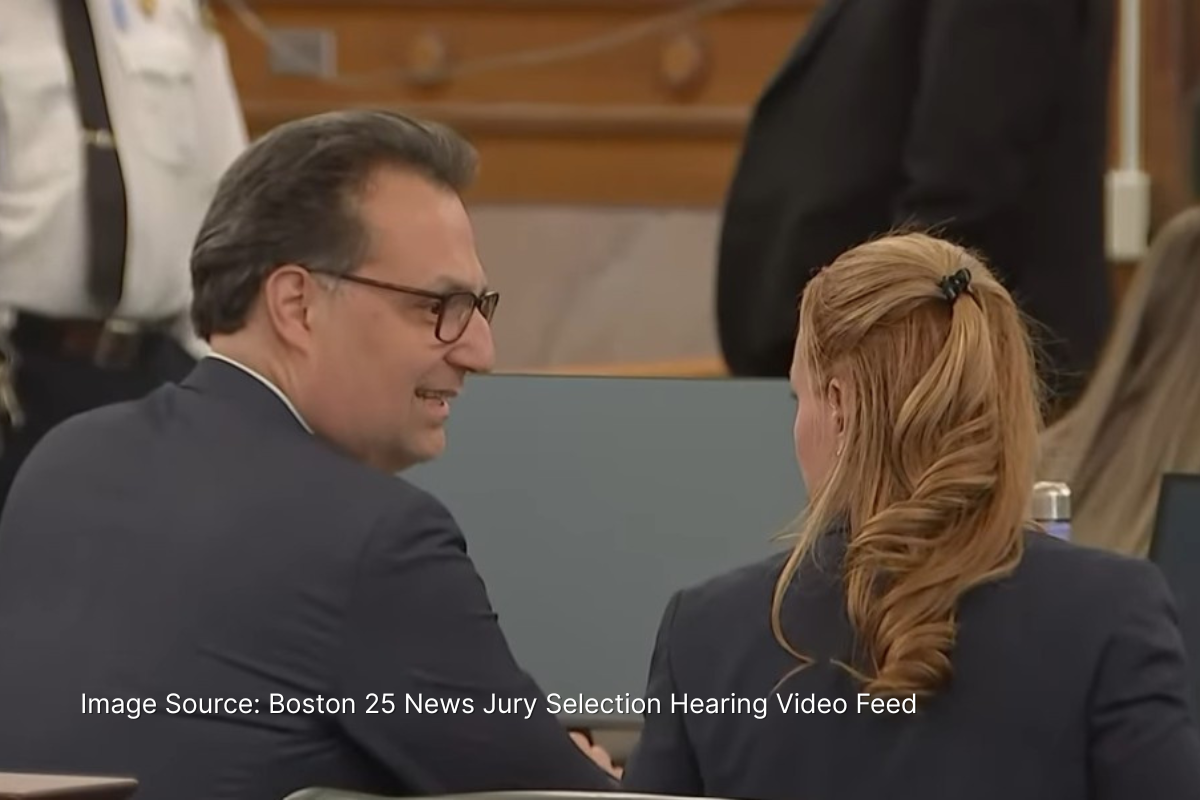
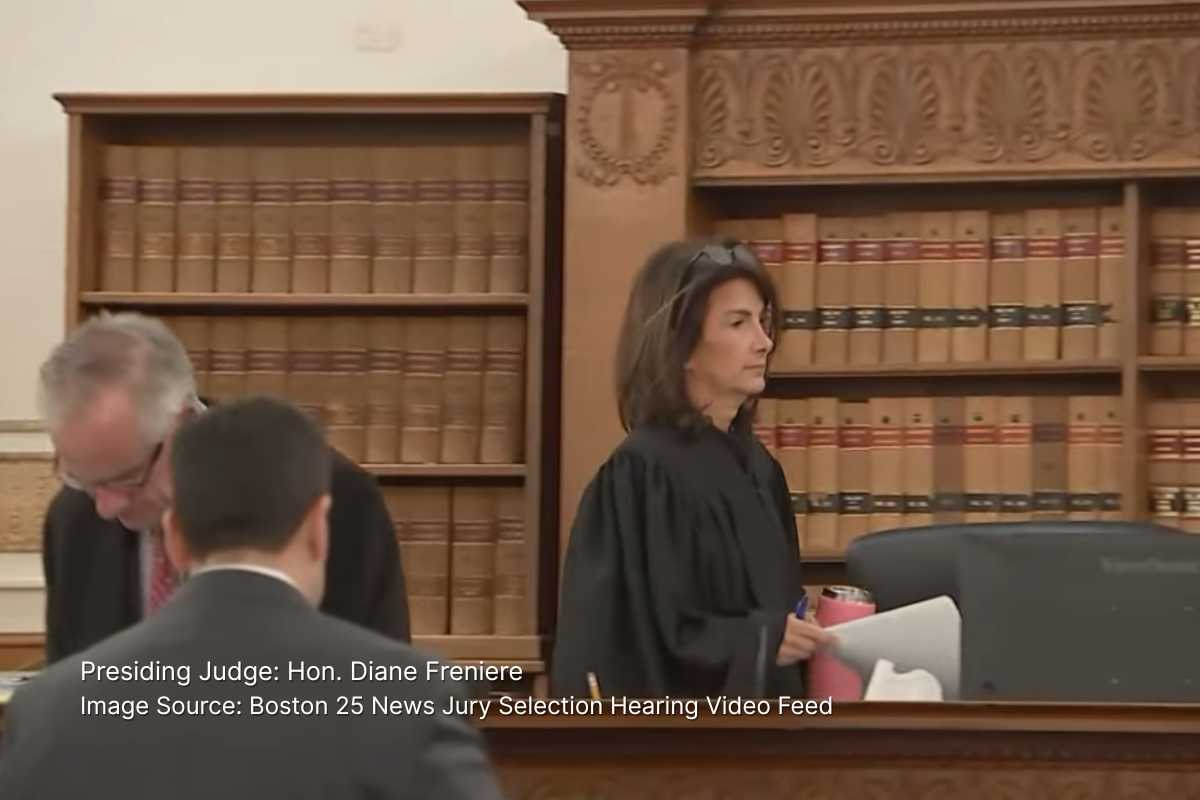
Jury selection in the Brian Walshe trial began last week, and it took three days to empanel sixteen jurors who were seated under the steady hand of Judge Julia Freniere. NBC Boston’s coverage of the proceedings offered a view inside the courtroom, where the judge’s organized and straightforward leadership set the tone immediately.
Prospective jurors faced questions about media exposure, their ability to avoid news coverage, and their comfort with complex digital evidence — all clear signs of the type of case this will be. Walshe’s upcoming trial will involve layers of digital forensics, state-of-mind testimony, phone data, search history, and disputed motive evidence. Ensuring a fair and attentive jury is crucial.
Based on reports, jurors appear composed, focused, and willing to follow instructions. Several took notes. Others showed steady eye contact and patience throughout questioning. This early group seems capable of handling a multi-week, emotionally heavy trial.
The Jury Composition
Reports out of Dedham state that the sixteen jurors are comprised of nine women and seven men.
This is a balanced but slightly female-leaning jury. Very typical for high-profile domestic family-related cases.
⭐What this suggests:
Women jurors (as a group) tend to:
Be more attuned to emotional dynamics and red flags in relationships
Pay closer attention to victimology
Weigh motive evidence seriously
Have less tolerance for perceived manipulation
Men (as a group) tend to:
Process digital evidence more analytically
Be less swayed by emotion
Focus more strictly on burden of proof
A 9–7 ratio means neither gender dominates, but women’s interpretation of relationship tension, state-of-mind testimony, and family dynamics may hold slightly more weight.
Backgrounds reportedly include an art teacher, a scientist, a CFO, and one unemployed juror. This is a notably educated and perceptive pool — a mix of analytical thinkers and emotionally intuitive observers.
This is very telling.
🎨 Art Teacher
Art teachers are typically:
Emotionally perceptive
Strong observers of behavior and tone
Empathetic but also structured (teaching requires discipline)
Good at reading nuance
This juror may pay special attention to:
Relationship dynamics
Tone in Walshe’s interviews
Behavioral changes
Inconsistencies
This is not ideal for the defense.
🔬 Scientist
Scientists are:
Extremely analytical
Evidence-driven
Excellent with data
Less influenced by theatrics or emotional appeal
This juror will laser-focus on:
Digital forensics
Search history timelines
Logical consistency
Missing pieces
This favors the prosecution if their digital evidence is clean and chronological.
💼 CFO
A CFO brings:
High intelligence
Pattern recognition
Risk assessment
Financial crime familiarity
Bullshit detector at 110%
This juror will be:
The one in deliberation saying “Okay, but does this add up?”
Tough on inconsistent stories
Very interested in motive and timeline
This could be disastrous for Walshe if the state builds a timeline that makes sense.
🧍♂️ One Unemployed Juror
Unemployed jurors often:
Take jury duty very seriously
Are highly attentive
Feel honored to be included
Are steady observers
But:
They may resent someone who appears privileged or manipulative — IF the narrative swings that direction.Neutral overall but could trend prosecution if they feel the victim was vulnerable.
A scientist and a CFO on the same panel suggest the jury will place significant weight on digital forensics, timelines, and logical structure. Meanwhile, an art teacher brings emotional intelligence and an eye for behavioral nuance — traits that often play a role in cases involving relationship dynamics and state-of-mind testimony.
Overall, this jury appears attentive, balanced, and difficult to sway with theatrics or superficial arguments. Their interpretation of motive, inconsistencies, and technical data will be pivotal once the trial begins.
Trial begins Monday, December 1st, and every decision being made this week will shape what happens in that courtroom.
Justice Case Analysis will follow this trial, so stay with me, we’ll watch it together. Go check out the main Walshe Trial Hub for a complete overview, timeline, and documents on this case.
Worth Noting…What Up With Walsh’s Courtroom Demeanor?
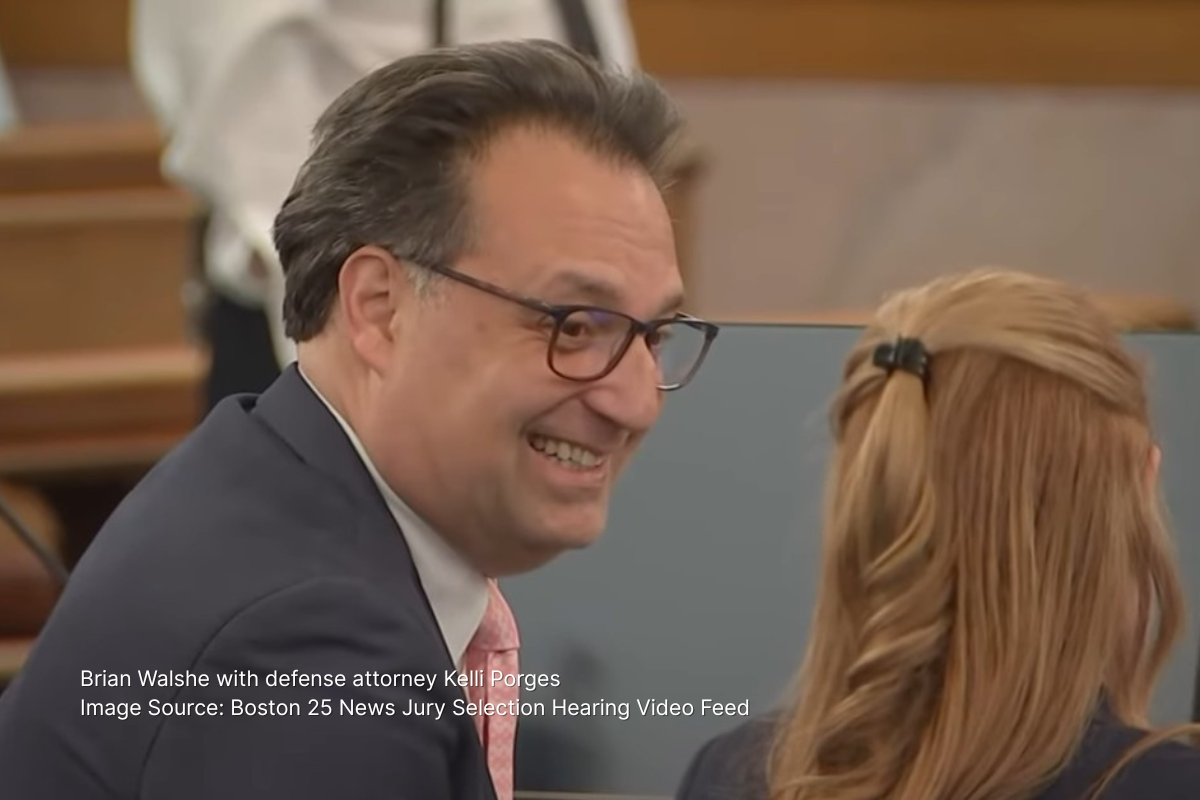
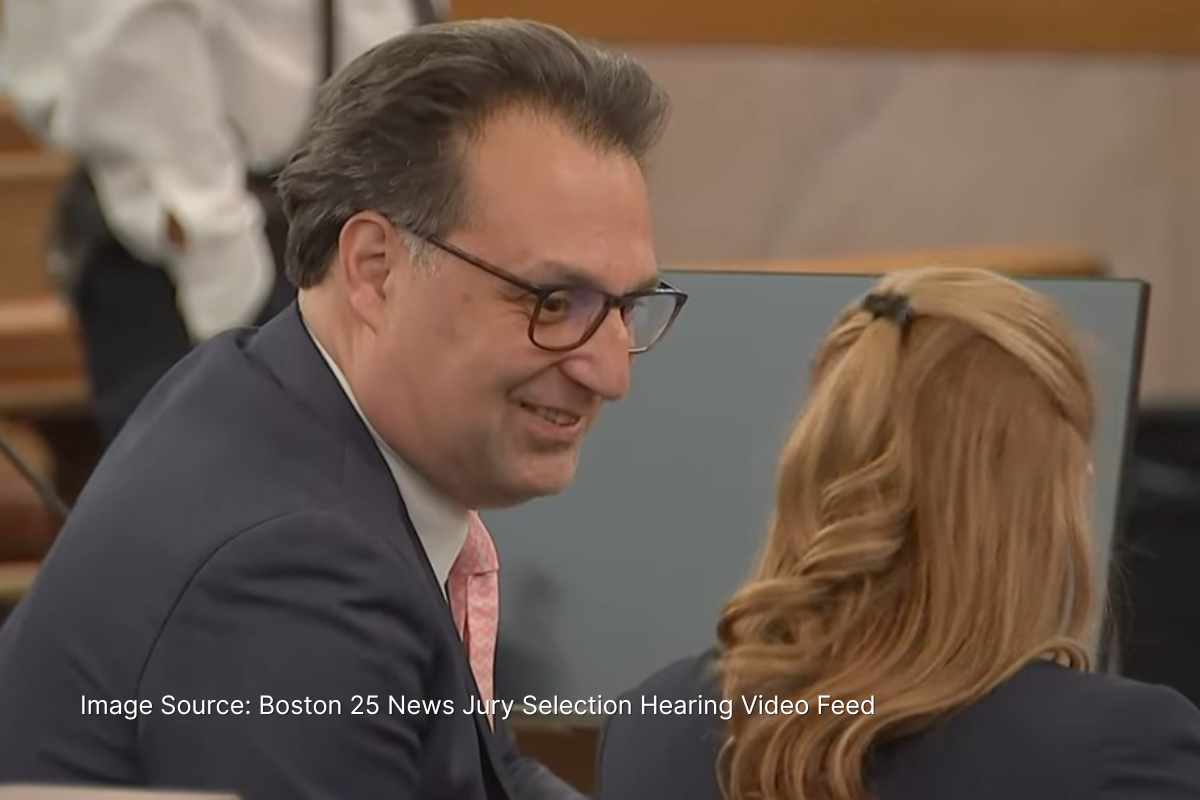
During jury selection, Brian Walshe appeared unusually upbeat — even downright giddy — smiling broadly as he chatted with defense attorney Kelli Porges. At one point he seemed so relaxed and cheerful that you’d never guess he’s sitting in a courtroom facing a murder trial.
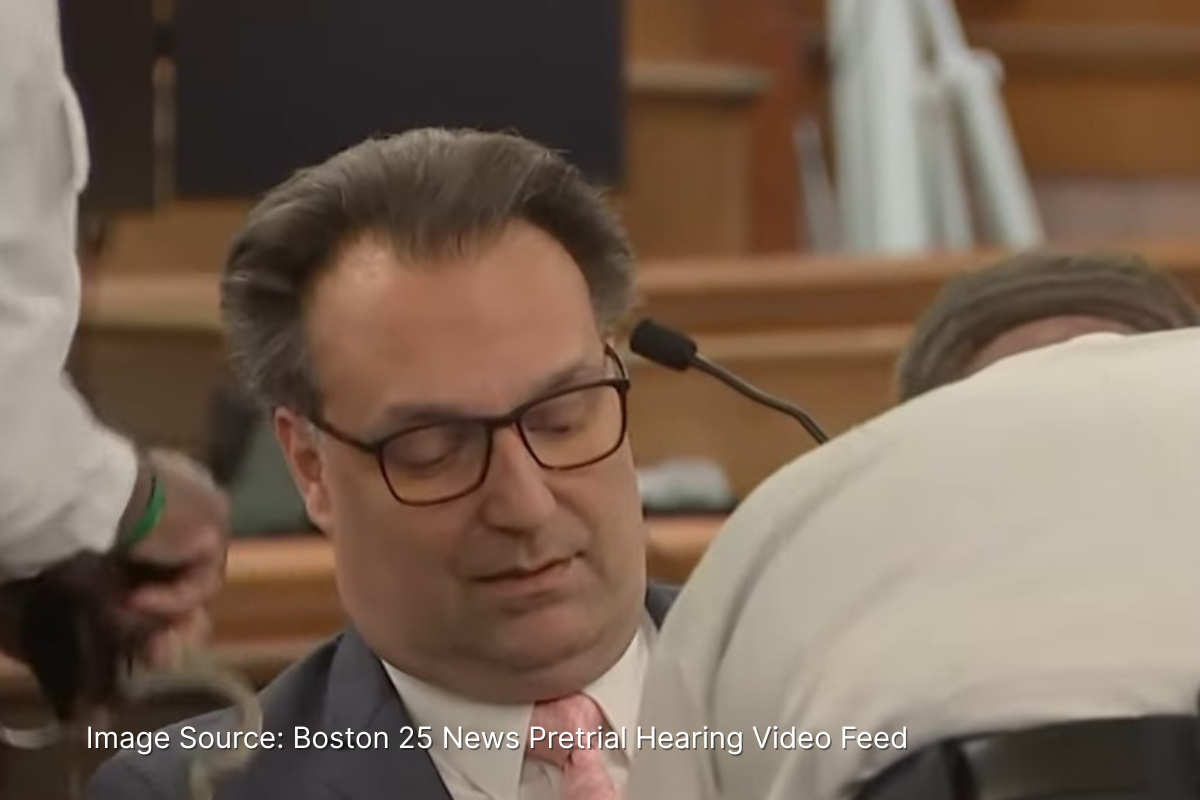
His pastel pink tie didn’t exactly soften the effect; if anything, it added to the surreal contrast between his demeanor and the gravity of the proceedings.
Comedic Interpretation (Because… come on…I have to):
It’s giving:
“First day of school dad energy”
“I think the jury likes me 😁”
“I’m about to pitch a startup idea”
“Nothing says ‘innocent man’ like a pastel tie”
Analysis:
Defendant demeanor during jury selection can make an impression — not necessarily in a direct, conscious way, but in subtle, subconscious ones. A defendant who appears overly cheerful, animated, or relaxed may unintentionally raise questions for both jurors and viewers:
Does he fully grasp the seriousness of the situation?
Is this confidence… or disconnect?
Could jurors interpret this as arrogance or insincerity?
Or will they simply view it as nervous energy manifesting as friendliness?
While jurors are instructed not to interpret demeanor as evidence, humans are human — and first impressions always land somewhere. Walshe’s bright mood may end up being a footnote, or it could become part of the intangible atmosphere surrounding how the jury perceives him as the trial unfolds.
Either way… did the pink tie do him any favors?
Related Articles
Brian Walshe Trial Day 10 – Jury Instructions
Day 10 marked the transition from evidence to decision-making. With testimony complete, the court finalized jury instructions outside the presence of the jury, addressed minor but important edits, and then instructed jurors on the law governing the single charge they...
Brian Walshe Trial Day 10 | Closing Arguments
As the Brian Walshe trial moved into its final phase, the closing arguments distilled weeks of testimony into two sharply different narratives. The Commonwealth urged jurors to view the evidence as proof of a calculated, premeditated murder followed by deliberate...
Brian Walshe Trial Implodes Mid-Stream: The Defense Walks Off the Stage
The Commonwealth closed its case on December 10 after presenting a dense stack of forensic evidence, digital breadcrumbs, and witness testimony. But the real story unfolded immediately afterward — in the small procedural moments that signaled the trial was about to...