
Brian Walshe Trial Opening Statements: Welcome to the Twilight Zone
An OP ED: When the evidence says homicide, but the defense says “heart attack”.
The Trial Begins… And It Gets Weird Fast
Reader Tip: If you like to dig into the details make sure you read all the way to the bottom. I’ve included a BONUS breakdown of the Morning Housekeeping — the motions, rulings, and strategic sparks that happened before opening statements began.
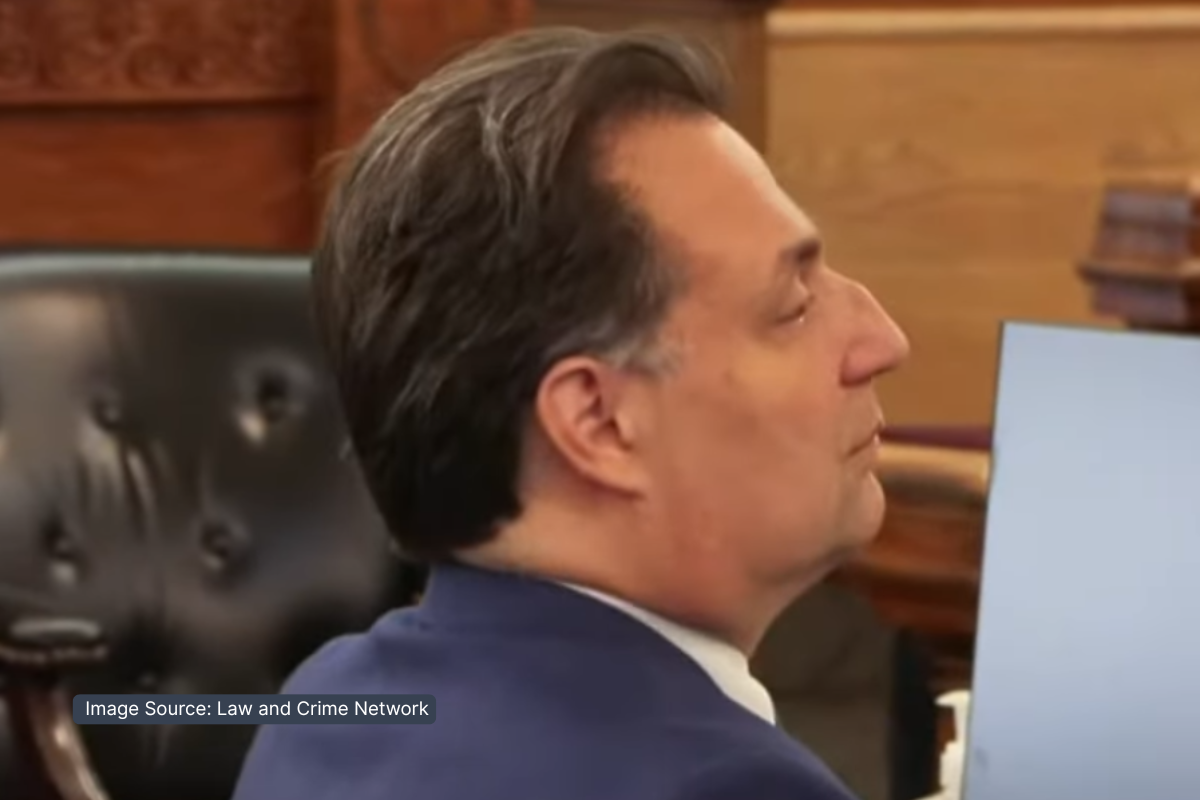
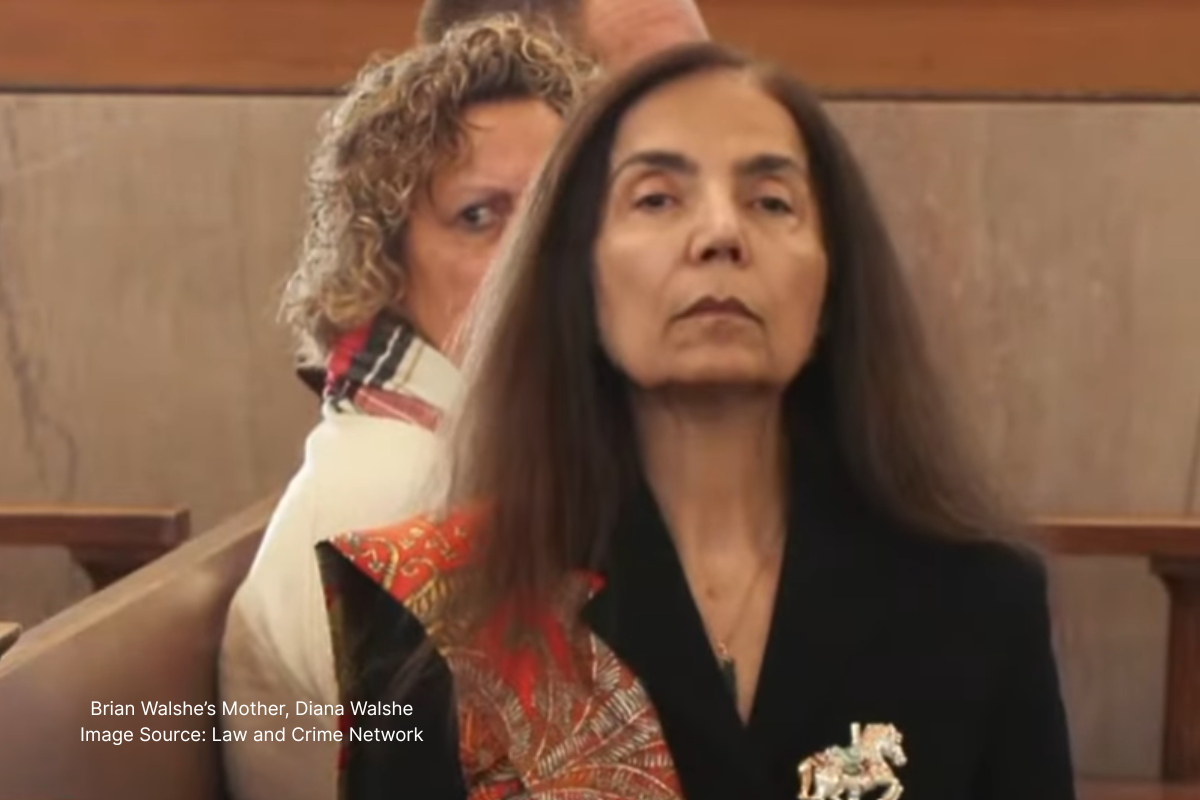
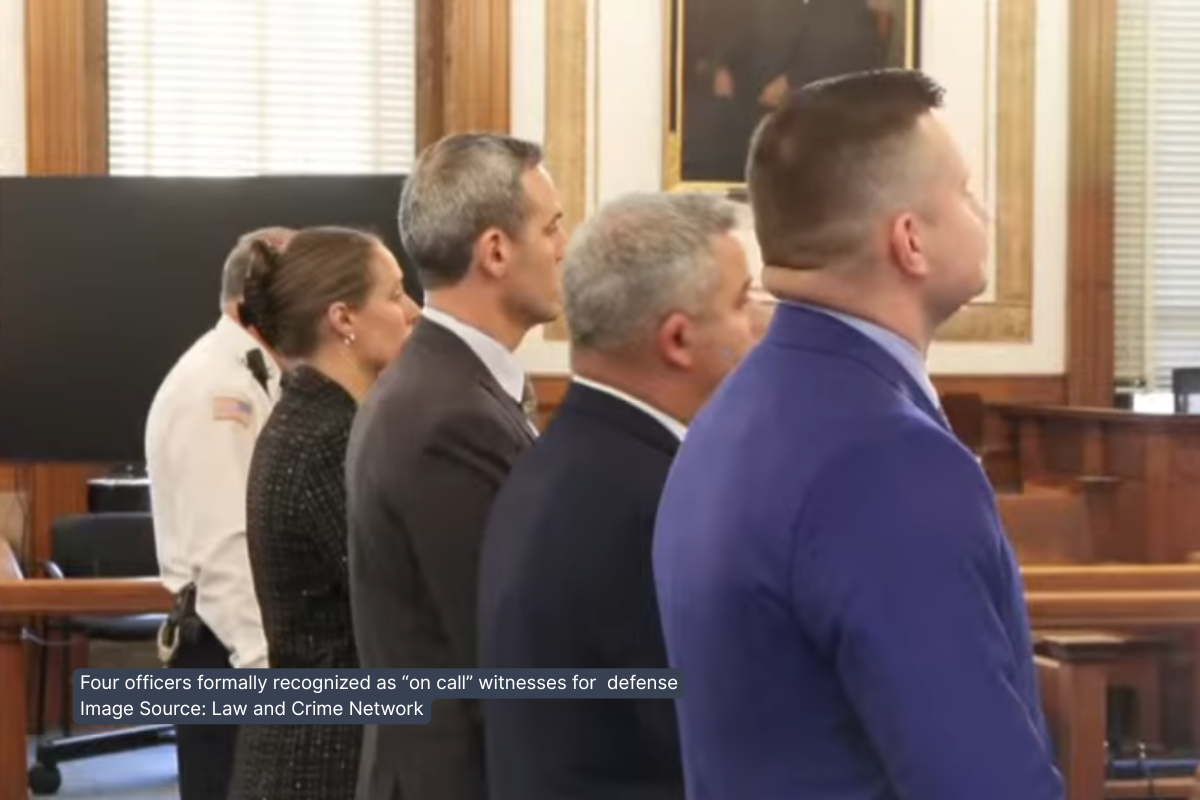
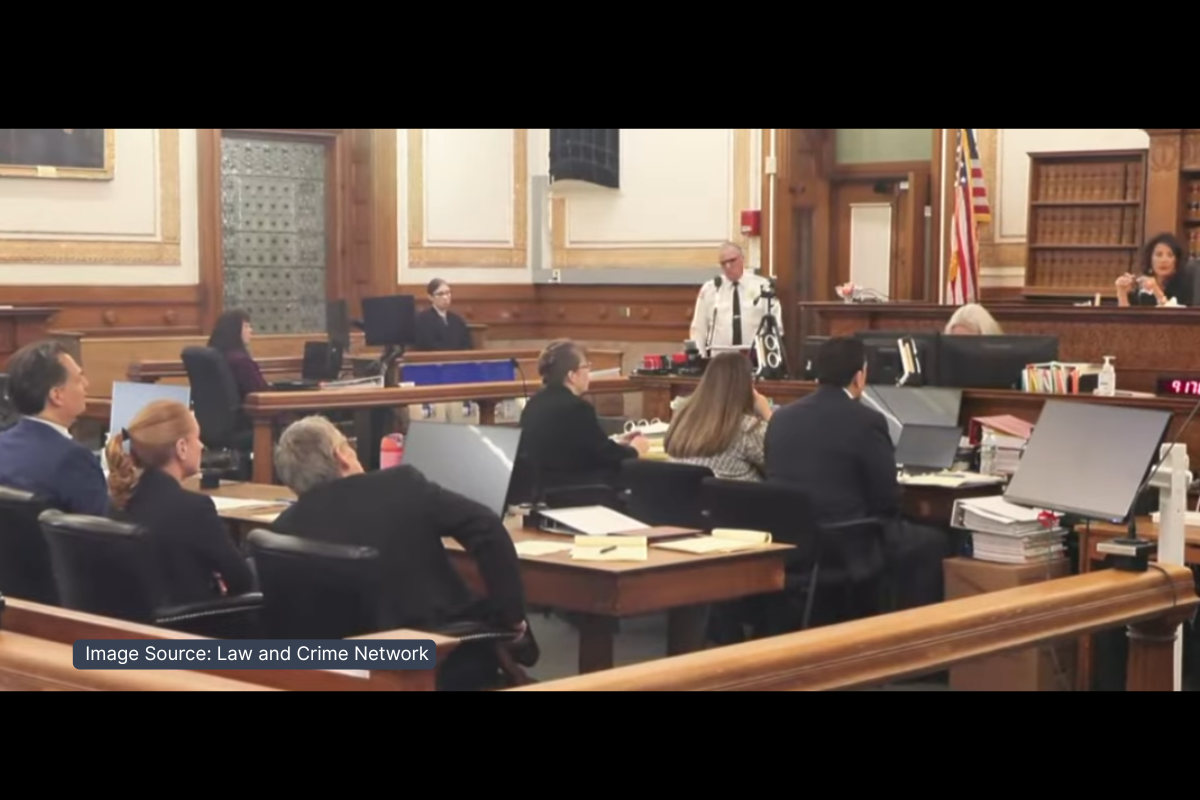
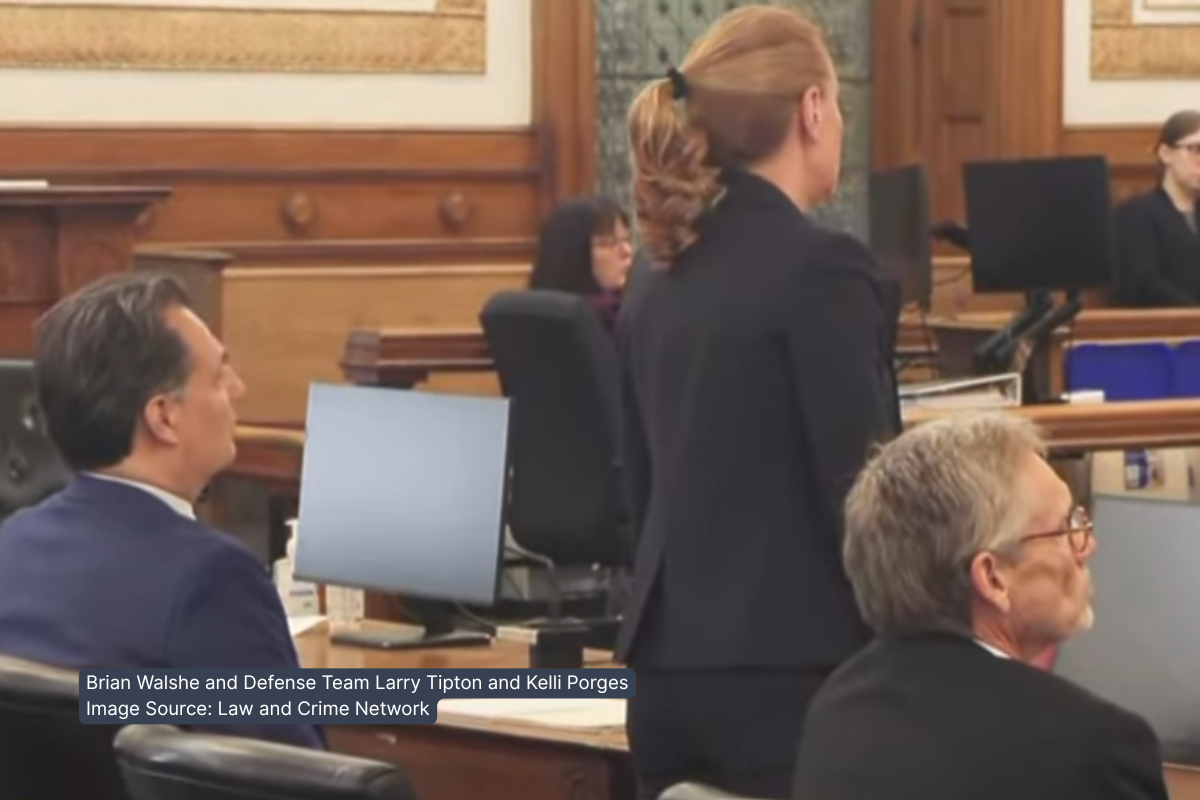
If you ever wondered what it’s like to sit in a courtroom where half the story feels like a crime thriller and the other half feels like a psychological hallucination, welcome to Day 1 of the Brian Walshe murder trial.
The Commonwealth stood up and delivered the expected recap of Evidence That Already Speaks for Itself™.
But the defense? Oh honey!
The defense delivered a masterclass in mental gymnastics, the kind that defies gravity, logic, physics, and possibly state law.
By the time they were done, I half expected Rod Serling to stroll into the courtroom holding a chalkboard labeled: “Alternate Reality Ahead.”
Here’s the defense theory boiled down to its pure essence:
Brian cleans the kitchen after a New Year’s Eve party at 1:30 a.m. He wanders upstairs to hop in bed with Ana.
He “senses something is wrong.” He finds Ana dead in bed.
WUT?!
And because he’s already in legal trouble, he panics. And because he panics, he decides the best course of action is…
hide the body | dismember the body | scatter the body | lie to police | lie to everyone | go dumpster-hopping around the state | Google things no innocent man Googles | take his kids for smoothies | and pretend everything is normal
Sir.
Be serious.
This is less of a defense theory and more of a movie plot rejected by the Hallmark Channel for being “a little intense, don’t you think?”
The Defense Theory That Defies Gravity
After this trip through Magical Bedtime Heart Attack Land™, the defense pivoted to the loving text messages between Brian and Ana.
And yes, they were pleasant. They were warm. They were flirty. They talked dinner, kids, and future plans. But here’s the thing: People text “love you babe!” while quietly googling apartment leases. Couples fall apart in private while holding it together over text. Happy messages don’t prove a happy marriage — they prove two people had smartphones.
Then came the Dec. 27 divorce-related Google searches. The Commonwealth wants to call this premeditation. But honestly? It looks a whole lot more like: stress, panic about federal sentencing, marriage strain, asset protection, general chaos.
“Oh hell, what if I end up in prison?”
Divorce searches do not equal murder planning. If anything, they paint a picture of conflict brewing — something far more consistent with a confrontation that escalated into violence.
And honestly, if the defense wanted a story that even hinted at plausibility, “she fell down the stairs” would’ve been ten times more believable than “she died peacefully in bed and he thought no one would believe him.”
But we’re not in the realm of logic today. We’re in the Twilight Zone.
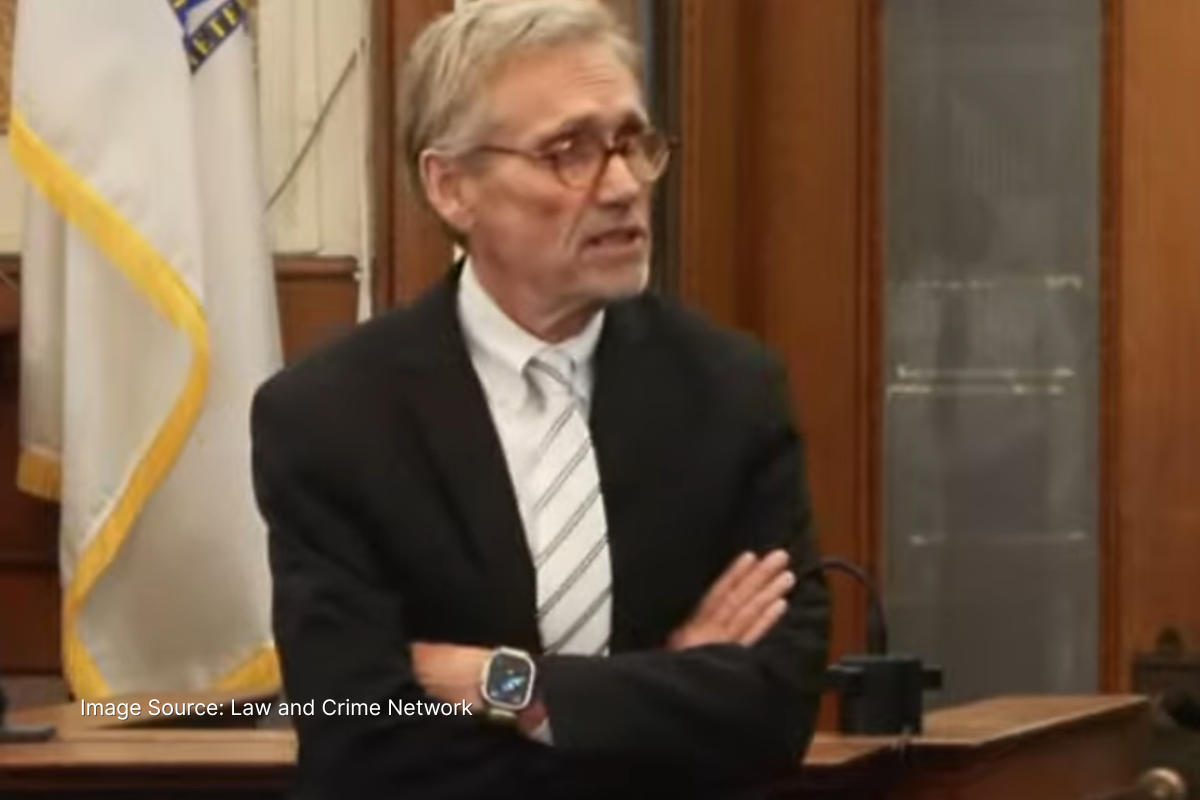
“You Will Hear Evidence…” (Translation: He Might Testify) Defense attorney Larry Tipton repeatedly dropped lines like:
“You will hear evidence of what he thought.”
“You will hear evidence that it didn’t make sense to him.”
“You will hear evidence why he reacted as he did.”
And I’m over here shouting at my screen:
FROM WHO??
His Apple Watch?
Alexa?
The ghost of New Year’s Eve Past?
The only person who can testify to Brian’s internal thought process is… Brian.
Tipton’s wording sounded suspiciously like the early-stage foreshadowing attorneys use when they’re prepping the ground for a defendant who might take the stand.
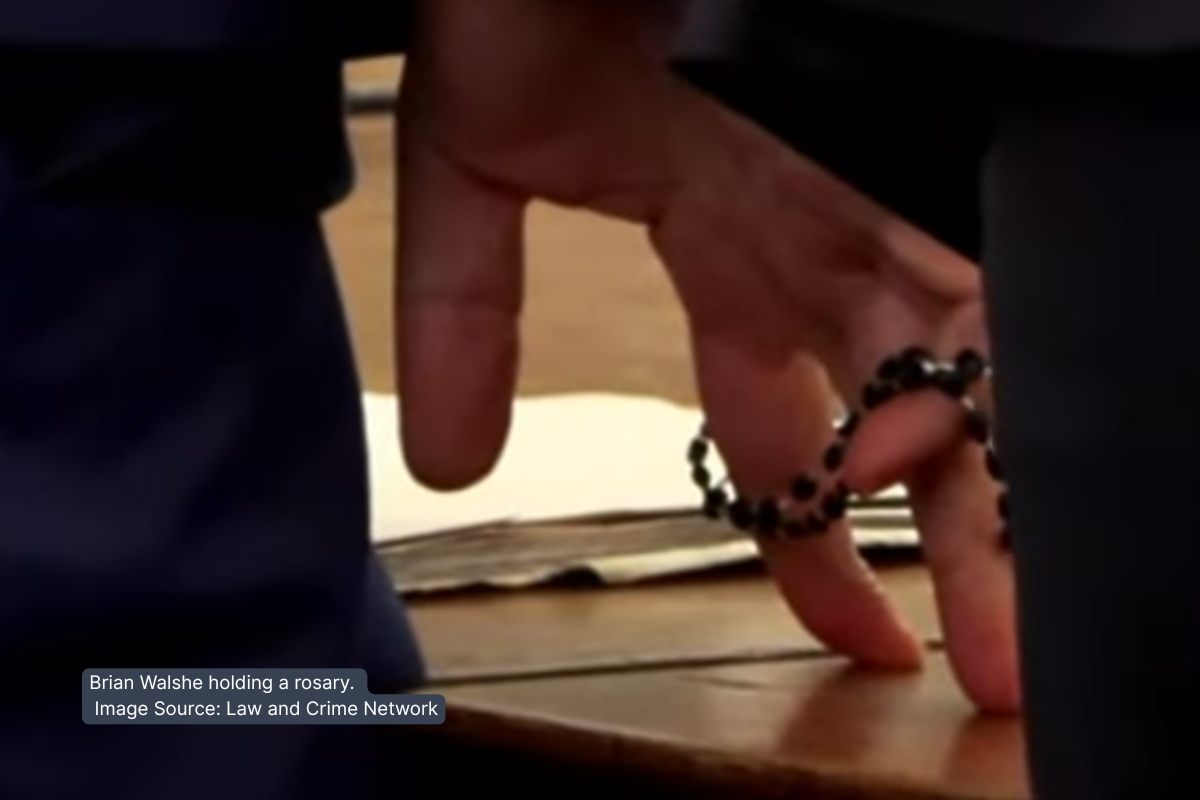
Brian Walshe Clutches a Rosary During Day 1 of Trial
If Brian Testifies?
Get your popcorn. Because the cross-examination will be a demolition.
Second chair Keli Porges sat with calm focus, projecting the serene energy of a woman who knows she must commit to this theory no matter how many mental backflips it requires. Respect.
The Google Searches: Sir, Stop
Some highlights from the Greatest Hits Collection:
“How long before a body starts to smell”
“How to dispose of a body”
“How to stop a body from decomposing”
“Hacksaw cleanup”
“Can you be charged with murder without a body”
And please note what’s missing:
Not a single search you would expect from someone who supposedly found their spouse dead of natural causes:
“How to help someone having a heart attack”
“Signs of stroke”
“Can a healthy person die in their sleep?”
“What do I do if my wife won’t wake up?”
“When to call 911 for unresponsiveness”
Nothing related to a health crisis. No health. No medical panic. No confusion. Just logistics. Lots of logistics.
This isn’t “panic.” This is “damage control.”
Where Were the Kids?
Right there. Asleep in the home. Inside the same home. While everything unfolded.
He even took them on errands after the fact — including some disposal-related trips. The cognitive dissonance is astonishing.
It’s one of the darkest parts of this case and underscores the sheer detachment in Brian’s post-homicide (alleged) behavior.
Courtroom Twilight Zone Bonus Scene: The Front Row Drama
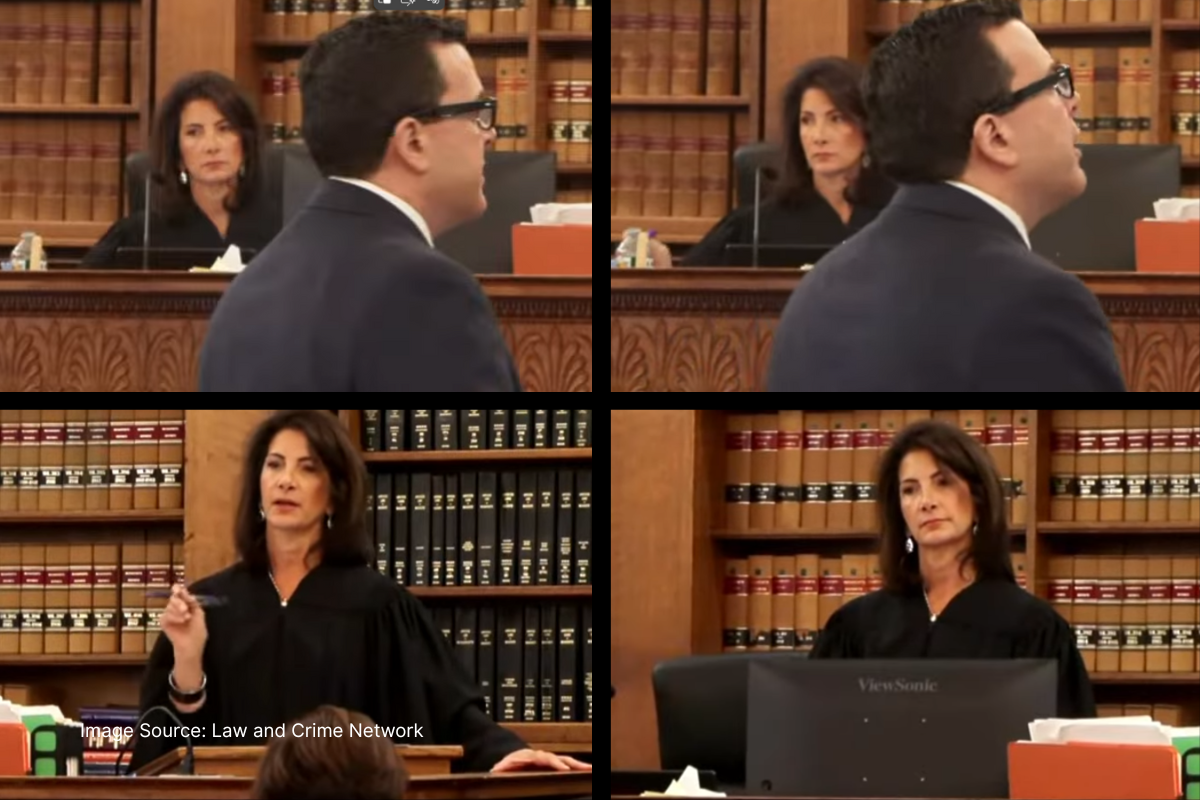
While all this was happening, Judge Frenier conducted her own silent subplot. During openings, she repeatedly shot laser-focused glances at the front row: the kind of look normally reserved for children who are trying to eat the crayons during class.
But she didn’t interrupt the attorneys. She didn’t disrupt the flow. Made a mental note. She stayed steady, composed, absolutely professional.
Then — after the break — she addressed it.
Three people in the front row were apparently causing a distraction by taking transcripts or notes in some overtly noticeable way. Frenier told them to move back. And she did it with that perfectly controlled judicial tone that says:
“I was patient. I am done being patient.”
I love this woman!
The Premeditation Problem (The Serious Part, Because We Need One)
Let’s be clear. This is overwhelmingly a homicide case. But the first-degree / premeditated part is far more legally fragile. Under Massachusetts law, premeditation requires intent to kill, formed before the act, even just seconds before.
Murder 1 is not the result of rage, panic, or sudden impulse. What the Commonwealth has: massive, damning post-homicide behavior: lies, disposal, Google searches, manipulation, timeline issues, motive themes.
What they don’t have: proof he planned to kill Ana in advance, prior threats, documented violence, a weapon purchase, messages indicating intent, anything showing forethought before the moment of death. Everything points to:
✔️ a sudden escalation
✔️ a confrontation
✔️ rage
✔️ impulsivity
✔️ panic
✔️ catastrophic cover-up
This is one of those rare trials where we’re walking in already knowing almost every piece of evidence. No sealed filings, no gag orders, no black-hole discovery. But the real question is: will the Commonwealth pull out something new — something that finally pushes this case into true premeditation territory?
Thus far, the Commonwealth’s case fits second-degree murder or heat-of-passion manslaughter much more naturally than first-degree. But will the jury care? We’ll see.
Because the cover-up is so elaborate and horrifying that jurors may simply leap emotionally to first-degree and never look back.
Final Thoughts from the Twilight Zone
The defense wants the jury to believe that Ana died peacefully in bed. Brian panicked. And his panic just happened to include every action commonly associated with a homicide cover-up.
Meanwhile, the prosecution is handing the jury surveillance footage, blood evidence, timeline analysis, digital forensics, lies, missing items, disposal patterns, common sense.
This trial is going to be a ride.
And if Day 1 set the tone, then buckle up — we have officially crossed into another dimension, one filled with strange defenses, irritated judges, courtroom side-quests, forensic chaos, and the possibility that Brian Walshe may step into the witness box and take the entire trial into its own season finale.
Welcome to the Twilight Zone.
BONUS! Judge & Counsel Morning Housekeeping Summary (Day 1)
Before the jury heard a single word of opening statements, the judge and attorneys worked through several unresolved motions and procedural issues.
1. The Hole in the Ceiling
The defense attempted to block testimony about a hole discovered in the Walsh home’s ceiling.
Ruling: Denied.
The judge found it relevant to the investigation and allowed the Commonwealth to introduce it as part of its narrative.
2. The “Richard Walker” Email
The defense argued that the mysterious email tip—sent by someone calling themselves “Richard Walker”—had zero connection to Brian Walshe and risked unfair prejudice.
The Commonwealth countered that it was simply part of showing the thoroughness of the investigation.
Ruling: Denied.
The email comes in. A stipulation was entered to streamline its presentation.
3. The Fastow Text Messages / Photo Issue
A bit of procedural confusion arose over which motion controlled text messages between the victim and her friend, Mr. Fastow. The Commonwealth wants to reference a photo Ana allegedly sent the night she vanished. The defense says the evidence rests on hearsay or disputed records.
Ruling: Deferred.
The judge will sort this out when Fastow testifies later in the week.
4. Mentioning Walshe’s Prior Guilty Pleas
The defense asked to reference Walshe’s prior pleas (lying to police and improper disinterment).
The judge has not ruled, meaning defense must avoid mentioning the pleas in opening.
However, the Commonwealth can say Walshe lied to investigators — because that stands independent of the plea itself.
5. Stipulations Entered
Four stipulations were submitted and marked for identification:
Richard Walker email
Chain of custody for DNA
Authentication of records
Federal prosecution/conviction details
These will be read to the jury at the appropriate time upon request.
6. Consciousness of Guilt Instructions
The defense requested no preliminary “consciousness of guilt” instruction.
Judge confirmed: none will be included in the initial jury instructions.
7. Sentencing on the Prior Charges
Defense believed sentencing would happen immediately, but the judge clarified no date was set.
Victim-impact statements have not yet been submitted.
The judge is flexible: sentencing can occur during or after the murder trial depending on timing and whether a verdict is reached.
Related Articles
Brian Walshe Trial Day 10 – Jury Instructions
Day 10 marked the transition from evidence to decision-making. With testimony complete, the court finalized jury instructions outside the presence of the jury, addressed minor but important edits, and then instructed jurors on the law governing the single charge they...
Brian Walshe Trial Day 10 | Closing Arguments
As the Brian Walshe trial moved into its final phase, the closing arguments distilled weeks of testimony into two sharply different narratives. The Commonwealth urged jurors to view the evidence as proof of a calculated, premeditated murder followed by deliberate...
Brian Walshe Trial Implodes Mid-Stream: The Defense Walks Off the Stage
The Commonwealth closed its case on December 10 after presenting a dense stack of forensic evidence, digital breadcrumbs, and witness testimony. But the real story unfolded immediately afterward — in the small procedural moments that signaled the trial was about to...