
Brian Walshe Trial Day 4 – Ana’s Affair: William Fastow Testimony
A Lover’s Testimony That May Have Helped the Defense More Than the Prosecution
William Fastow Takes the Stand
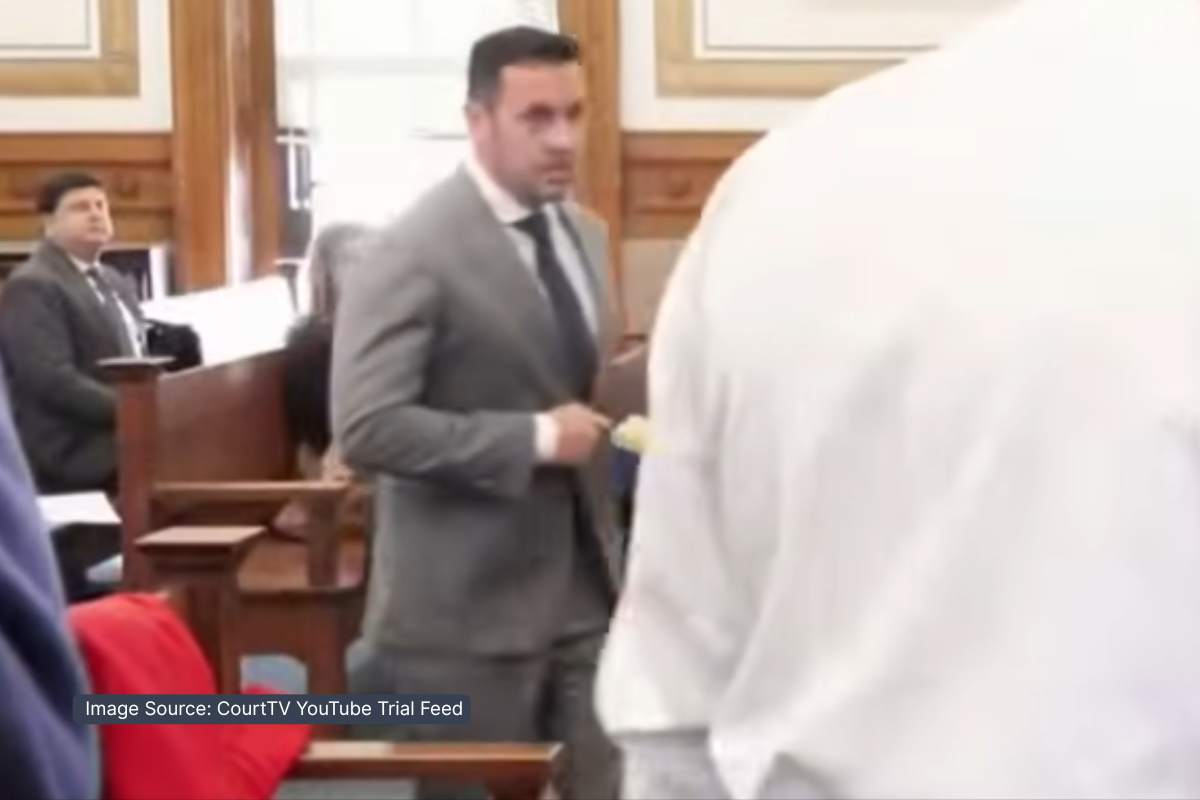
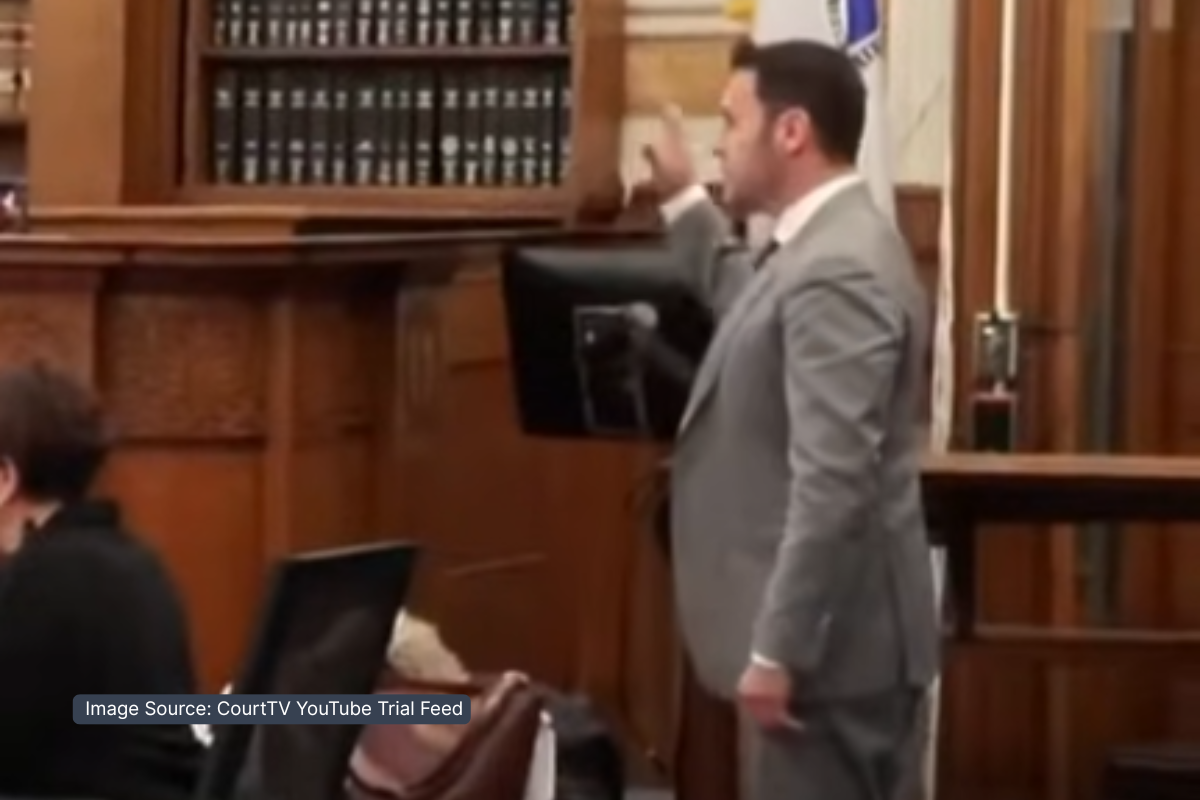
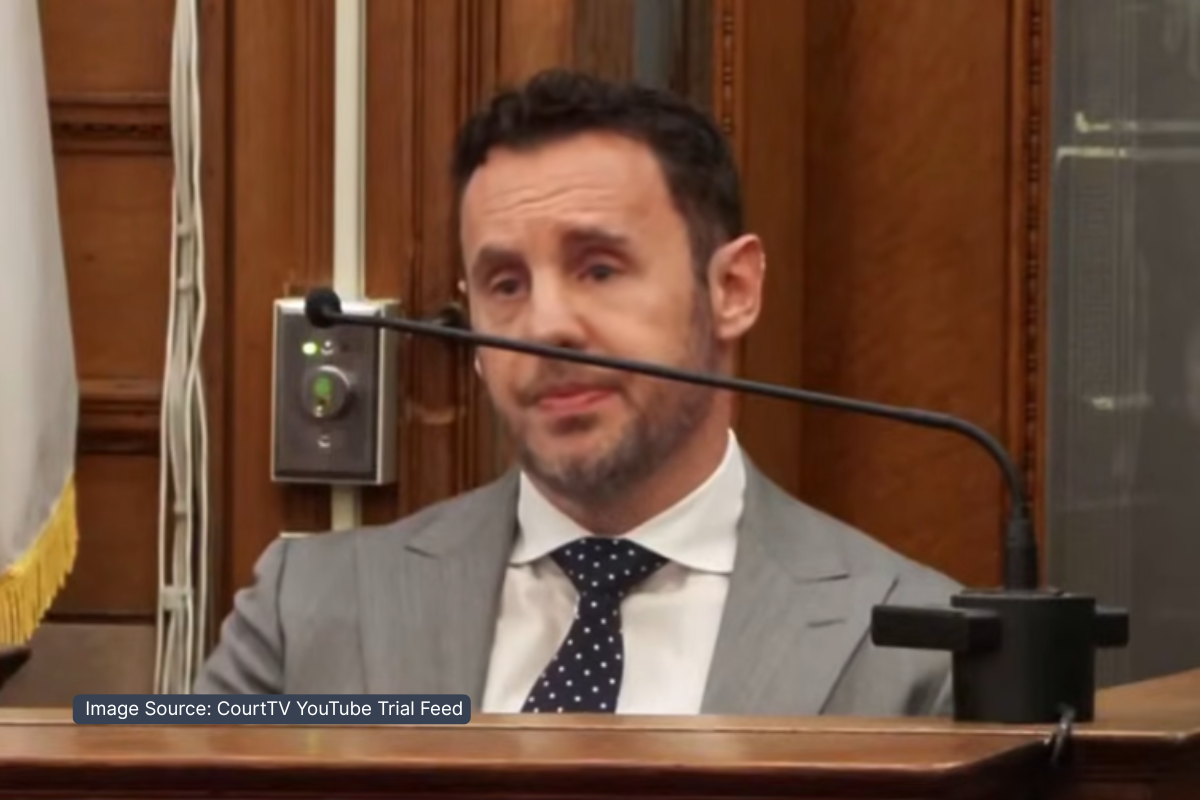
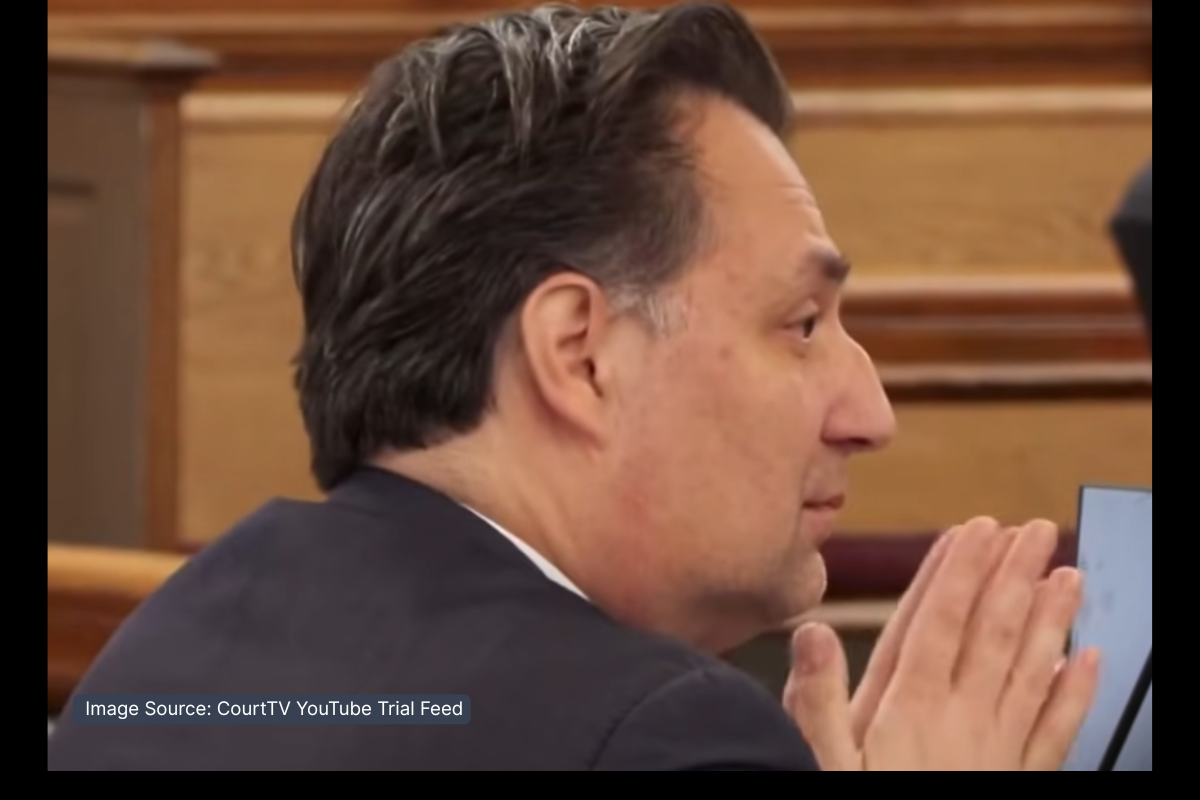
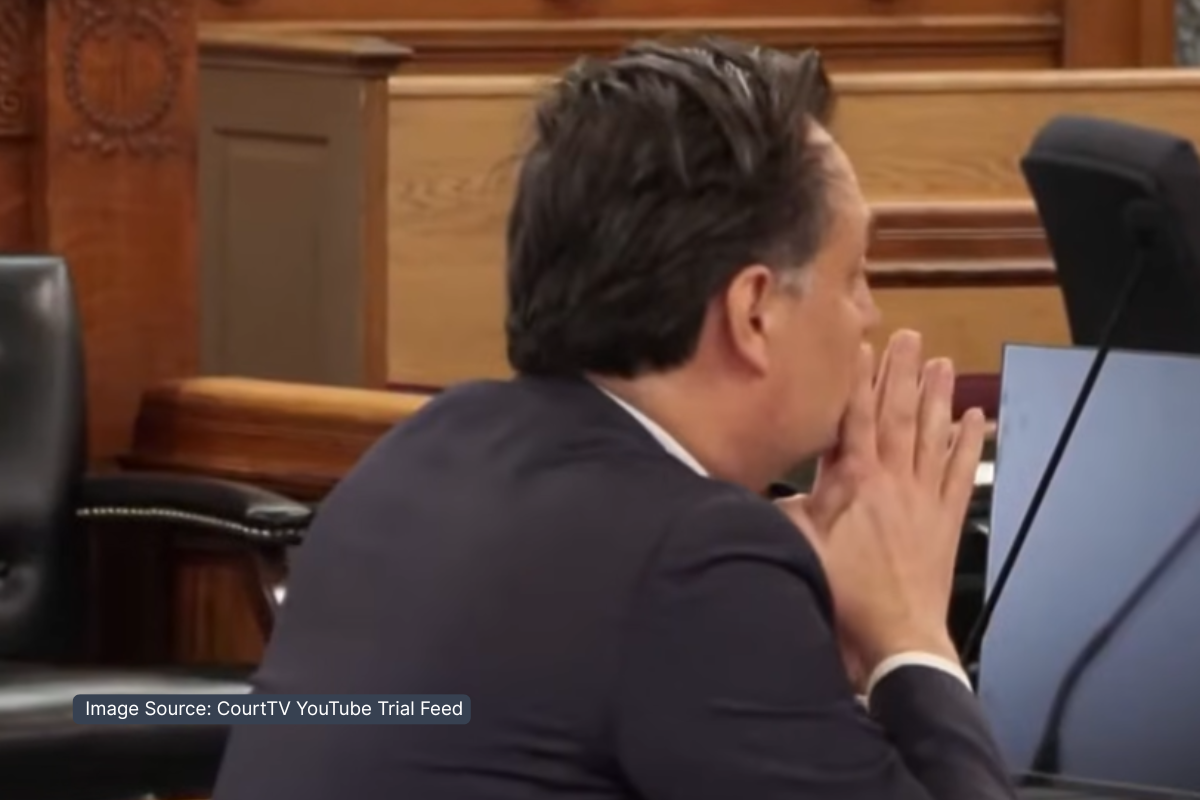
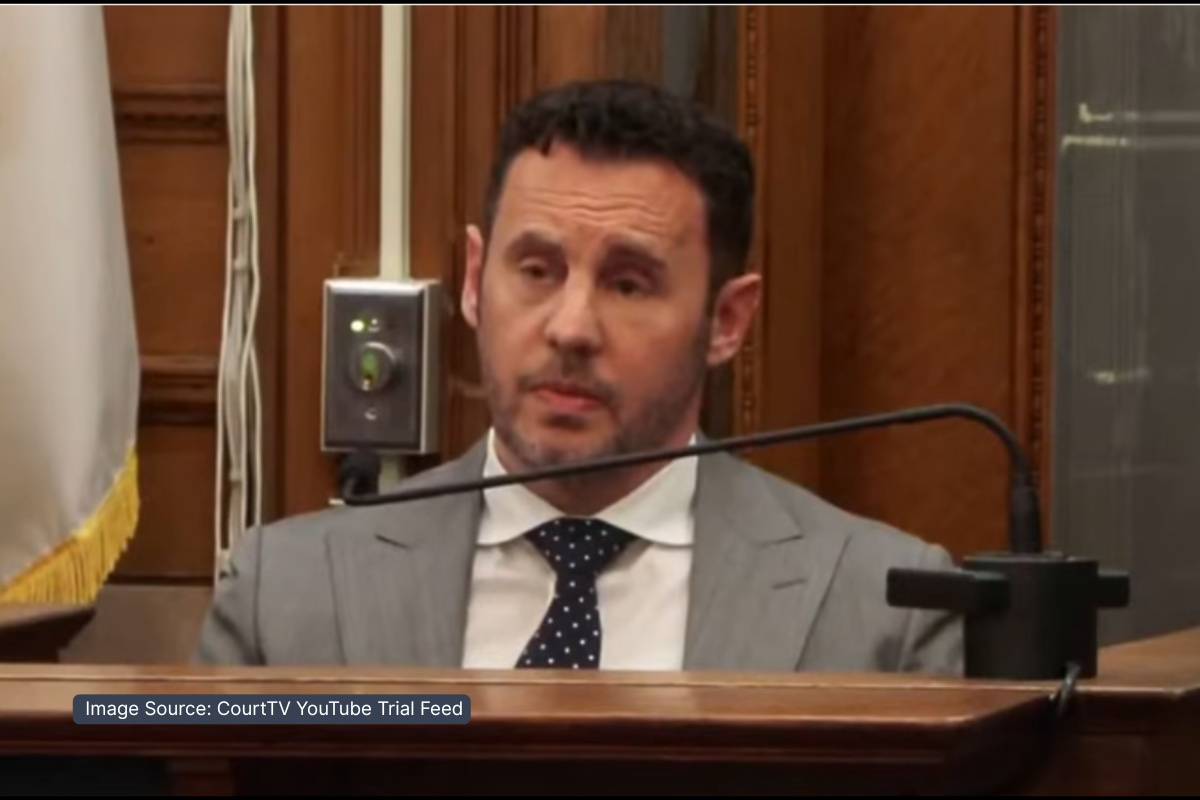
When the prosecution called William Fastow, Ana Walshe’s D.C. lover, they were clearly aiming to build a motive: a failing marriage, a wife emotionally checked out, a husband allegedly pushed to a breaking point. But by the time Fastow stepped off the stand, many trial watchers were asking a very different question:
Did this witness help the prosecution—or accidentally strengthen the defense?
If the prosecution was hoping for passion, fear, or evidence of an unraveling marriage… they got none of it. What they got instead was a man who sounded more like a casual companion than a catalyst for murder.
A Relationship That Looked More Casual Than Catastrophic
Fastow, a Washington real estate broker, first met Ana when he helped her purchase the family’s D.C. townhouse. Their relationship quickly evolved from professional → friendly → intimate. They saw each other several times a week, communicated daily, and spent holidays together—including Thanksgiving in Dublin and Christmas Eve at his D.C. home.
Yet despite the frequency, viewers noticed something immediately:
“He has the emotional range of a stapler.”
Fastow’s demeanor was flat, cool, and at times almost bored. If the jury expected a grieving lover, they didn’t get one. What they got was a man describing a relationship that felt pleasant, convenient, and walled off from the rest of his life—not a grand love affair threatening to blow up a marriage.
What Ana Told Him — and What She Didn’t
No abuse, no control, no fear of Brian
In a case where motive hinges on the idea that Ana wanted to leave her husband, Fastow offered the opposite picture. According to him:
Ana never described Brian as violent
Never said she was scared of him
Never indicated he was controlling or suspicious
Never suggested her marriage was on the verge of collapse
In fact, she spoke of Brian positively and wanted others—including Fastow—to see Brian “in the light she saw him.”
Her biggest stressor wasn’t her marriage—it was her children. She was emotionally distressed about being separated from her boys due to Brian’s federal case. Her sadness centered on motherhood, not marital dissatisfaction.
No Plan to Leave Brian — And a Powerful New Detail
This is where the prosecution’s motive really falters. Fastow testified multiple times that:
Ana had no concrete plan to leave Brian
She never said she intended to separate
She never set any timeline
She never suggested she was preparing to disclose the affair
She never told him she intended to “blow up” her marriage after the holidays
But the most striking detail was this:
Ana made it clear—repeatedly—that it would devastate her if Brian discovered the affair.
Fastow said this several times. She wanted Brian to hear it only from her someday, not from anyone else. The idea of him finding out accidentally was “deeply upsetting”. She feared what it would mean for her children and her integrity. It would “devastate” her emotionally if he discovered it prematurely.
This does not sound like a woman preparing to leave her husband. It sounds like a woman desperately managing two conflicting worlds—and terrified of them colliding.
No wonder social media lit up with comments like:
“This was the prosecution’s motive witness???”
“He just confirmed there was no motive for Brian.”
Christmas, New Year’s, and the Silence That Followed
Fastow’s last in-person contact with Ana was Christmas Eve and Christmas morning. She returned late to Massachusetts and told him she and Brian argued about it. That argument was clearly important to the prosecution.
Trial Watchers, however, were less impressed:
“People argue at Christmas. That’s not motive for murder.”
Ana’s final message to him was a simple Happy New Year text. After that, she went silent. Fastow tried calling and texting. He even called from a landline because he worried she might have blocked him. She didn’t answer.
If the prosecution hoped this was the passionate affair that would drive a man to murder, Fastow’s fear of being ghosted was a sobering reality check.
On January 4th, Brian called Fastow politely, saying Ana hadn’t shown up to work and asking if Fastow had heard from her. Calm, concerned, measured. Fastow checked the D.C. townhouse and found nothing unusual.
Nothing about that interaction suggested a man covering up a homicide.
How Fastow Played on the Stand: Detached and Deleting Messages
Viewers were quick to pounce on his courtroom demeanor. Many described him as:
Aloof
Unemotional
Self-protective
Mildly irritated to even be there
When he admitted to deleting intimate messages out of “embarrassment,” trial watchers rolled their eyes:
“He wanted the fun of the affair, not the responsibility.”
He also said he wasn’t ready to introduce another woman into his sons’ lives—which further undercut any notion of the affair being a life-changing relationship.
It is very difficult to see this relationship as something so substantial or threatening that Brian Walshe would kill his wife over it.
Did This Testimony Help the Prosecution? What They Wanted:
A story of a marriage crumbling, a wife emotionally gone, a husband desperate.
What they got was a witness who testified:
Ana still cared deeply about Brian
Ana was terrified of him finding out about the affair
Ana had no plan to leave
The affair was not intensifying—it was stalled
The marriage was not imploding
Brian was never violent, controlling, or abusive
There was no evidence Brian even suspected the affair
Fastow himself wasn’t preparing for a shared future
Public consensus?
“This helped the defense more than the prosecution.”
It’s hard to overstate how much this undermines the idea that Brian had a motive. If Ana wasn’t leaving, wasn’t preparing to leave, wasn’t afraid of him, and wasn’t pushing for a breakup—where does the motive come from?
A Motive That Falls Flat
Fastow’s testimony didn’t paint the picture prosecutors needed. Instead of establishing a motive rooted in jealousy or fear of abandonment, it suggested a marriage still intact—complicated, yes, but not crumbling.
The affair appears more casual than consequential. Ana was conflicted, still loyal to her family, still worried about her children, still protective of Brian’s feelings, and deeply afraid of the two sides of her life colliding.
In the end, the prosecution’s own witness may have handed the defense a powerful narrative:
If Ana wasn’t leaving Brian, why would he kill her?
Related Articles
Brian Walshe Trial Day 10 – Jury Instructions
Day 10 marked the transition from evidence to decision-making. With testimony complete, the court finalized jury instructions outside the presence of the jury, addressed minor but important edits, and then instructed jurors on the law governing the single charge they...
Brian Walshe Trial Day 10 | Closing Arguments
As the Brian Walshe trial moved into its final phase, the closing arguments distilled weeks of testimony into two sharply different narratives. The Commonwealth urged jurors to view the evidence as proof of a calculated, premeditated murder followed by deliberate...
Brian Walshe Trial Implodes Mid-Stream: The Defense Walks Off the Stage
The Commonwealth closed its case on December 10 after presenting a dense stack of forensic evidence, digital breadcrumbs, and witness testimony. But the real story unfolded immediately afterward — in the small procedural moments that signaled the trial was about to...