
Brian Walshe Trial Implodes Mid-Stream: The Defense Walks Off the Stage
Stunning Reversal: Brian Walshe Backs Out of Testifying as Defense Abruptly Rests
A Case That Shifted Overnight
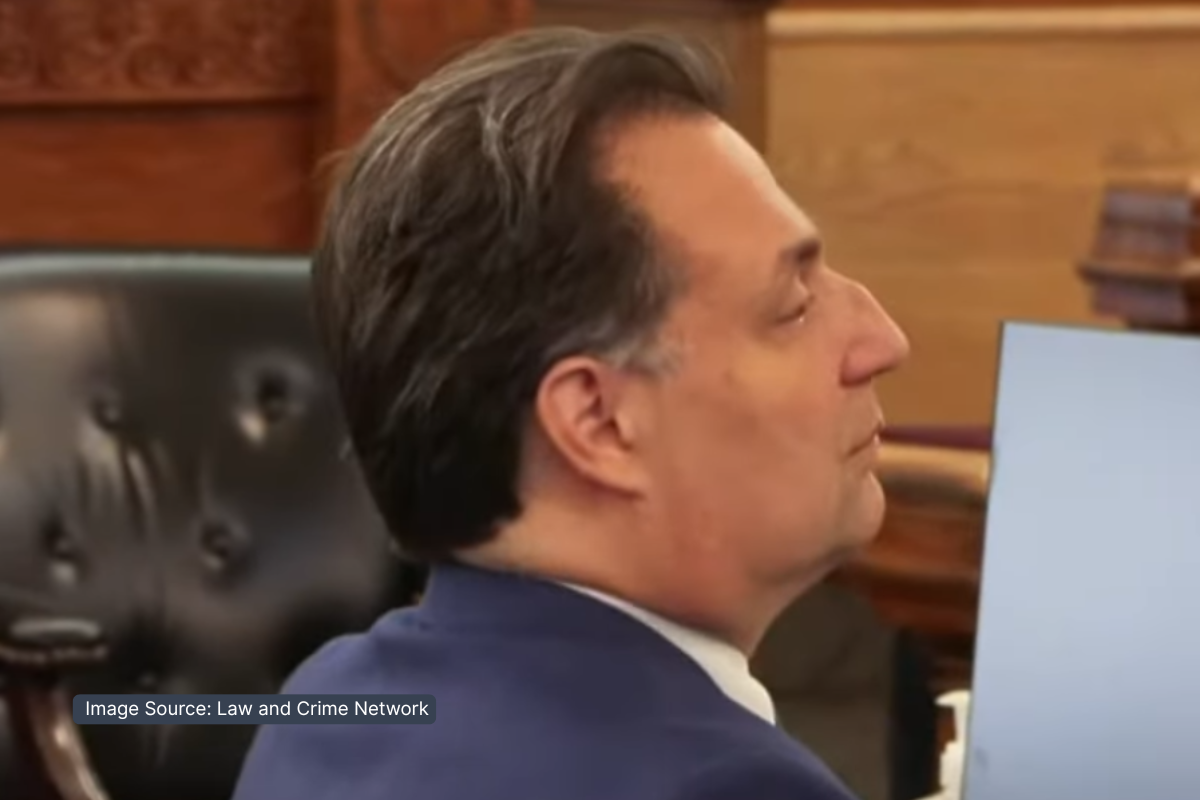
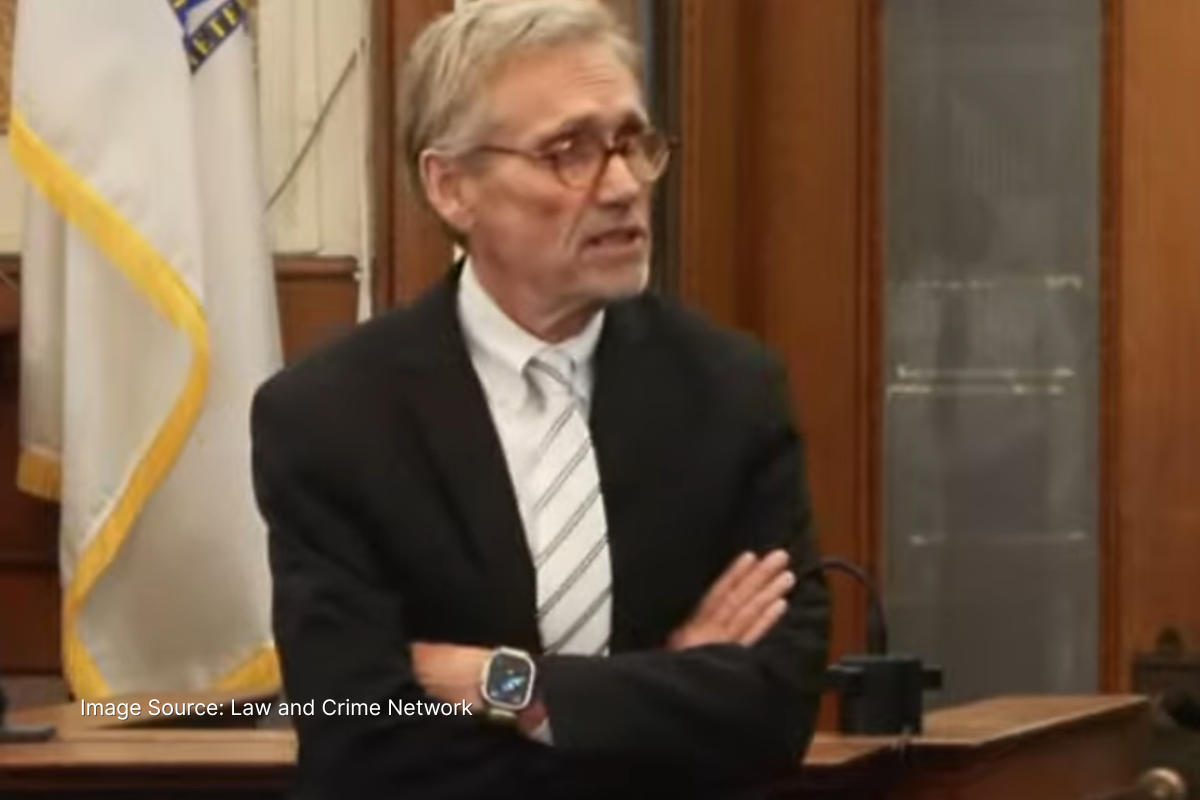
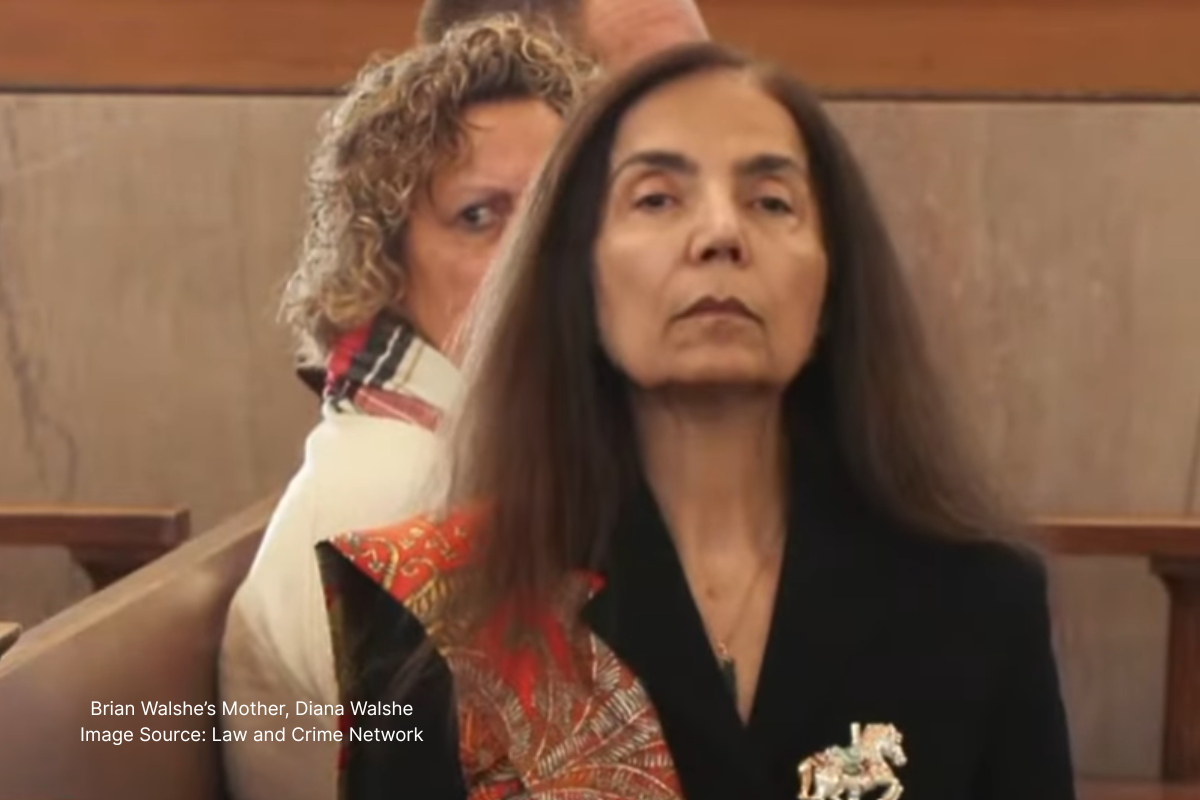
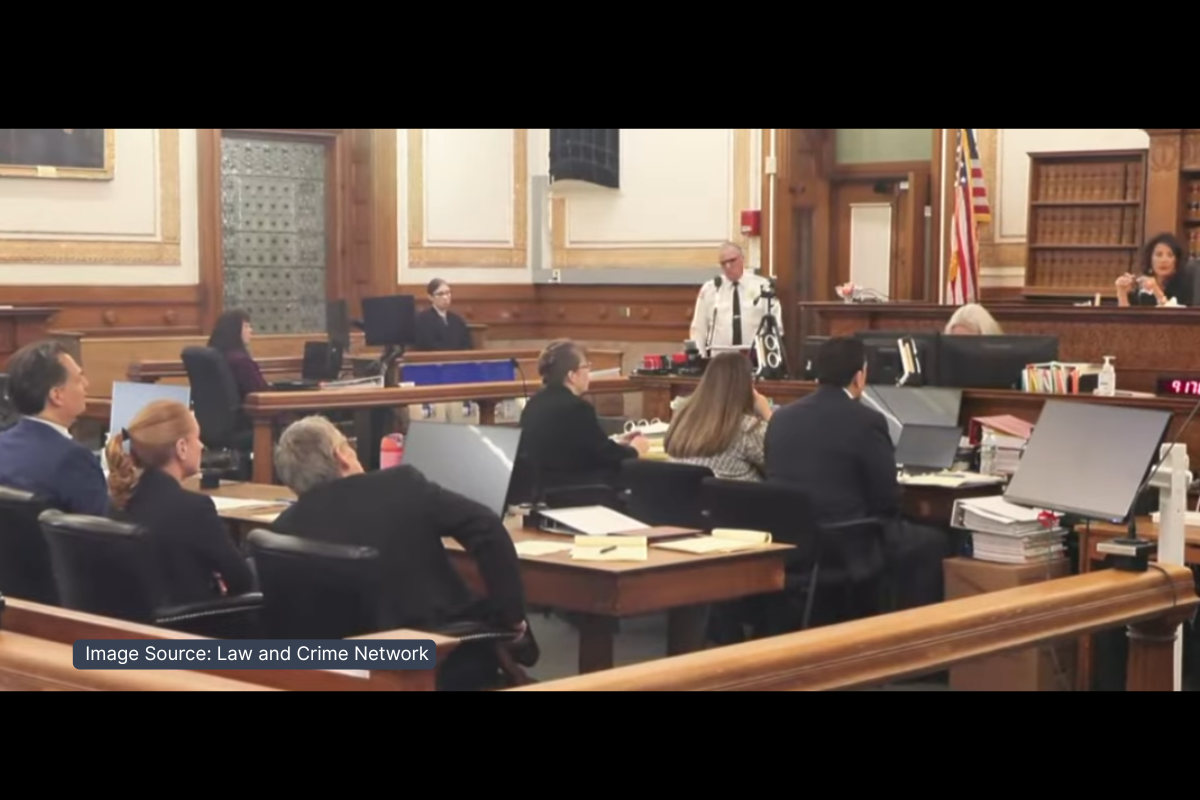
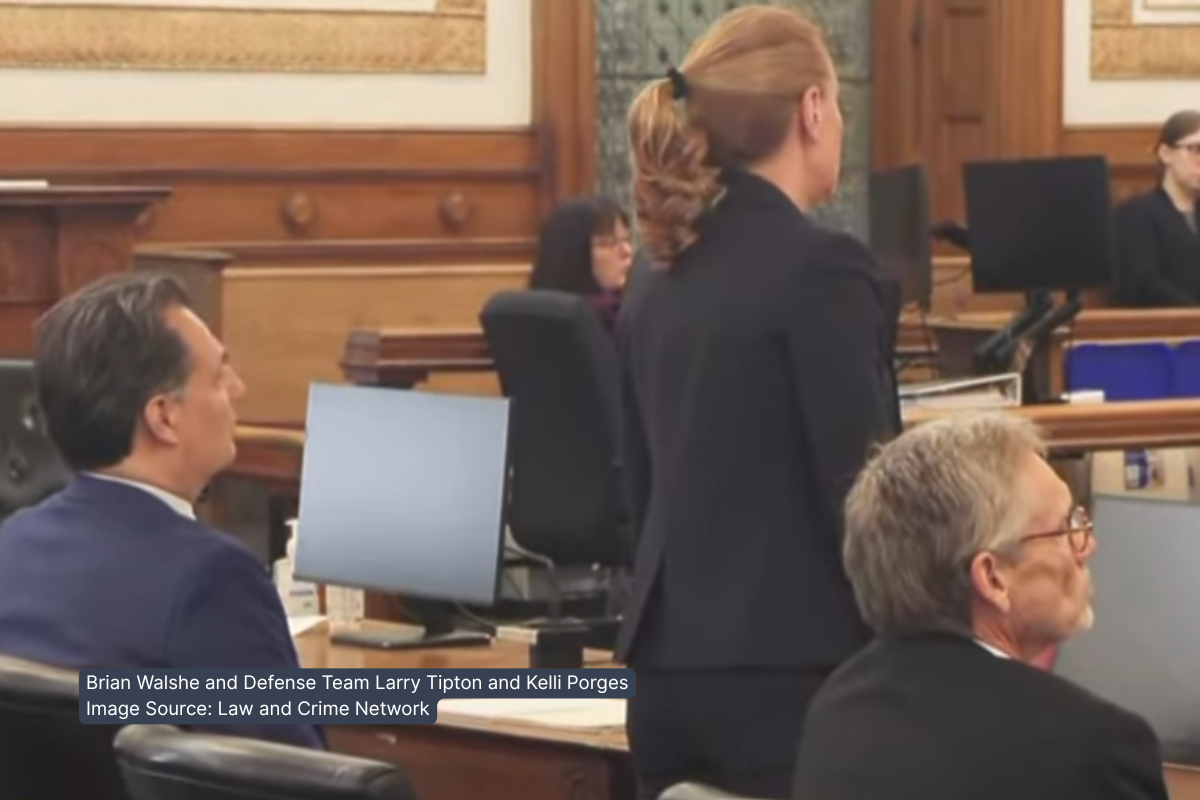
The Commonwealth closed its case on December 10 after presenting a dense stack of forensic evidence, digital breadcrumbs, and witness testimony. But the real story unfolded immediately afterward — in the small procedural moments that signaled the trial was about to veer into completely unexpected territory.
Below are the key events that closed out the prosecution’s case and set the stage for the defense’s shocking pivot the next morning. Here’s how it all went down.
Wednesday, the prosecution examined their last witness #48: Alissa Kirby, Ana Walshe’s Best Friend.
A Final Stipulation Before the Commonwealth Rested
Just before resting, the prosecution and defense entered a stipulation — an agreed-upon set of facts that the jury must accept as true — regarding Brian Walshe’s prior federal prosecution. It was straightforward, factual, and designed to avoid calling additional witnesses.
The stipulation established that:
Walshe was arraigned in federal court on May 11, 2018.
On April 1, 2021, he pleaded guilty to charges of wire fraud, transportation scheme to defraud, and conducting an unlawful monetary transaction.
A sentencing hearing occurred on October 6, 2021, during which Walshe sought probation.
The U.S. Attorney sought 30–37 months incarceration plus ~$475,000 restitution.
As of January 2023, he still had not been sentenced on these federal charges.
He was represented by counsel at all stages.
After the stipulation, the judge reminded the jury that the Commonwealth had now presented all the evidence it intended to offer and that the defendant had no obligation to present evidence at all.
But the real drama was just getting started.
The Defense Moves for a Required Finding of Not Guilty (Rule 25)
Immediately after the Commonwealth rested, the defense filed a motion for a required finding of not guilty — essentially asking the judge to dismiss the case on the grounds that the prosecution had failed to present sufficient evidence for the jury to even consider Murder 1.
This was the motion containing the five issues the judge later said she researched overnight, expecting the defense to proceed with its case.
Here are the five core arguments the defense made:
1. No Evidence of Premeditation
The defense argued that even taking every fact in the light most favorable to the Commonwealth, no evidence supports an inference of premeditation.
Circumstantial evidence is not enough, they said, to prove the specific mental state required for Murder 1.
2. No Evidence of Specific Intent to Kill
They maintained that nothing presented showed Walshe ever intended to kill Ana.
Suspicion and inferences aren’t enough — the law requires proof beyond a reasonable doubt.
3. Motive Theory #1 Not Supported: Financial Gain
The defense attacked the prosecution’s theory that Walshe killed Ana for financial reasons, arguing:
The evidence did not show meaningful financial motive
The evidence did not show that Walshe expected to benefit from her death.
4. Motive Theory #2 Not Supported: Avoiding Prison by Keeping the Children
The second motive theory — that Walshe feared losing the children to Ana’s DC move and thus feared federal prison — was called speculative:
No evidence showed he used the children as leverage.
No evidence showed fear of incarceration motivated him.
5. Motive Theory #3 Not Supported: The Affair
While the Commonwealth proved Ana was having an affair, the defense said:
There is no evidence Walshe knew about it.
He did not show jealousy or anger.
When Ana told him she had a crush on Mutloo, he reacted calmly.
Therefore the affair cannot be used to support premeditation or intent.
The Commonwealth’s Response
The prosecution fired back, listing a cascade of evidence pointing toward:
a violent death inside the home
deception and staged alibis
Google searches
cutting tools and cleaning products
motive linked to finances and loss of control
evidence Walshe did know about the Dublin trip and the affair
a digital footprint that they argue shows planning
Their position:
The evidence is overwhelmingly sufficient to send all charges — including premeditated murder — to the jury.
The Judge’s Ruling
Applying the Latimore standard, the judge ruled:
The evidence is sufficient for the jury to deliberate. The motion for required finding is DENIED.
This ended the day.
The judge dismissed the jury and instructed everyone to return at 9:00 AM the next morning — a day she clearly expected would begin the defense’s presentation of evidence.
Instead, the next morning brought one of the biggest twists of the trial.
A Defense Strategy That Pivoted Overnight
Going into Day 10, the defense had signaled that Brian Walshe would take the stand in his own defense. Then, in a stunning reversal, the defense announced Thursday morning that:
Brian Walshe will NOT testify.
The defense will NOT call any witnesses.
The defense is resting immediately.
The courtroom reaction said it all. Judge Freniere—visibly surprised—remarked that the “five things” she researched were now moot, signaling just how last-minute this pivot was.
Why the Sudden Change?
There’s only one real explanation:
The risk of putting Walshe on the stand outweighed any potential benefit.
Cross-examination would have been brutal, opening the door to:
Google searches
His lies to police
Cell phone and location data
Financial motives
Relationship strain
Post-mortem actions
There was no safe lane for him. The defense chose preservation over spectacle.
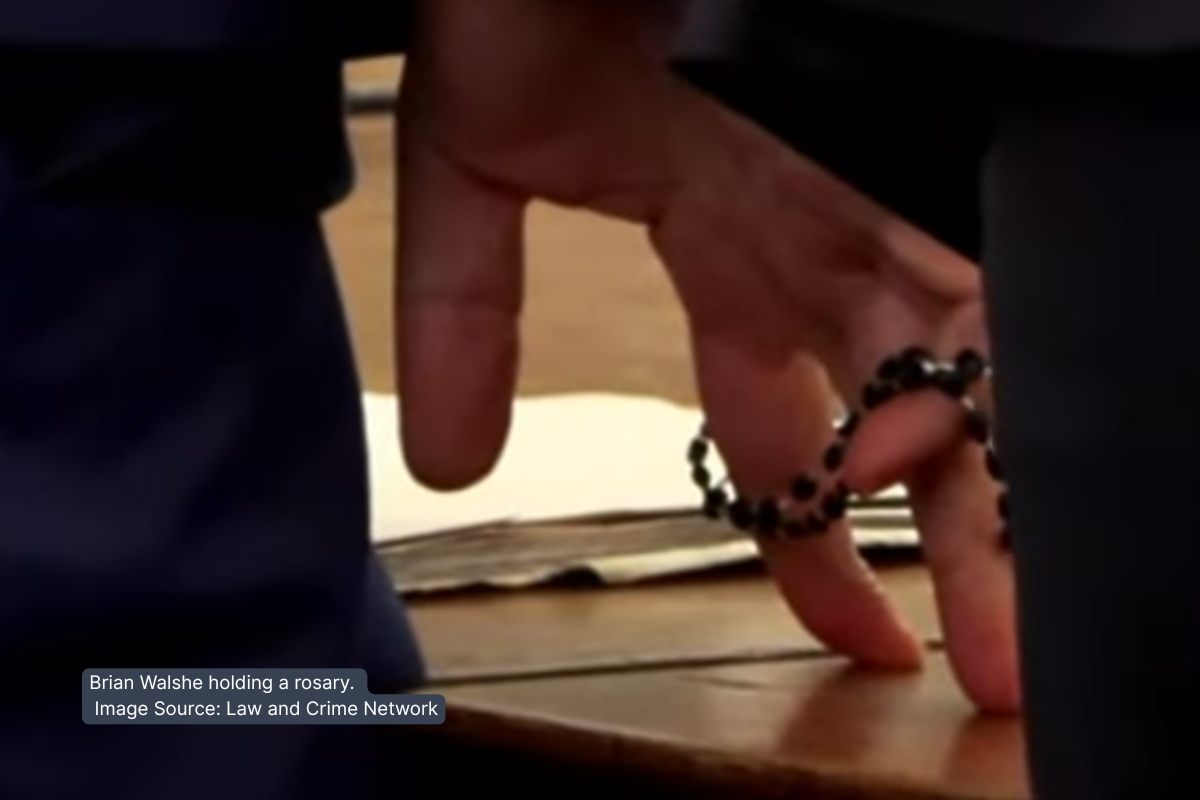
Brian Walshe Clutches a Rosary During Day 1 of Trial
Where the Case Stands Heading Into Closings
With the defense choosing not to present evidence, the jury will enter closings having heard only the Commonwealth’s narrative. The prosecution is expected to argue premeditated murder, relying heavily on digital searches, discarded bloody items, and the concealment efforts that followed.
The defense now appears to be aiming for a compromise verdict, emphasizing:
No body
No confirmed cause of death
No eyewitness
No murder weapon
Uncertainty around intent
In short:
They’re fighting to avoid Murder 1.
The Emotional Undercurrent
Despite the gruesome evidence, this remains a profoundly human tragedy. Two parents are gone: Ana killed, and Brian almost certainly headed to prison for life. Their children lose both. Cases like this don’t end with triumph—they end with loss.
What Comes Next
Closing arguments are scheduled for Friday, 45 minutes each, after which the court will deliver extensive jury instructions. Deliberations will begin once those instructions are complete, so a verdict could be Friday or early next week.
This mid-trial turn wasn’t expected. But trials have lives of their own—and this one just veered sharply toward its final chapter.
Related Articles
Brian Walshe Trial Day 10 – Jury Instructions
Day 10 marked the transition from evidence to decision-making. With testimony complete, the court finalized jury instructions outside the presence of the jury, addressed minor but important edits, and then instructed jurors on the law governing the single charge they...
Brian Walshe Trial Day 10 | Closing Arguments
As the Brian Walshe trial moved into its final phase, the closing arguments distilled weeks of testimony into two sharply different narratives. The Commonwealth urged jurors to view the evidence as proof of a calculated, premeditated murder followed by deliberate...
Brian Walshe Trial Day 4 – Ana’s Affair: William Fastow Testimony
When the prosecution called William Fastow, Ana Walshe’s D.C. lover, they were clearly aiming to build a motive: a failing marriage, a wife emotionally checked out, a husband allegedly pushed to a breaking point. But by the time Fastow stepped off the stand, many...