
Neo Langston Arrested for Failure to Appear as LA Witness
Could Langston Arrest Signal Grand Jury Action in the Celeste Rivas Hernandez Case?”
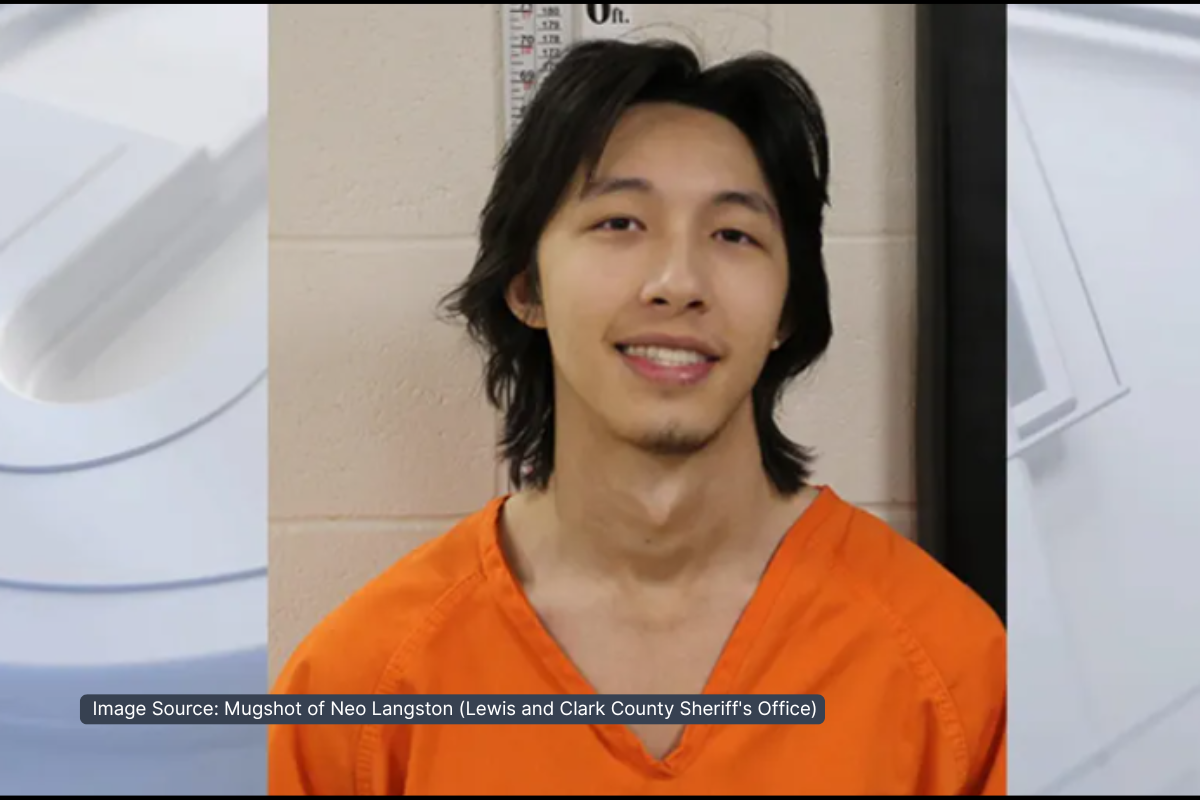
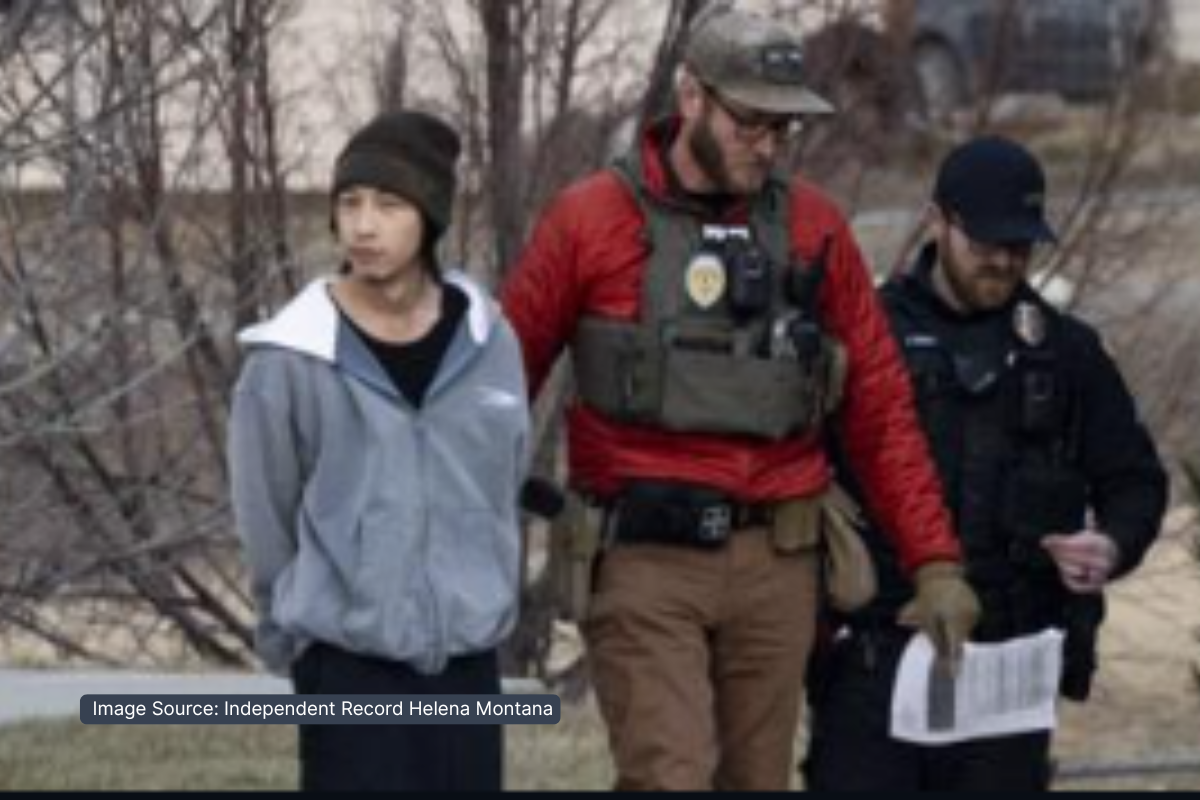
Neo Langston was arrested in Montana this week on a Los Angeles Superior Court warrant for failure to appear as a witness, according to Lewis and Clark County Jail records. Montana authorities confirmed they were assisting the Los Angeles Police Department’s Robbery-Homicide Division in executing the warrant. Langston was extradited to California on Saturday, January 24.
At this time, authorities have not publicly confirmed that Langston’s arrest is directly connected to the death investigation of Celeste Rivas Hernandez. Court records related to grand jury proceedings are sealed, and no charging documents referencing the underlying matter have been released. However, the involvement of LAPD’s Robbery-Homicide Division and the nature of the warrant have drawn significant attention—particularly given longstanding public interest in the Hernandez case.
The lack of official confirmation does not diminish the significance of the arrest itself. In fact, arrests for failure to appear as a grand jury witness are relatively rare—and when they happen, they often signal a meaningful escalation behind the scenes.
Langston was extradited to California quickly and held briefly at LAPD’s Metropolitan Detention Center before bonding out. The bond was set at 60K. The use of LAPD custody—rather than county jail—suggests a coordinated investigative process rather than a routine detention. Bond following extradition does not resolve the underlying grand jury obligation and often reflects prosecutorial confidence that compliance can be compelled without continued custody.
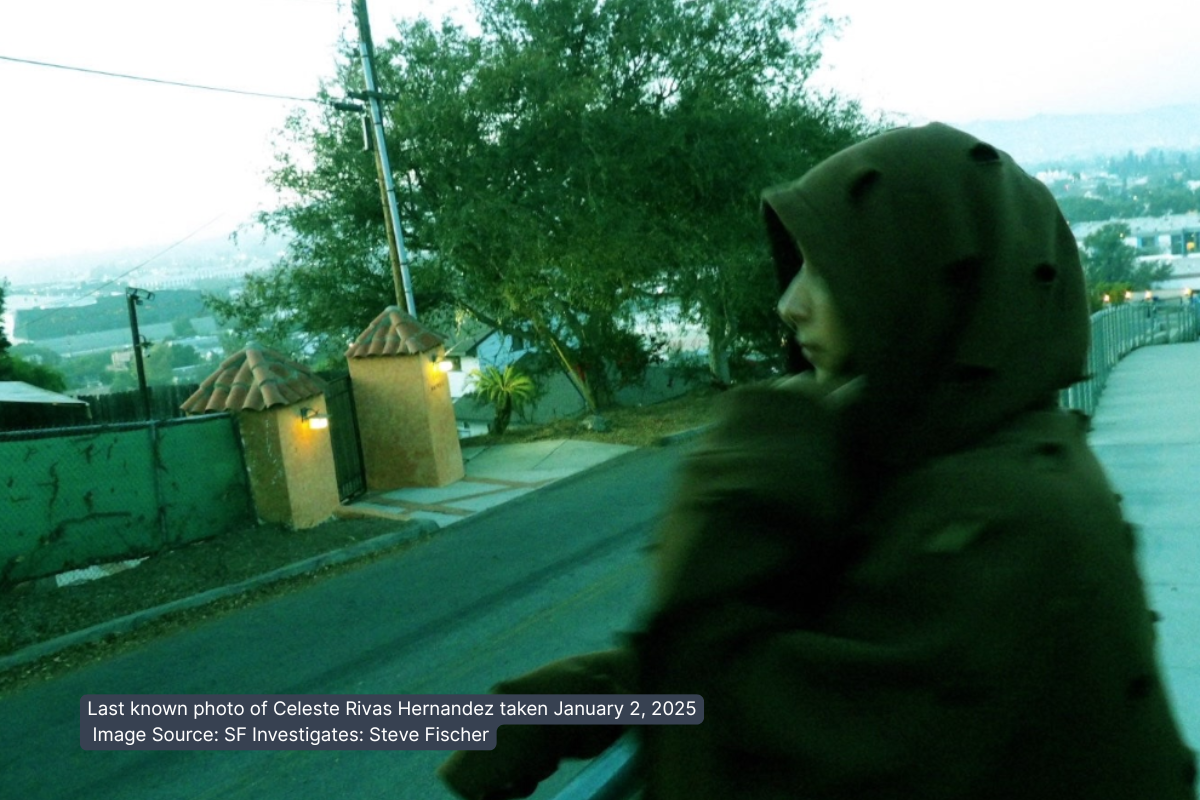
A Case Marked by Silence—and Growing Frustration
The case centers on the death of Celeste Rivas Hernandez, whose body was discovered in September 2025 inside a Tesla associated with entertainer David Anthony Burke (aka D4vd).
According to reports, Hernandez’s body was found in the front trunk (“frunk”) of the Tesla after the vehicle was abandoned on a residential street near a home that Burke was renting at the time. The Tesla was subsequently towed from the location and secured at an impound facility, where law enforcement began processing the vehicle.
Authorities have not publicly released detailed forensic findings related to the discovery, and much of the investigation has unfolded outside public court filings.
That silence has fueled frustration, speculation, and misinformation. But it has also suggested something else: that prosecutors may be pursuing accountability through grand jury proceedings rather than public court actions.
The arrest of a subpoenaed witness, even absent formal charges, represents one of the first visible indications that prosecutors are no longer waiting passively.
Arresting a Witness Is a Big Deal!
When a witness ignores a grand jury subpoena, prosecutors have several options. They can request extensions. They can negotiate through counsel. Or, when the testimony is deemed essential, they can escalate.
That escalation takes a very specific form:
Prosecutors file a motion for contempt.
A judge reviews the noncompliance.
A bench warrant is issued.
Law enforcement is authorized to arrest the witness.
The grand jury itself does not issue warrants. This is a prosecutorial decision approved by a judge.
In this case, that escalation crossed state lines—an important detail. Extradition is not symbolic. It requires resources, coordination, and judicial authorization. Prosecutors do not pursue it unless the witness is considered material to an ongoing investigation.
Shop Our Merch!
Only Trial Junkies and True Crime Addicts will understand this merch: Courtroom Chaos, Media Frenzy, Forensic and LEO Series available in tees, hoodies, caps, totes, and mugs. Check them out!

Investigative vs. Charging Grand Juries
Public confusion often stems from a misunderstanding of how grand juries function.
An investigative grand jury exists to gather facts. It subpoenas witnesses, compels testimony under oath, reviews documents, surveillance, and digital evidence, and allows prosecutors to test timelines and credibility
A charging (or indicting) grand jury, by contrast, is presented with a nearly complete case and asked only whether probable cause exists to file charges.
Witness subpoenas and contempt arrests overwhelmingly occur during the investigative phase. This suggests prosecutors are still solidifying testimony—not hesitating.
Why Prosecutors Pressure Witnesses Before Filing Charges
Contrary to public intuition, prosecutors rarely begin by arresting the person most suspected of responsibility.
Instead, they work from the outside inward, lock in testimony from associates and intermediaries, corroborate digital and physical evidence, and reduce uncertainty before charging decisions are made. This strategy protects eventual indictments from constitutional challenges and appeal vulnerabilities.
In other words, this is sequencing—not delay.
Shop Our Merch
Only Trial Junkies and True Crime Addicts will understand this merch: Courtroom Chaos, Media Frenzy, Forensic and LEO Series available in tees, hoodies, caps, totes, and mugs. Check them out!
Primary Targets Are Rarely Called to the Grand Jury
If prosecutors are building a case against David Anthony Burke, it would be highly unusual for him to be subpoenaed to testify before a grand jury. Targets almost always invoke the Fifth Amendment. Calling them offers prosecutors little benefit and significant risk, including claims of coercion or improper procedure.
Grand juries are designed to hear from everyone else. They talk around the suspect—not to the suspect.
Immunity, Contempt, and the Myth of “Just Tell the Truth”
Witnesses often believe silence is safer than cooperation. In reality, silence can narrow options quickly.
Prosecutors may seek use or derivative-use immunity, which prevents a witness’s testimony from being used against them, does not protect lies, and does not cover crimes outside the immunity’s scope.
Once immunity is granted, refusal to testify can result in contempt of court—including jail time that lasts until the witness complies or the grand jury term expires. Immunity is not a free pass. It is a controlled tool used to extract truth while preserving prosecutorial options.
This Arrest Signals Momentum—Not Stagnation
Even without public confirmation of the grand jury’s focus, several things are now clear:
Prosecutors sought judicial enforcement.
A judge approved the warrant.
Law enforcement executed an interstate arrest.
A previously silent phase has shifted into compulsion.
This is not the posture of a stalled investigation. It is the posture of one entering its pressure phase.
While the presence of a body in a suspect’s vehicle is legally considered circumstantial evidence, it is also highly probative. The distinction is not about strength but about structure—prosecutors must still establish control, timing, and intent. In cases like this, witness testimony often provides the connective tissue that turns strong circumstantial evidence into a chargeable, trial-ready case.
What This Arrest Actually Tells Us
This was not the arrest many observers were waiting for. But it may be the arrest that makes future charges possible.
When prosecutors begin forcing witnesses to the table—rather than waiting for cooperation—the case is no longer dormant. It is moving, deliberately and methodically, toward resolution.
Silence, in this context, should not be mistaken for inaction.
Shop Our Merch
Only Trial Junkies and True Crime Addicts will understand this merch: Courtroom Chaos, Media Frenzy, Forensic and LEO Series available in tees, hoodies, caps, totes, and mugs. Check them out!
Related Articles
Death Row Inmate Christa Pike Survives Two Rounds of Lethal Injection in Tennessee
NASHVILLE, TN - Christa Gail Pike, 50, survived an attempted execution by lethal injection at Tennessee's Riverbend Maximum Security Institution on September 30, 2026, after reportedly receiving two rounds of pentobarbital. Following an extended procedure during which...
Letecia Stauch Conviction Reversed—Appeals Court Says the Trial Wasn’t Fair
A single juror just unraveled one of the most disturbing convictions in recent memory. The conviction of Letecia Stauch—found guilty in April 2023 of murdering her 11-year-old stepson, Gannon Stauch—has been reversed. Not because of new evidence. Not because she was...
Luigi Mangione Death Penalty Dropped, Reshaping Prosecution Strategy
A judge has removed the death penalty as a sentencing option in the case against Luigi Mangione, delivering a major win for the defense and significantly narrowing the scope of the prosecution. The ruling eliminates the most severe potential punishment Mangione faced...