
Luigi Mangione Death Penalty Dropped, Reshaping Prosecution Strategy
Ruling removes capital exposure and raises questions about continued federal involvement.
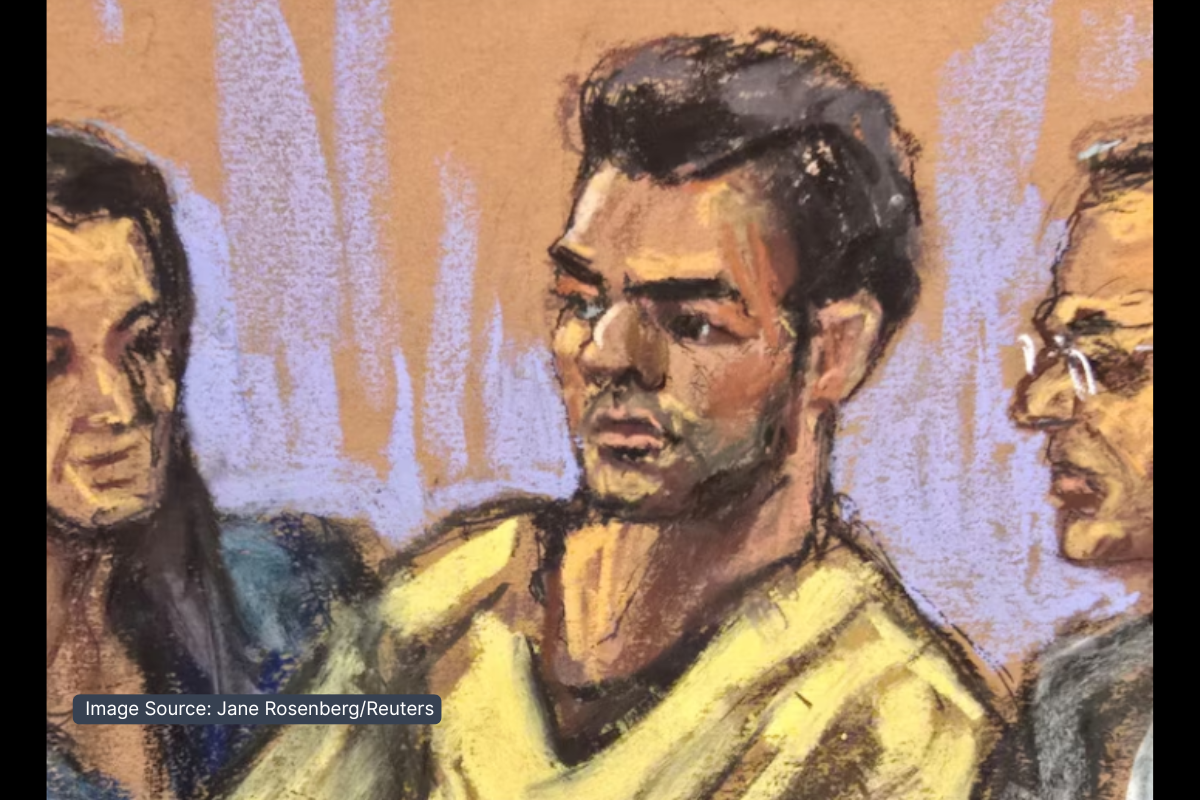
A judge has removed the death penalty as a sentencing option in the case against Luigi Mangione, delivering a major win for the defense and significantly narrowing the scope of the prosecution.
The ruling eliminates the most severe potential punishment Mangione faced and fundamentally alters how the case will proceed in both federal and state court. While the decision does not address guilt or innocence, it sharply reduces prosecutorial leverage and resets the legal landscape.
Mangione is accused in the killing of UnitedHealthcare CEO Brian Thompson, a case that initially drew both federal and state charges. Prosecutors pursued parallel indictments under differing legal theories, including terrorism-related counts at the state level and a capital-eligible murder charge federally. Over the past several months, however, those theories have steadily narrowed as courts dismissed the most severe charges, leaving a streamlined state homicide case and a reduced federal prosecution focused on stalking allegations.
Where The Charges Stand Now
The posture of the case has shifted substantially across jurisdictions.
On the federal side, U.S. District Judge Margaret Garnett dismissed the federal murder charge against Mangione, along with a related firearm offense. Those counts were the only charges in any jurisdiction that could have supported a possible death sentence.
Judge Garnett ruled that the remaining federal stalking charges do not qualify as “crimes of violence,” undermining the government’s theory tying those counts to capital exposure. Mangione still faces two federal stalking charges, each carrying a statutory maximum sentence of life in prison without parole. However, no murder charge remains pending in the federal case.
At the state level in New York, the case has narrowed as well. Last fall, the judge dismissed the top two charges in the original state indictment—both terror-related murder counts. The remaining state charge is second-degree murder, which carries a potential sentence of 25 years to life.
The State’s terror-related murder counts were not sentencing enhancements but separate statutory charges that would have elevated the offense into New York’s highest murder category; once dismissed, the case reverted to second-degree murder.
As a result, Mangione no longer faces any capital charges in either jurisdiction.
Shop Our Merch!
Only Trial Junkies and True Crime Addicts will understand this merch: Courtroom Chaos, Media Frenzy, Forensic and LEO Series available in tees, hoodies, caps, totes, and mugs. Check them out!
Backpack Search Rulings Diverge Between Courts

Judge Garnett has also ruled on a key evidentiary issue in the federal case, allowing the search of Mangione’s backpack and permitting any evidence obtained from that search to be used federally if the case proceeds.
However, the same issue remains unresolved in the New York state case. A ruling on the legality of the backpack search under state law is still pending, with a decision expected in May. That leaves open the possibility that evidence admissible in federal court could ultimately be excluded at the state level.
The differing rulings highlight the increasingly divergent paths of the federal and state prosecutions.
Implications For The Federal Case
With the death penalty removed and the federal murder charge dismissed, questions now arise about the necessity of continued federal involvement. The remaining federal counts focus solely on stalking, while the core homicide charge is proceeding at the state level.
Absent capital exposure, the federal case no longer carries a distinct sentencing interest that clearly separates it from the state prosecution. That raises the possibility that the federal government may reassess whether parallel proceedings remain warranted.
Although the murder charge has been dismissed, the federal government may appeal the ruling. Observers note that an appeal by Attorney General Pam Bondi’s office could be pursued as a matter of institutional posture or public signaling, rather than because of a strong probability of success.
Shop Our Merch
Only Trial Junkies and True Crime Addicts will understand this merch: Courtroom Chaos, Media Frenzy, Forensic and LEO Series available in tees, hoodies, caps, totes, and mugs. Check them out!
Shop Our Merch
Only Trial Junkies and True Crime Addicts will understand this merch: Courtroom Chaos, Media Frenzy, Forensic and LEO Series available in tees, hoodies, caps, totes, and mugs. Check them out!
What comes next
If the federal case moves forward, trial is currently expected in October. However, the scope and posture of that prosecution remain uncertain in light of the court’s recent rulings.
For now, the removal of the death penalty stands as the most consequential development in the case—one that not only reshapes sentencing exposure, but also calls into question the continued role of the federal government as the case advances.
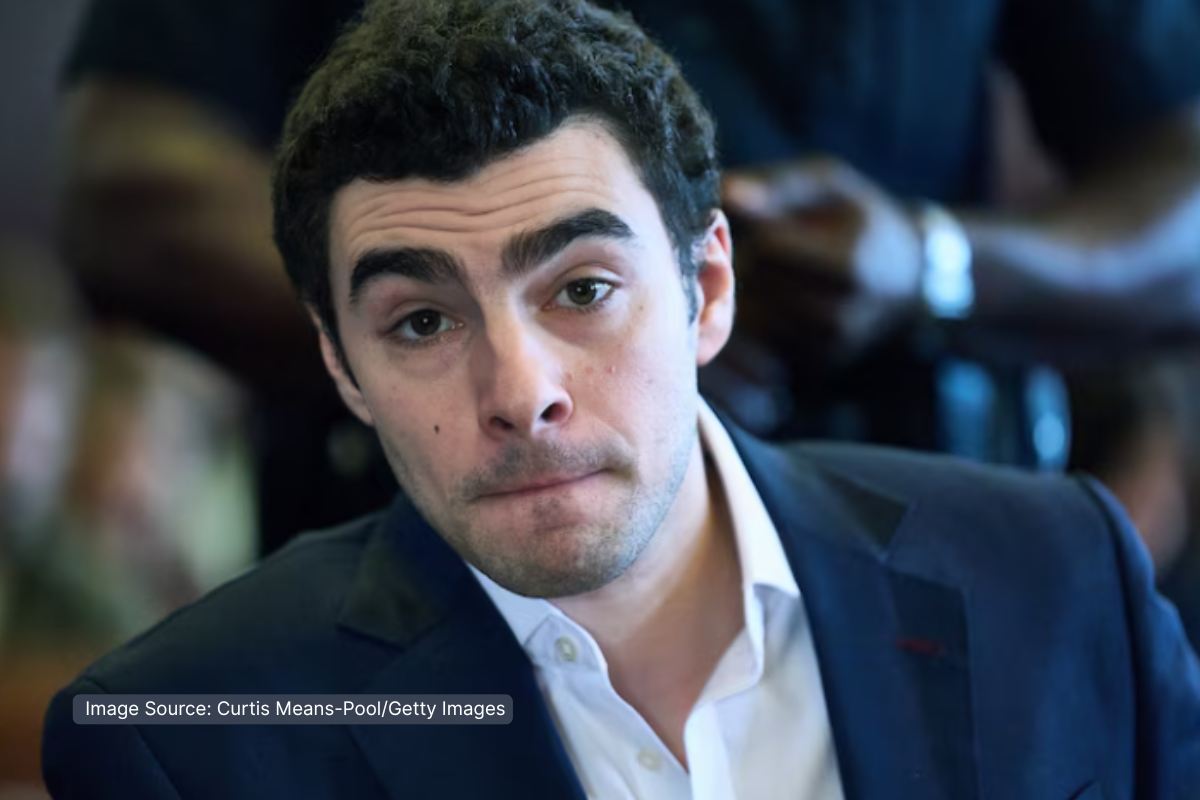
Failed Jail Break Attempt Adds Bizarre Footnote to the Case
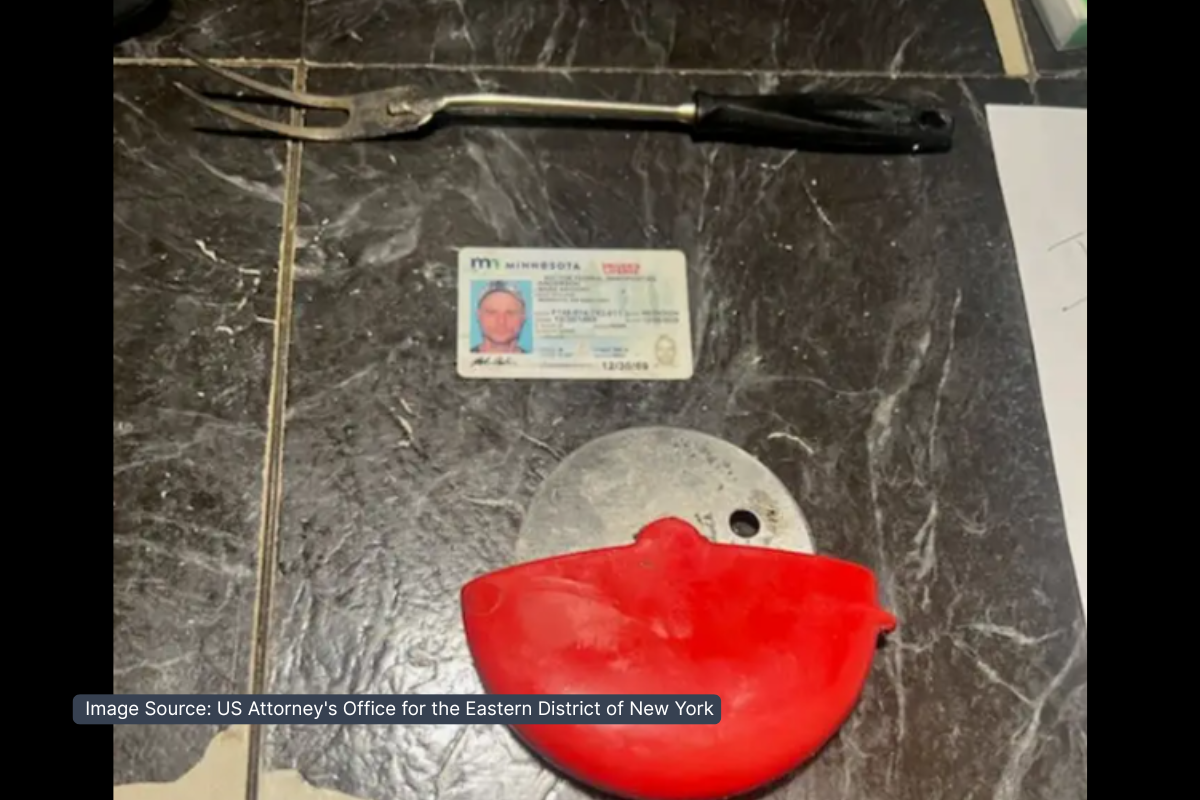
In a separate and unusual incident related to the Mangione case, a Minnesota man was arrested after allegedly arriving at the Metropolitan Detention Center in Brooklyn on January 28 claiming to be an FBI agent with a court order to release Mangione.
Federal prosecutors identified the man as 36-year-old Mark Anderson, who told Bureau of Prisons officers he was authorized to free an inmate and presented only a Minnesota driver’s license when asked for credentials.
A search of his bag turned up a barbecue fork and a circular blade resembling a pizza cutter, which he claimed were weapons.
Anderson was charged with impersonating a federal officer and was ordered held without bail. Authorities have not found any legitimate connection between him and Mangione, and the Metropolitan Detention Center’s operations were not disrupted by the incident.
Related Articles
Luigi Mangione Defense Signals—Then Withdraws—Extreme Emotional Disturbance Strategy
The defense strategy in the state murder prosecution against Luigi Mangione took an unexpected turn last week, offering the public its first significant glimpse into how attorneys may intend to defend one of the most closely watched criminal cases in the country....
What to Expect as the Luigi Mangione Trial Approaches
As the trial of Luigi Mangione approaches, one question continues to surface: What exactly is the defense going to argue? Because so far, there’s no dramatic declaration of innocence. No sweeping claim of mistaken identity. No “wrong man” narrative taking center...
Judge Garnett Warns DOJ: Public Comments May Violate Court Rules in Mangione Case
New York, September 24, 2025 — In a scathing order issued today, U.S. District Judge Margaret M. Garnett ruled that officials at the Department of Justice may have breached court rules by making public statements about Luigi Mangione’s case — statements that defense...