
Brian Walshe Pretrial Hearing – Nov. 17, 2025: Critical Legal Crossroads
Motions, Rulings, and What They Mean for the Upcoming Trial
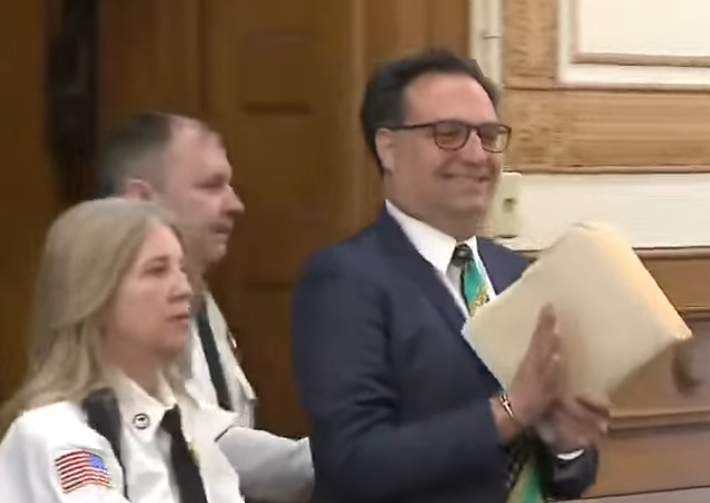
Below is an ordered roadmap of the hearing. Click on each topic for details.
I. Pre-Hearing Logistics & Pre-Trial Motions
1. Zoom-Only Streaming Platform
Impact: Reduces risk of disruptions; the judge is tightly controlling media presence.
2. Motion to Prevent Juror Exposure to Demonstrators / Influence
Impact: Judge is being proactive about jury integrity, but no current threat.
3. Supplemental Juror Questionnaire
Jurors will fill out questionnaires privately and hand them directly to the judge.
They will be warned not to use social media or consume news for the entire trial.
Impact: This judge is laser-focused on neutralizing outside influence — great for ensuring a clean jury, but also signals she knows this case is high-profile.
4. Jury Selection Procedure
Whisper technology for strikes (to avoid jurors overhearing).
Empaneling will happen in her courtroom.
Impact:
She’s keeping control of the environment. Also means voir dire will be slower and more thorough.
5. Preliminary Jury Instructions
Defense objected to some; will argue later.
6. Reciprocal Discovery
Impact: Walshe’s team must reveal more of their hand. Judge is ensuring no trial surprises.
II. Motions in Limine (The Big Stuff)
These are the rulings that directly shape what the jury will see and hear.
A. Commonwealth Motions
#1 Jury Laptop for Reviewing Electronic Evidence
Impact: Ensures jury can review digital exhibits like searches, messages, video.
#2 Requiring Defense to Disclose Visual Aids for Opening
Judge’s reasoning: “If you hold up a chart in front of 16 jurors, I need to see it first.”
Impact: This is major. The defense loses the element of surprise.
Prosecution gets to see their opening chalks in advance.
Shows judge is risk-averse; she will not allow theatrics or manipulation.
#3 Notice of Third-Party Culprit Evidence
Impact: Defense may try implying someone else killed Anna — but must pass strict evidentiary thresholds.
#4 & #7 – Bad Character / Reputation Evidence
Judge’s ruling: Observations of Anna with her children are allowed (limited, not emotional floodgates).
No specific “acts” of being a great mother; only general observations.
Defense can object during testimony.
Statements suggesting she was a loving, devoted mother will be allowed — within limits.
Impact: This subtly helps the prosecution, because it paints Anna as someone unlikely to voluntarily vanish.
#5 – In-Court Identifications
Impact: Simple formality — witnesses can identify Walshe in the courtroom.
#6 – Precluding Attacks on Police Irrelevant Conduct
Impact: Limits a common defense strategy: “sloppy investigation.”
They must get permission before accusing officers of misconduct.
#8 – Admitting Photos of Digital Devices (Instead of Devices)
Impact: Jury sees images of devices instead of bulky hardware.
#9 – Admitting Walshe’s Police Interviews
Impact: This is massive.
These interviews could be hugely damaging for Walshe… or softened, depending on edits.
Judge shows caution — wants more briefing.
#10 – NCIC Missing Person Form
Impact: Shows how Anna was reported missing.
#11 – Photos & Short Video Showing Anna “as She Appeared”
Screenshots allowed.
Photos allowed only in limited number and “autopsy photo” rule applies — minimal, non-emotional, cropped if necessary.
Impact: This is a big win for the defense. She is shutting down emotional manipulation.
#12 – Introducing Federal Case Information (Motive)
Jurors may hear that Walshe had restrictions due to federal case.
BUT they may not hear that he was on electronic monitoring, GPS, or details that imply dangerousness.
Judge wants a stipulation.
Impact: Prosecution will be allowed to argue motive (i.e., federal sentencing pressure) — but judge is limiting prejudice dramatically.
#13 – Victim’s State of Mind Statements (Kirby, Mutlu, Fastow)
Statements showing Anna’s state of mind are admissible.
Statements used to show Walshe had motive are admissible.
Statements describing his bad acts are admissible only with limiting instruction.
Statements about the affair are allowed — EXCEPT:
Her claim that she “didn’t know what Brian would do if he found out” is OUT (too prejudicial).
Mutlu’s testimony must be cleaned up: only statements Anna told him directly.
Doctrine of “verbal completeness” means defense gets to bring in balancing statements (e.g., “She wanted the family together”).
Impact: This is one of the most important rulings in the entire hearing.
The judge is giving prosecution ammo for motive — but keeping out the most explosive statements.
#14 – Admission of Text Messages
Defense argues that:
Walshe never saw the Fastow texts.
They are hearsay.
They are prejudicial.
Judge wants evidence that Walshe saw the messages before admitting them.
Impact: A huge chunk of prosecution’s motive theory hangs on whether Walshe knew Anna was seeing another man.
This ruling could reshape the trial.
#15 – Internet History From Devices
Important revelations:
New forensic analysis shows much more data than grand jury saw.
Example: The “cheating wife threesome impregnated” search from Dec. 27.
Judge’s position:
Porn part irrelevant.
“Cheating wife” portion may be relevant to Walshe’s knowledge of affair.
Impact: Search history was already damning — now it’s expanded.
Judge will allow much of it, but with careful filtering of sensational content.
#16 – Axios Investigations (hired by Walshe’s mother)
Judge notes mother was not listed as witness and must stay out of room.
Impact: Prosecution wants to imply Walshe knew about the private investigator or was suspicious.
Judge is hesitant — but not shutting it down entirely.
#17 – Blank Calendar for Jurors
Defense may also add items if necessary.
B. Defense Motions
1. Excluding Certain Character Evidence
2. Excluding Opinions That Walshe Knew About the Affair
They may only lay breadcrumbs for jury inference.
Impact: Prevents prosecution from making bold claims without proof.
3. Excluding Improper Opinion Testimony From Witnesses
Impact: Prevents emotional speculation or “expert-like” leaps from investigators.
4. Exclusion of Attorney Consultation Statements & Miner’s Comments
She DOES allow jury to know Miner was present at interviews — but not necessarily what she said.
Defense very concerned about prejudice.
Impact: This could be huge.
If Miner’s back-and-forth comments stay in, they shape the tone of the interviews.
Judge is treading carefully.
III. Trial Procedure Notes
🟡 Jury will be instructed not to watch news or use social media.
🟡 Judge expects trials to run efficiently and without theatrics.
🟡 Transcripts and interviews must be edited and approved before presented.
The Big Picture: What It All Means for Walshe
GOOD FOR THE DEFENSE
🔵 Video of Anna with children excluded.
🔵 Judge limiting emotional or inflammatory content.
🔵 No mention of Walshe’s GPS bracelet.
🔵 Strong chance defense will blunt affair-based motive if messages stay out.
🔵 Judge extremely cautious about unfair prejudice.
GOOD FOR THE PROSECUTION
🔴 State-of-mind statements from Kirby and Mutlu coming in.
🔴 Federal case background allowed as motive context.
🔴 Search history (including “cheating wife”) likely to be admitted.
🔴 Jurors allowed to hear about marital conflict over holidays.
🔴 In-court IDs and digital evidence will come in smoothly.
THE WILDCARD
⚫ The police interviews. These could make or break the narrative depending on what’s cut.
Related Articles
Brian Walshe Trial Day 10 – Jury Instructions
Day 10 marked the transition from evidence to decision-making. With testimony complete, the court finalized jury instructions outside the presence of the jury, addressed minor but important edits, and then instructed jurors on the law governing the single charge they...
Brian Walshe Trial Day 10 | Closing Arguments
As the Brian Walshe trial moved into its final phase, the closing arguments distilled weeks of testimony into two sharply different narratives. The Commonwealth urged jurors to view the evidence as proof of a calculated, premeditated murder followed by deliberate...
Brian Walshe Trial Implodes Mid-Stream: The Defense Walks Off the Stage
The Commonwealth closed its case on December 10 after presenting a dense stack of forensic evidence, digital breadcrumbs, and witness testimony. But the real story unfolded immediately afterward — in the small procedural moments that signaled the trial was about to...