
Brian Walshe Trial Day 10 | Closing Arguments
Premeditation vs. Panic: The Fault Line in Closing Arguments Leads Us Into Verdict Watch
Closing Arguments and the Question of Intent
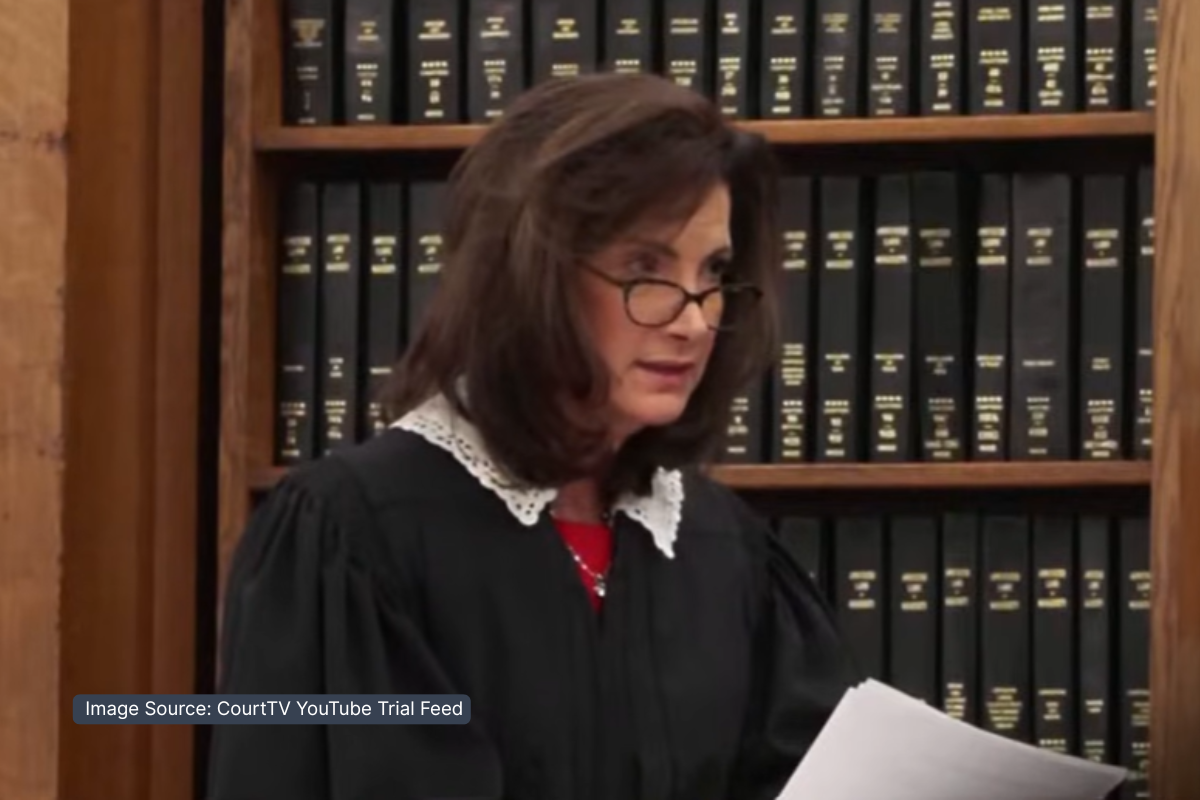
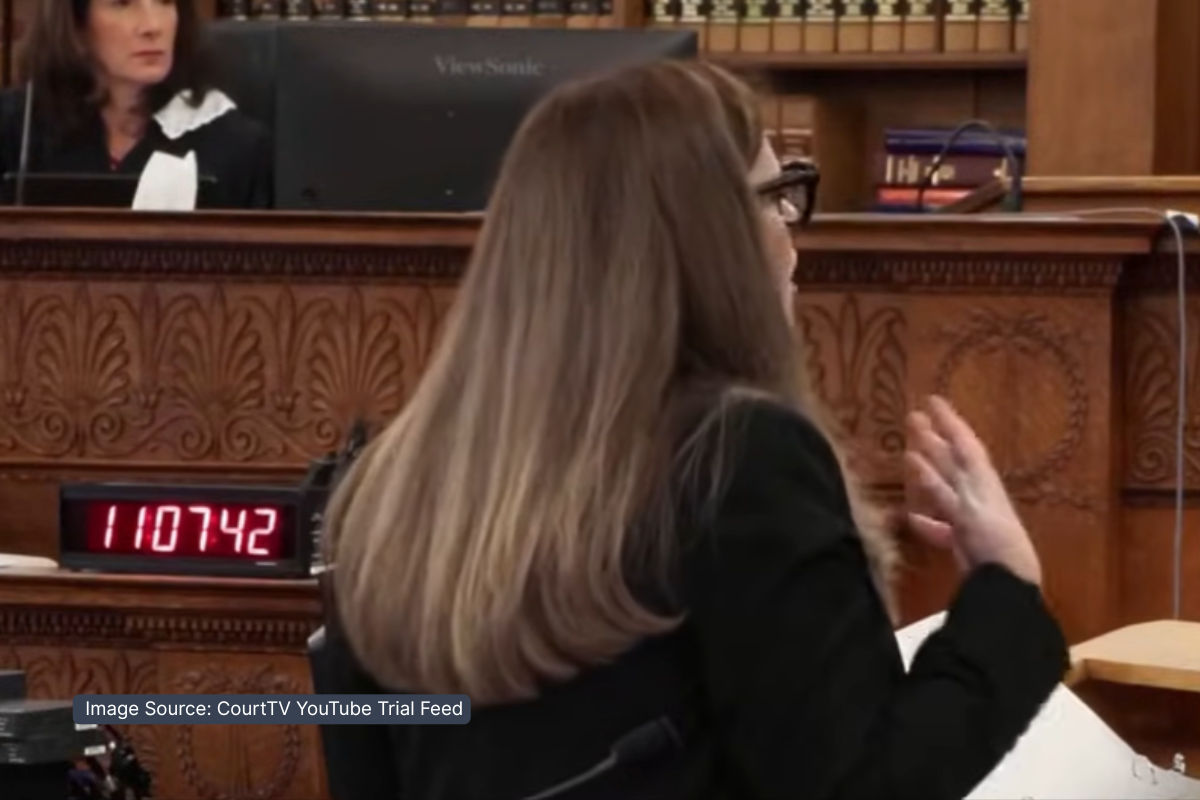

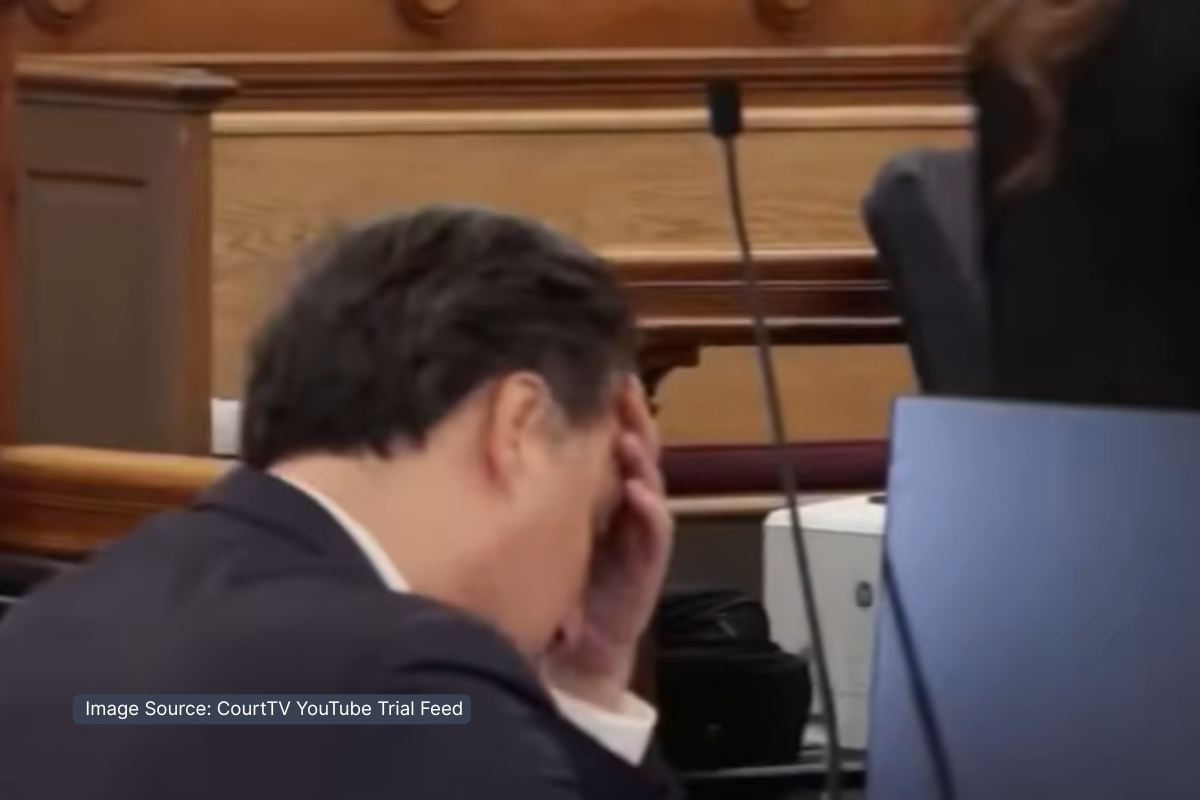
As the Brian Walshe trial moved into its final phase, the closing arguments distilled weeks of testimony into two sharply different narratives. The Commonwealth urged jurors to view the evidence as proof of a calculated, premeditated murder followed by deliberate concealment, while the defense cautioned against filling evidentiary gaps with inference and emotion. What followed was not a dispute over whether Brian Walshe’s actions were disturbing, but whether the prosecution met its burden to prove intent beyond a reasonable doubt.
For a direct comparison of the prosecution’s and defense’s final arguments, see the side-by-side comparison table below.
Defense Closing Argument – Key Points & Themes
(Larry Tipton, for Brian Walshe)
1. The Defense’s Central Narrative
The defense framed this case around a single, consistent theme:
A loving husband and father faced a sudden, unexpected tragedy — not a planned homicide.
Tipton repeatedly asked jurors to confront the Commonwealth’s burden: proving beyond a reasonable doubt that:
a homicide occurred
Brian Walshe intentionally killed his wife
the killing was deliberate and premeditated
According to the defense, the evidence simply does not support those conclusions.
2. No Motive
The defense systematically dismantled each motive proposed by the prosecution:
🔹 Affair
No evidence Brian knew about Anna’s affair.
No digital evidence showing he saw messages between Anna and William Fastow.
Witness testimony suggested Brian was not jealous and remained calm even when Fastow was openly referenced on New Year’s Eve.
The defense emphasized: anger requires knowledge, and knowledge was never proven.
🔹 Money
Texts showed cooperative financial planning, asset protection, and future investments.
Divorce-related searches were framed as estate and asset protection, not marital collapse.
No financial stress or impending loss that would drive murder.
🔹 Fear of Prison
Prison had already been “on the table” due to Brian’s federal case.
The defense argued this was not a sudden new threat capable of triggering homicide.
Bottom line:
Without motive, the prosecution’s theory lacks a foundational pillar.
3. Sudden Unexpected Death (SUD) Theory
The defense leaned heavily on expert testimony explaining that:
Sudden, unexpected death can occur in healthy adults.
It is rare, but medically recognized and legally acknowledged.
Such deaths often trigger panic, disbelief, and irrational behavior by loved ones.
Tipton framed Brian’s post-event behavior — lying, frantic searches, concealment — as panic-driven, not guilt-driven.
4. Google Searches: Context Matters
The defense did not deny the searches — instead, they reframed them:
Searches evolved over time, becoming darker as confusion deepened.
The word “murder” appeared hours after initial searches, not immediately.
No searches showed planning or intent to kill beforehand.
Out of thousands of digital records, not one reflected premeditation.
Tipton argued:
If murder was planned, where is the planning?
5. No Evidence of Violence in the Home
This was one of the defense’s strongest factual arguments:
Extensive forensic testing throughout the house found no blood in the bedroom, bathrooms, kitchen, living areas, drains, subflooring.
Sensitive testing capable of detecting billionths of a gram of blood found nothing.
Blood was found only on basement concrete — inconsistent with a violent stabbing elsewhere.
The defense argued it defies logic that someone could perfectly clean every living space while leaving detectable blood behind.
6. The Knife & Physical Evidence
The knife allegedly tied to the crime was found in plain view. It showed no confirmed blood and was never conclusively linked to a killing. Police “lost interest” in it — undermining its evidentiary value.
Additionally:
Dumpster evidence was handled in ways that allowed cross-contamination. Multiple crime lab witnesses acknowledged transfer contamination was possible.
Inference alone, Tipton stressed, is not proof.
7. Cherry-Picked Evidence
Tipton accused the Commonwealth of:
Highlighting suggestive but irrelevant details (song titles, movie names, ceiling holes).
Presenting isolated facts without explaining why they mattered.
Asking jurors to infer intent without a reasonable evidentiary bridge.
The defense urged jurors to reject emotional reactions and evaluate whether each inference was reasonable, not speculative.
8. Relationship Evidence: Love, Not Conflict
The defense spent significant time grounding the jury in:
affectionate text messages
future plans
shared humor
property investments
New Year’s Eve celebrations lasting hours
Key exhibits included:
A signed champagne bottle reading:
“What a year. And yet we are still here and together… We are the authors of our lives.”
Evidence Brian reserved an expensive New Year’s Day dinner for Anna.
These actions, Tipton argued, are incompatible with a man planning murder.
9. Consciousness of Guilt vs. Consciousness of Panic
The defense acknowledged that Brian lied, Brian concealed, Brian disposed of evidence.
But Tipton drew a critical distinction:
Fear, shock, and disbelief can explain terrible decisions — without proving murder.
10. Final Defense Position
The closing ended where it began:
No evidence of intent.
No evidence of planning.
No evidence of a violent killing in the home.
No proven motive.
The defense urged jurors to return a verdict based on evidence, not emotion — and concluded unequivocally:
Brian Walshe is not guilty.
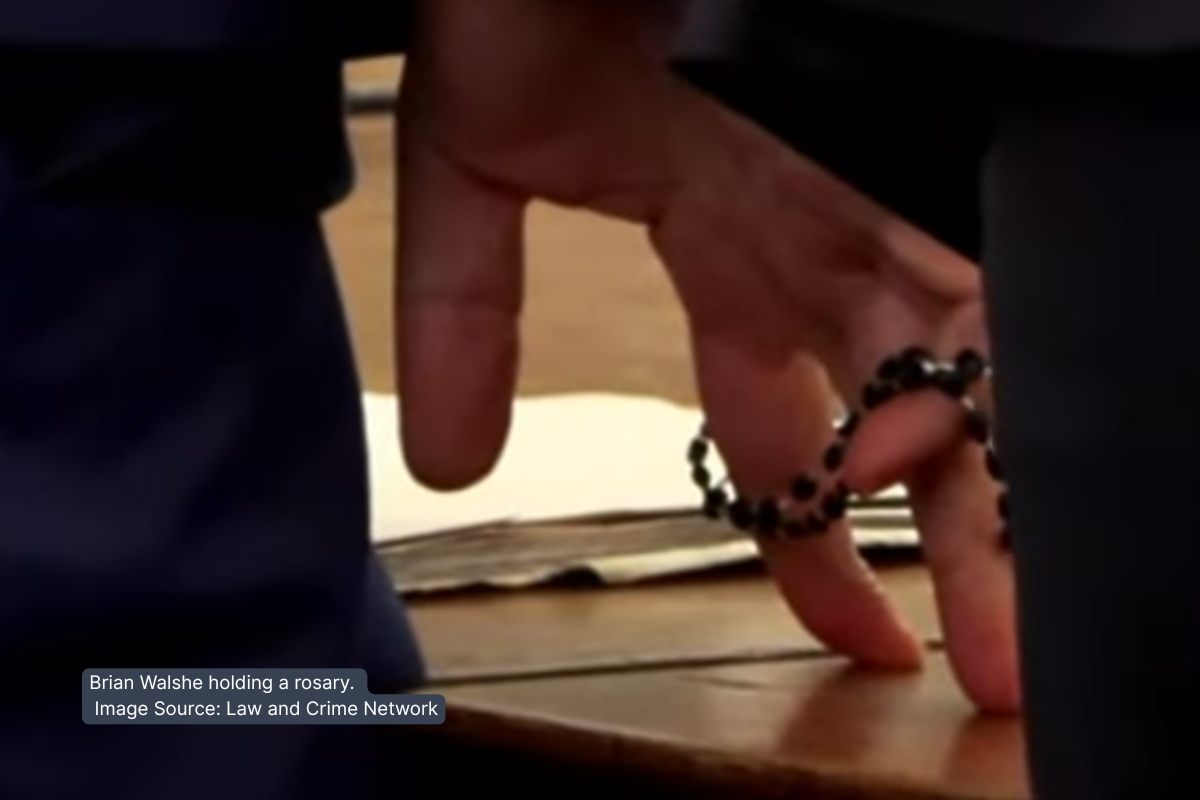
Brian Walshe Clutches a Rosary During Day 1 of Trial
Commonwealth Closing Argument — Summary & Key Themes
CW Closing Anne Yas
Core Theory: The Commonwealth argued that Ana Walshe is dead, she did not leave voluntarily, and Brian Walshe intentionally murdered her with premeditation, then deliberately dismembered and disposed of her body to prevent discovery and avoid accountability
1. Ana Walshe Is Not “Missing”
The CW began by dismantling the defense’s missing-person narrative:
Ana did not leave for a work emergency.
She did not take an Uber or Lyft.
She has not used her phone, email, bank accounts, passport, or credit cards.
Her phone last connected near the Cohasset home.
No contact with friends, coworkers, or family since January 1, 2023.
The Commonwealth framed this as complete and permanent disappearance inconsistent with voluntary departure
2. Opportunity: Brian Walshe Was the Only Adult Present
Brian Walshe was alone with Ana and their three young children after their guest left around 1:30 a.m. on New Year’s Day. The CW emphasized that Ana was alive when the guest left, and dead before morning. This established exclusive opportunity
3. Physical Evidence of a Violent Death
Despite the absence of a body, the Commonwealth leaned heavily on forensic and circumstantial physical evidence:
Blood-soaked rug pieces recovered from a dumpster at Brian’s mother’s apartment.
Blood clots and a broken piece of Ana’s Gucci necklace embedded in the rug.
Slippers containing both Ana’s DNA and Brian’s DNA.
Bloody towels discarded.
The CW argued these items cannot be explained by natural death or accident and demonstrate a violent event inside the home
4. Consciousness of Guilt & Cleanup
The prosecution emphasized post-death behavior as proof of intent:
Internet searches about: Cleaning blood, Removing DNA, Whether dishwashers clean blood
Purchases of: Cleaning chemicals, Cutting tools, Replacement rugs
A cut on Brian’s thumb treated with bandages purchased before tool shopping.
Discarding items across multiple dumpsters.
This was framed as methodical evidence destruction, not panic
5. No Plausible Natural Death Scenario
The Commonwealth aggressively rebutted any suggestion of sudden natural death:
Ana was 39, healthy, active, and insured at the highest health rating.
Multiple witnesses testified to her physical fitness.
Medical testimony emphasized how rare sudden unexplained death would be in someone with her profile.
Crucially, the CW argued that the lack of a body is itself evidence of intent, because Brian ensured no autopsy could occur
6. Motive: Marriage, Money, Control, and Freedom
The CW laid out a multi-layered motive:
Brian faced Federal charges, Home confinement, $400k+ restitution, and Financial dependence on his mother
Ana was thriving professionally, earning ~$300k/year, establishing a separate household in DC, and seeking custody of the children. Ana had emotionally moved on and was involved with another man.
Brian stood to lose his marriage, his children, his financial lifeline, his freedom.
The prosecution’s framing: He didn’t just want her dead — he needed her dead.
7. Planning and Premeditation
The Commonwealth highlighted planning behaviors before January 1:
Divorce research focused on strategy, not asset protection.
Monitoring Ana’s finances and travel.
Anger over holidays spent away.
Internet searches related to prior FBI raids used later in false narratives.
The conveniently “lost” phone creating a gap in availability.
A detailed Lowe’s shopping list and distant store choice.
These actions were presented as deliberate steps toward murder, not spontaneous conflict
8. Digital Evidence & Deception
Key digital contradictions:
Phone activity while allegedly “lost.”
Deleted reservation texts at precise times when the phone was unlocked.
Implausible claims that children unlocked and deleted content.
Conflicting stories about Ana’s phone usage that contradicted witness testimony.
The CW emphasized that digital forensics exposed the lies
9. Dismemberment as Concealment, Not Panic
The prosecution carefully argued:
Dismemberment does not negate premeditation.
It demonstrates intent to conceal and avoid detection.
The basement setup, plastic sheeting, tools, and staggered disposal show planning.
They urged jurors not to reward the defendant for successfully destroying evidence.
10. Final Ask to the Jury
The Commonwealth closed by urging jurors to use common sense, evaluate the totality of circumstantial evidence, and reject self-serving explanations.
Return the only verdict supported by the evidence:
Guilty of first-degree premeditated murder
CW vs. Defense - A Side-By-Side Comparison
|
Issue
|
Commonwealth Closing |
Defense Closing |
| Core Narrative | Ana is dead, murdered intentionally, and Brian planned it | The Commonwealth cannot prove how Ana died, when she died, or that Brian intended to kill her |
| Theory of the Case | Premeditated murder followed by deliberate dismemberment to conceal the crime | At most: a tragic, unexplained death followed by panicked, irrational post-mortem behavior |
| Body / Cause of Death | No body because defendant made sure there would be none | No body = no cause of death = no murder proven |
| Premeditation | Inferred from planning, digital searches, purchases, and methodical behavior | CW is stacking inferences on top of inferences without direct proof |
| Post-Mortem Conduct | Dismemberment and cleanup show consciousness of guilt and planning | Post-mortem brutality ≠ premeditation; it shows panic, fear, desperation |
| Digital Evidence | Searches reveal intent, planning, and awareness of guilt | Searches reflect curiosity, anxiety, and hindsight bias |
| Phone Evidence | “Lost phone” story is deliberate deception | Phone data is incomplete, ambiguous, and over-interpreted |
| Motive | Financial collapse, loss of control, custody fears, jealousy | Motive is speculative and emotionally charged but legally insufficient |
| Defendant’s Demeanor | Calm, methodical, calculated — not a man in crisis | Demeanor evidence is subjective and unreliable |
| Role of Common Sense | Common sense fills the gaps left by no body | Common sense demands proof beyond speculation |
| Ask to the Jury | Guilty of first-degree premeditated murder | Acquit or, at minimum, reject first-degree murder |
Strategic Effectiveness Analysis
Commonwealth — Strengths
1. Narrative Cohesion
The CW’s greatest strength is that their story is complete. Everything fits into a single timeline: motive → planning → murder → concealment. Jurors like stories that Explain everything Leave no loose ends Feel emotionally and logically satisfying. This one does.
2. Moral Framing
Lines like “Don’t let him benefit from successfully destroying the evidence” are powerful. That’s a fairness appeal, not just a legal one. Jurors respond strongly to that.
3. Methodical vs. Panicked Framing
By repeatedly emphasizing calm purchases, lists, masks, gloves, and multi-day disposal, the CW successfully reframes behavior that could look frantic into something cold and deliberate. That’s smart lawyering.
Commonwealth — Vulnerabilities
1. Premeditation Stretch
This is where the CW risks overreach. They rely heavily on inferred intent, Digital behavior interpreted through hindsight, and Post-event actions to prove pre-event intent. That opens the door for reasonable doubt — especially for jurors who are disciplined about legal standards.
2. Emotional Saturation
There is a LOT here: children, betrayal, finances, control, brutality. For some jurors, that’s persuasive. For others, it triggers skepticism: “Are they trying to overwhelm me because the proof is thin?”
Defense — Strengths
1. Legal Discipline
The defense did one thing very well: they never chased the Commonwealth’s story emotionally. Instead, they Slowed everything down Repeated the burden of proof Forced jurors to separate disgust from intent. That’s exactly what a good defense does in a circumstantial case.
2. Post-Mortem ≠ Premeditation
This is the defense’s strongest conceptual argument. Many jurors intuitively understand this. People can do horrific things after something happens that they didn’t plan beforehand. This idea gives jurors psychological permission to Condemn Brian morally But acquit him legally on first-degree murder. That’s powerful.
Defense — Weaknesses
1. Limited Alternative Narrative
The defense did present an alternative theory — that Ana may have died from a sudden, unexplained medical event, with no proof of homicide and no provable cause of death. This theory was developed more fully through cross-examination of the medical examiner and reiterated in closing, though it lacked the narrative cohesion and emotional force of the Commonwealth’s timeline.
While legally sound, the defense’s explanation relies heavily on uncertainty and the absence of proof rather than affirmative evidence, which may feel unsatisfying to jurors seeking a clear, concrete explanation of events.
2. Minimizing Digital Evidence Too Much
Downplaying searches as curiosity or anxiety risks insulting juror intelligence. Most people understand the difference between Googling “what happens if someone dies” and Googling “can you be charged with murder without a body.” That distinction matters.
My Candid Opinion on Effectiveness
Who Had the Better Closing?
The Commonwealth had the stronger story.
The defense had the .stronger legal argument
Which one wins depends entirely on the jury’s mindset. How will Jurors Likely Split? Jurors inclined toward conviction will say:
“Too many coincidences. Too much planning. He didn’t panic — he executed.” Jurors inclined toward acquittal or a lesser offense will say:
“What he did after may be monstrous, but we can’t leap from that to premeditated murder.”
Biggest Risk for the Commonwealth
They may have argued themselves past second-degree murder into a first-degree theory that some jurors can’t quite get all the way to.
Ironically, if jurors believe that a murder occurred but planning wasn’t proven beyond a reasonable doubt. They may reject first-degree even while believing he killed her.
Biggest Risk for the Defense
Jurors may conclude “I don’t like their explanation — and I don’t trust him.” And once jurors emotionally disengage from the defendant, legal nuance gets harder to sell.
Bottom Line
This case comes down to a single juror question:
Does the evidence prove Brian Walshe planned to kill Ana — or only that he did everything possible to cover up her death afterward?
Both closings revolve around that fault line.
Related Articles
Brian Walshe Trial Day 10 – Jury Instructions
Day 10 marked the transition from evidence to decision-making. With testimony complete, the court finalized jury instructions outside the presence of the jury, addressed minor but important edits, and then instructed jurors on the law governing the single charge they...
Brian Walshe Trial Implodes Mid-Stream: The Defense Walks Off the Stage
The Commonwealth closed its case on December 10 after presenting a dense stack of forensic evidence, digital breadcrumbs, and witness testimony. But the real story unfolded immediately afterward — in the small procedural moments that signaled the trial was about to...
Brian Walshe Trial Day 4 – Ana’s Affair: William Fastow Testimony
When the prosecution called William Fastow, Ana Walshe’s D.C. lover, they were clearly aiming to build a motive: a failing marriage, a wife emotionally checked out, a husband allegedly pushed to a breaking point. But by the time Fastow stepped off the stand, many...