
David Anthony Burke Arrested in Connection with Celeste Rivas Hernandez Homicide
Grand Jury Strategy Comes Into Focus After Months of Unanswered Questions, the Case Enters a Critical Phase as Prosecutors Prepare to Act.
For months, the case of Celeste Rivas Hernandez unfolded largely out of public view—behind sealed records, quiet investigative steps, and a steady stream of unanswered questions. That changed Thursday evening, when entertainer David Anthony Burke was taken into custody in connection with her death, marking the first major shift from speculation to accountability in a case that has gripped both investigators and the public alike.
David Anthony Burke, 21, was arrested on April 16, 2026, by detectives with the Los Angeles Police Department’s Robbery-Homicide Division in connection with the murder of Celeste Rivas Hernandez.
According to booking records, Burke was taken into custody at approximately 5:00 PM and later booked at LAPD’s 77th Street Division. He is currently being held without bail. As of this writing, a booking photo has not yet been released.
In a statement posted publicly, LAPD confirmed the arrest and announced that the case will be presented to the Los Angeles County District Attorney’s Office on Monday for filing consideration—the next critical step in determining whether formal charges will be filed.
Defense Responds as Charging Decision Looms
Attorneys representing David Anthony Burke moved quickly to assert his innocence following the arrest, emphasizing that no formal charges have yet been filed.
“Let us be clear — the actual evidence in this case will show that David Burke did not murder Celeste Rivas Hernandez and he was not the cause of her death,” defense attorneys Blair Berk, Marilyn Bednarski, and Regina Peter said in a statement, adding that they intend to vigorously defend him.
Meanwhile, the Los Angeles County District Attorney’s Office confirmed that the case is expected to be presented to its Major Crimes Division for review, where prosecutors will determine whether the evidence supports filing charges.
Monday’s Decision
Monday is not a formality—it’s a decision point.
When a case is submitted for filing consideration, prosecutors evaluate:
Whether the evidence supports criminal charges
What specific charges should be filed
Whether additional investigation is needed before proceeding
If charges are filed by criminal complaint, the case will move forward to a preliminary hearing, where a judge will determine whether there is enough evidence to proceed to trial.
Why This Case Is Moving Forward Without an Indictment
One detail drawing attention is how Burke was arrested.
Rather than proceeding by grand jury indictment, authorities appear to be moving forward by criminal complaint—a path that raises questions but does not necessarily signal weakness in the case.
There are several possible explanations for this approach:
1. Speed and Timing
An arrest by complaint allows law enforcement to act quickly once probable cause is established, without waiting for a grand jury to return an indictment.
2. Strategic Control of Evidence
A grand jury indictment requires prosecutors to present their case—privately but fully—to jurors. By contrast, proceeding by complaint allows prosecutors to control what evidence is revealed early in the process.
A preliminary hearing is not a full preview of the case. It is a threshold proceeding, and prosecutors often limit what they introduce at this stage.
3. Prior Grand Jury Activity
Reports have indicated that a grand jury had been investigating aspects of this case. If so, it may have already served its purpose—such as securing testimony under oath—without being used for formal indictment.
4. Witness and Case Strategy
A preliminary hearing compels testimony in open court, which can:
Lock witnesses into sworn statements
Expose inconsistencies
Apply pressure to uncooperative individuals
This can be particularly significant in complex cases involving multiple potential witnesses or persons of interest.
Shop Our Merch!
Only Trial Junkies and True Crime Addicts will understand this merch: Courtroom Chaos, Media Frenzy, Forensic and LEO Series available in tees, hoodies, caps, totes, and mugs. Check them out!
What Legal Experts Say About the Arrest Strategy
While speculation has surfaced about potential differences between investigators and prosecutors, the use of a grand jury and the timing of the arrest suggest a coordinated effort rather than a last-minute push.
Legal analysts familiar with California’s system say the use of an investigative grand jury in this case may have been central to how—and when—this arrest ultimately occurred.
Former LA prosecutor and owner of YouTube podcast Courtroom Confidential, Josh Ritter, explained that the grand jury was likely used not to seek an indictment, but to compel testimony from key witnesses under oath in a closed-door setting. That process allows investigators to lock in statements, test credibility, and gather information from individuals who may otherwise be reluctant to cooperate.
Attorney Neama Rahmani, who practices in Los Angeles, noted that this approach is relatively uncommon in California, where prosecutors typically proceed by complaint and preliminary hearing rather than relying heavily on grand jury proceedings. In this case, however, the grand jury appears to have been used as an investigative tool to apply pressure on individuals within the defendant’s inner circle and secure cooperation.
Both analysts suggested that the timing of the arrest may point to a turning point in witness testimony rather than a late-breaking forensic discovery. In other words, the case may have advanced because someone spoke—potentially providing information that allowed prosecutors to establish probable cause.
Rahmani further emphasized that this was not a reactive arrest, but one directed by the District Attorney’s office after a lengthy, coordinated investigation. That distinction suggests that the decision to move forward was made deliberately, with prosecutors confident they have sufficient evidence to proceed.
If that analysis proves accurate, the preliminary hearing may offer the first glimpse into not just what investigators found—but who ultimately helped them build the case.
Will the Public Be Able to Watch the Hearing?
While preliminary hearings in California are public proceedings, that does not mean the public will necessarily be able to watch them.
California allows cameras in the courtroom only with judicial approval. In high-profile cases—especially those involving serious charges like homicide—judges often restrict or deny video coverage due to concerns about:
Fair trial rights
Witness intimidation
Ongoing investigative sensitivities
As a result, coverage of any upcoming hearing may come primarily from reporters inside the courtroom rather than live video.
What This Arrest Does—and Doesn’t—Mean
An arrest marks a major development—but it is not the end of the legal process.
At this stage:
No formal charges have been announced
The District Attorney has not yet filed the case
The evidence has not been presented in court
However, arrests in homicide cases—particularly those involving extensive investigation—are not made lightly. Law enforcement must establish probable cause, a legal standard requiring a reasonable basis to believe a crime was committed and that the suspect was involved.
Monday’s filing decision will provide the first official look at how prosecutors intend to move forward—and how strong they believe the case to be.
Shop Our Merch
Only Trial Junkies and True Crime Addicts will understand this merch: Courtroom Chaos, Media Frenzy, Forensic and LEO Series available in tees, hoodies, caps, totes, and mugs. Check them out!
Shop Our Merch
Only Trial Junkies and True Crime Addicts will understand this merch: Courtroom Chaos, Media Frenzy, Forensic and LEO Series available in tees, hoodies, caps, totes, and mugs. Check them out!
The Case Moves Into Public View
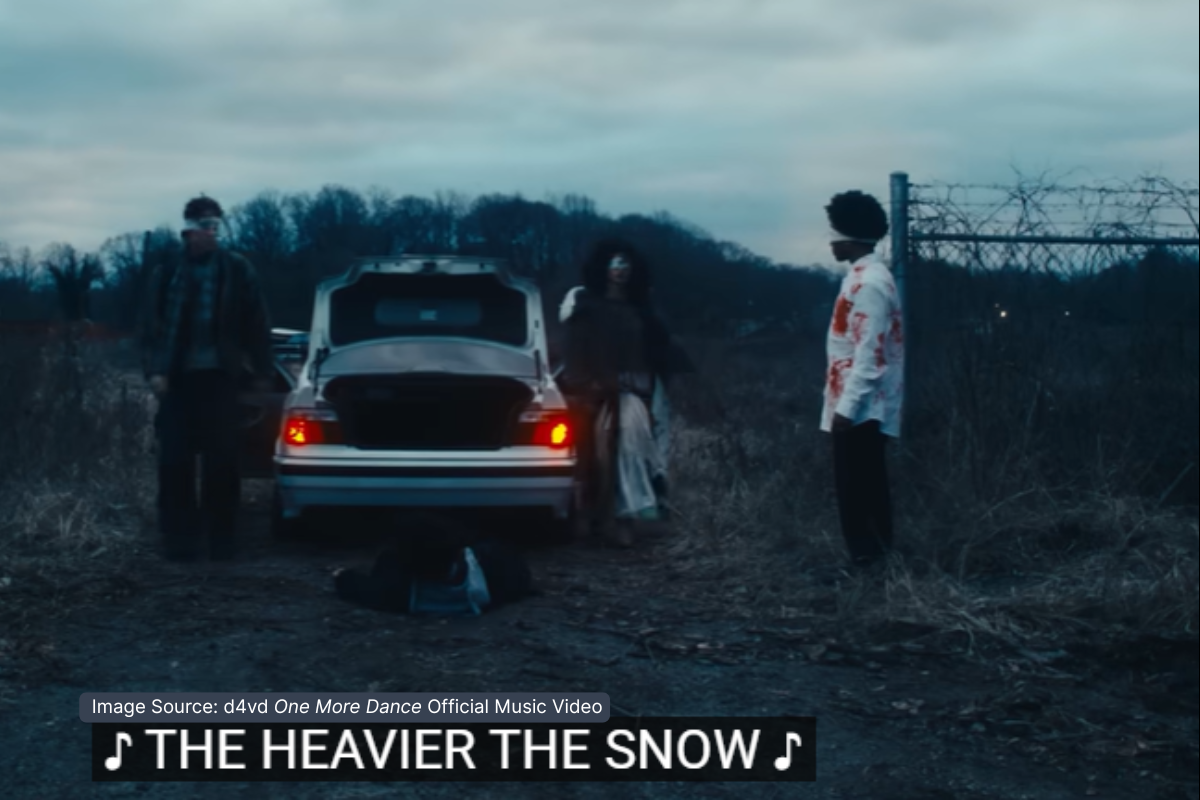
For months, much of this case has unfolded outside of public view—through investigative work, sealed documents, and speculation.
That is about to change.
If charges are filed, the preliminary hearing will mark the first time evidence is presented in open court, offering a clearer picture of what investigators believe happened to Celeste Rivas Hernandez—and who they believe is responsible.
A Case Now Out of the Shadows
For months, this case lived in the shadows—behind sealed records, closed-door testimony, and unanswered questions. Now, with an arrest made, it steps into the light. But what brought it there may matter just as much as what comes next. If the grand jury did its work the way legal experts suggest, then somewhere along the way, silence gave way to truth—and someone, at some point, decided to talk.
What happens next will unfold in public, piece by piece. And for the first time, the story of what happened to Celeste Rivas Hernandez may finally begin to take shape—not as speculation, but as evidence.
Related Articles
Celeste Rivas Hernandez Family Sues d4vd: What the 20-Page Lawsuit Actually Alleges
LOS ANGELES - The family of Celeste Rivas Hernandez has opened a second legal front against singer David Anthony Burke, better known as D4vd. Celeste's parents, Mercedes Martinez and Jesus Edgardo Rivas Alvarado, have filed a sweeping 20-page civil complaint in Los...
David Anthony Burke (d4vd) Preliminary Hearing Day 5: Judge Orders Singer to Stand Trial
Courtroom Drama The fifth and final day of David Burke's preliminary hearing shifted from introducing new evidence to bringing together the digital, forensic, and witness testimony presented over the...
David (d4vd) Anthony Burke Preliminary Hearing Day 4
Courtroom Atmosphere Day 4 focused primarily on forensic pathology and digital evidence. The morning was dominated by testimony from the Los Angeles County Medical Examiner, who detailed the autopsy...