
Nick Reiner Hearing: Defense Reset, Media Spin, and What Actually Happened
What the courtroom record shows — and what this week's headlines got wrong.
The January hearing in the Nick Reiner case produced more media noise than legal substance — and much of that noise was wrong.
While some outlets rushed to frame the day as a dramatic turn toward an insanity defense, the courtroom record tells a more procedural, restrained story: a sudden defense withdrawal, an immediate appointment of a seasoned public defender, and a continued arraignment — nothing more, and nothing less.
Nick Reiner was arrested on December 14, 2025 in connection with the fatal stabbing deaths of his parents, Rob Reiner and Michelle Singer Reiner, inside their Los Angeles County home. He faces two counts of murder and remains in custody pending arraignment.
A New Attorney and a Reset
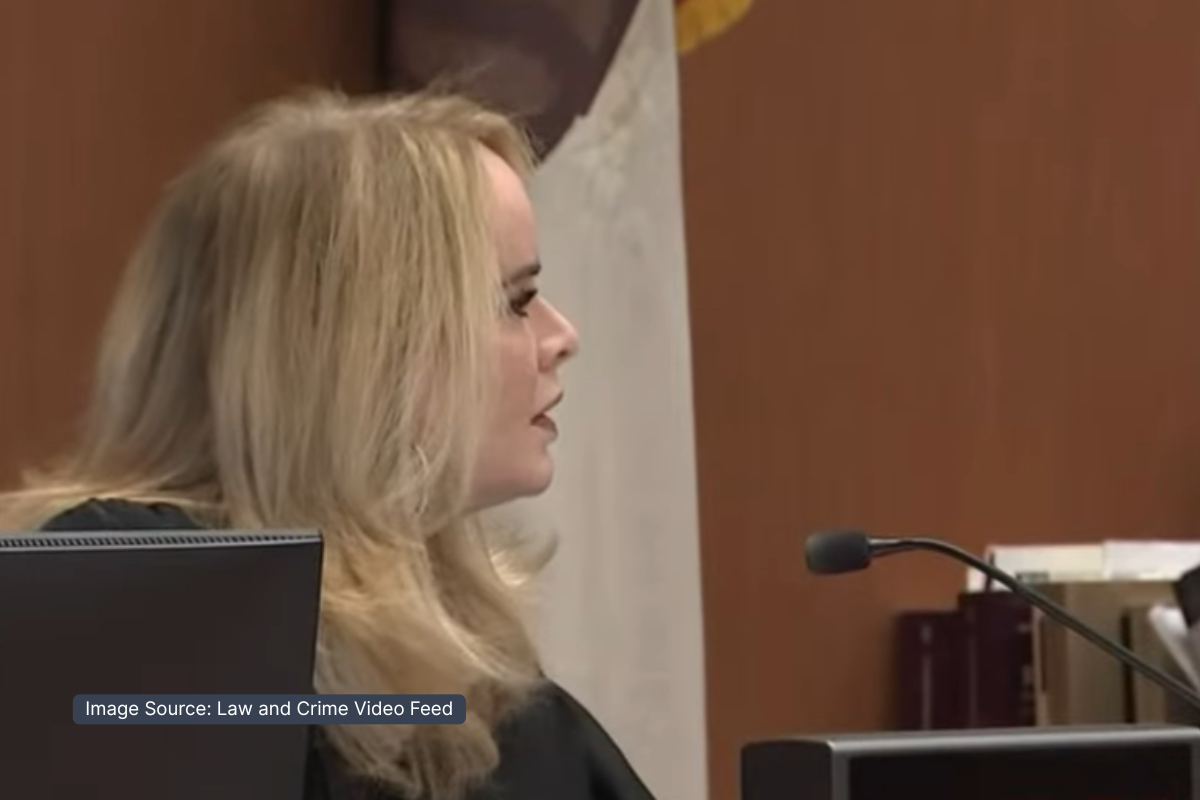
The hearing was presided over by Judge Theresa R. McGonigle, who handled the abrupt change in counsel methodically and without theatrics.
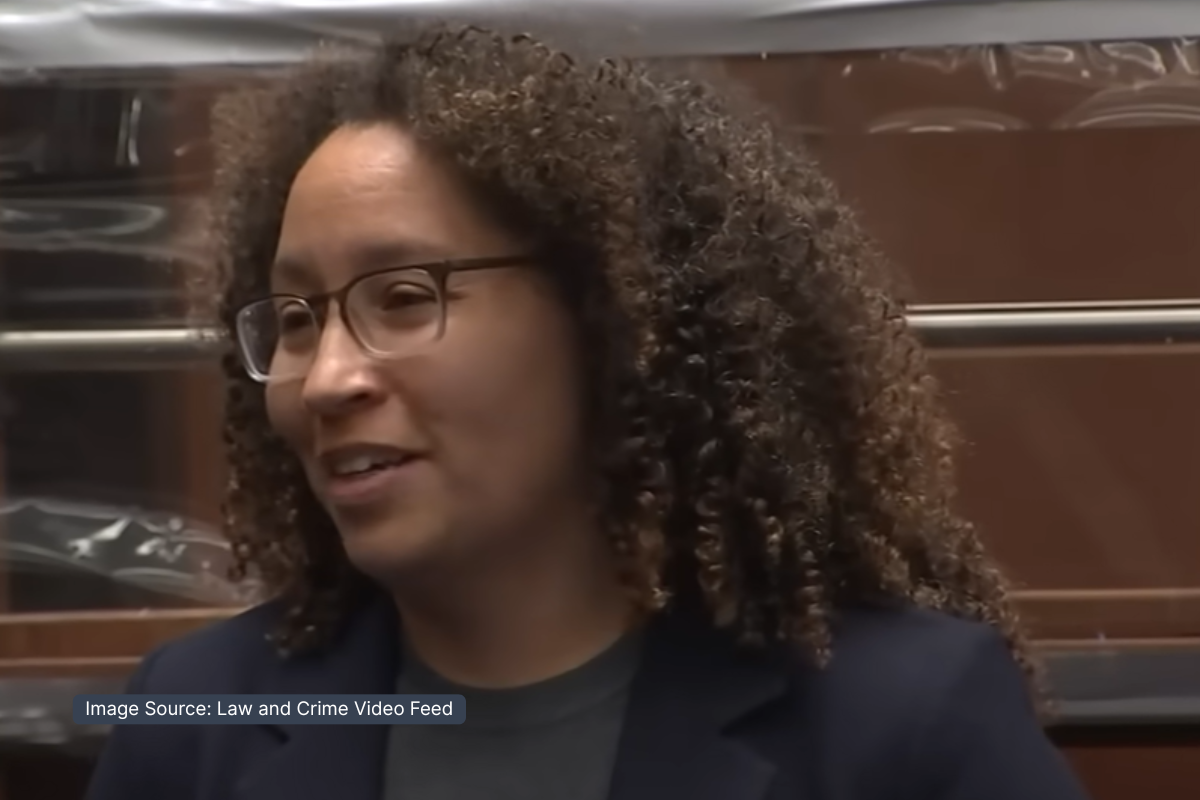
Defense attorney Alan Jackson requested to withdraw, citing explanations provided to the court in chambers and stating that he had “no choice” but to be relieved. The judge granted the request and immediately appointed Kimberly Greene of the Los Angeles County Public Defender’s Office.
Greene confirmed on the record that her office was ready to assume representation immediately and requested that the arraignment be continued “one last time” to February 23. The court granted the continuance.
A Defendant Who Waived Arraignment — Not One Found Incompetent
During the hearing, Alan Jackson stated that Mr. Reiner understood and consented to the change in counsel.
Judge McGonigle directly asked Nick Reiner whether he waived his right to be arraigned that day. Reiner responded affirmatively.
That moment matters.
Despite widespread speculation about competency or mental incapacity, no competency motion was raised, no evaluation was ordered, and no finding of incompetence was made. At this stage, the case remains procedurally ordinary, even if publicly charged.
The Public Defender’s Unusually Direct Statement
Following the hearing, the Los Angeles County Public Defender’s Office did something uncommon: it spoke.
Ricardo Garcia, representing the Public Defender’s office, acknowledged the pain experienced by the Reiner family and the broader community and asked for patience as the legal process unfolds. Greene echoed that tone, emphasizing transparency and availability “when appropriate.”
That posture is notable. Public defenders rarely issue public-facing statements at this stage, and when they do, it signals an intent to lower temperature — not escalate narrative warfare.
Greene also clarified several critical facts:
- Her office learned of the substitution only the night before.
- She spoke with Reiner for approximately 30 seconds prior to the hearing.
- There have been no in-depth conversations yet.
- The family was not notified in advance.
- No contact has been made with the family.
The fact that the family was not involved in this decision provides clarity that the family had not, in fact, hired Jackson on behalf of Reiner, as has been reported by media.
In fact, TMZ stated that the family would make a statement explaining why the change in attorneys. This did not happen at all. They did make a statement, but it was to say that they trust the criminal justice process.
In short: this was not a coordinated transition. It was a forced one.
What the Court Discussed — and What It Didn’t
Jackson disclosed that ten subpoenas remain outstanding and asked the court to issue body attachments, a legal mechanism allowing law enforcement to compel non-compliant witnesses to appear. Two of those witnesses — along with their attorneys — were present in court.
That detail suggests discovery disputes and witness issues were already in play, contradicting any suggestion that the case was in a slow or preliminary phase.
This also suggests that witnesses were not cooperative with the defense team if they needed to be compelled for interviews.
What did not happen is equally important:
No insanity plea was entered.
No competency issue was raised.
No mental health evaluation was ordered.
No substantive argument on guilt or sanity occurred.
Media confusion over NGRI — and why it matters
Several outlets, led by TMZ, suggested that Reiner would plead Not Guilty by Reason of Insanity (NGRI) at arraignment. While California law allows an NGRI plea to be entered at arraignment, it does not require it, nor does failure to enter it now foreclose the defense later.
More importantly, arraignment has not yet occurred.
In California, NGRI functions as a defense strategy that triggers a bifurcated trial process only if guilt is first established. Treating it as a foregone conclusion at this stage is not legal analysis — it’s speculation.
The Alan Jackson Spectacle — And What to Take From It
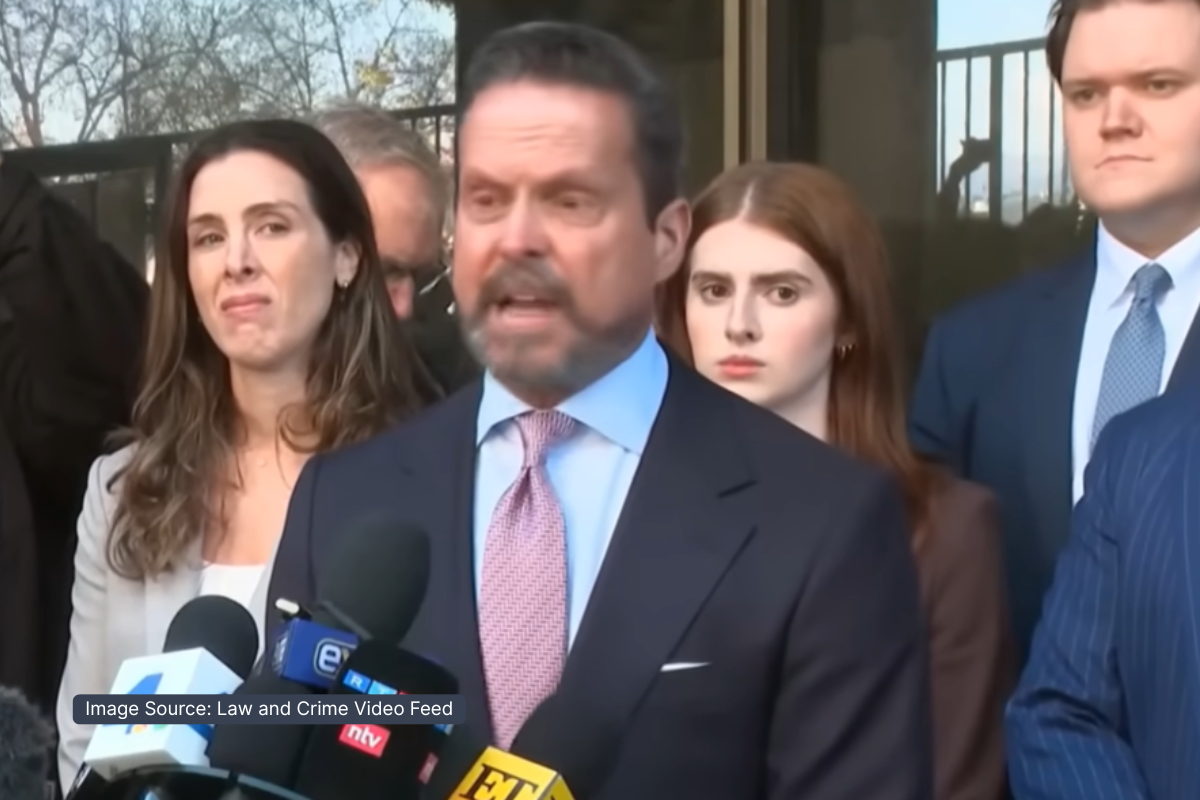
After the hearing, Jackson delivered an impassioned statement declaring Reiner “not guilty of murder” and urging reporters to “PRINT THAT!”
Jackson chose his words very carefully. It bears stating plainly: an attorney does not decide guilt or innocence — a jury does. Declarations of innocence made outside the courtroom are not legal determinations; they are media messaging.
The intensity of Jackson’s public defense is striking given the brief duration of his involvement — approximately three weeks — and the absence of any substantive rulings in the case. Whether intended or not, the performance overshadowed the procedural reality of the hearing itself.
What he did not do was explain why he withdrew.
He stated that he was “legally and ethically prohibited” from giving reasons, a position consistent with professional conduct rules — but sharply at odds with the confidence and finality of his public rhetoric.
The contrast between his restrained in-court language and his dramatic public exit only underscores one thing: this case is no longer being litigated in press conferences.
Editor’s Note:
Assertions made by defense counsel to the media are not findings of fact. In the American legal system, guilt and innocence are determined by juries based on evidence presented in court — not by press conferences, sound bites, or declarations made outside the record.
What the LA County DA had to say.
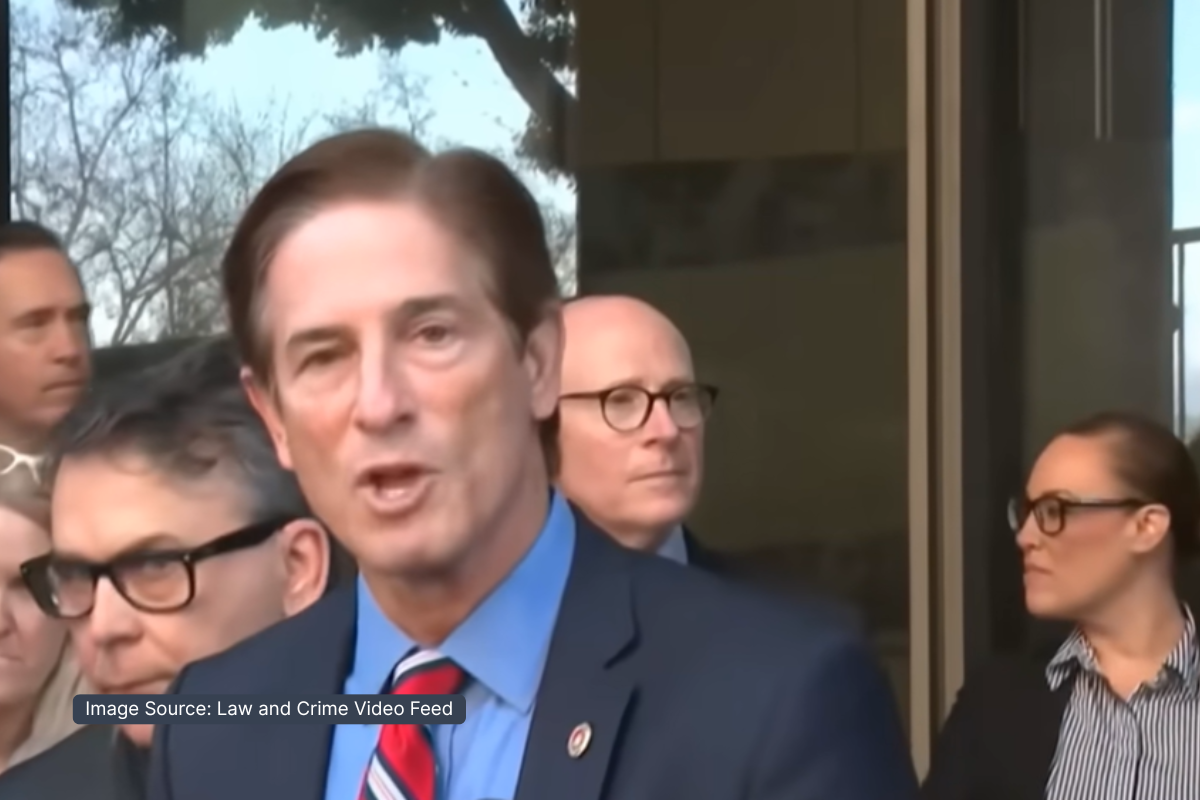
When LA County DA Nathan Hochman spoke after the hearing, the substance of his remarks reinforced three core points and stated he would take no questions:
Every defendant — including Reiner — is entitled to effective counsel, whether private or public.
The DA’s office will provide full discovery to defense counsel (evidence, interviews, videos, expert reports, etc.).
The prosecution is fully confident that a jury will ultimately convict Reiner beyond a reasonable doubt for the murders of his parents.
This statement reflects both procedural caution and prosecutorial resolve — signaling to the public that, even amid counsel changes, the office’s approach to the case on the merits remains firm and deliberate.
Who Is the Prosecutor in the Reiner Case?
At the courthouse press briefing following the January hearing, the prosecutor identified himself as Nathan J. Hochman, speaking alongside Assistant Head Deputy Habib Balian, who is assigned to prosecute the case.
Nathan Hochman is not a run-of-the-mill local prosecutor — he’s the 44th District Attorney of Los Angeles County, having taken office in December 2024 after a decisive election victory.
His background includes:
- Service as a federal prosecutor early in his career, including time as an Assistant U.S. Attorney and later as Assistant Attorney General for the U.S. Department of Justice’s Tax Division;
- Leadership roles in private practice, including work in white-collar and environmental law;
- A tenure as President of the Los Angeles City Ethics Commission, a role focused on legal ethics and accountability;
Hochman’s election marked a shift in leadership for the nation’s largest local prosecutor’s office, with a public pledge to balance accountability for violent crime with rehabilitative efforts for cases tied to addiction or mental health concerns.
As DA, Hochman oversees a massive operation that handles all felony and misdemeanor prosecutions in Los Angeles County — one of the largest local prosecutor’s offices in the United States.
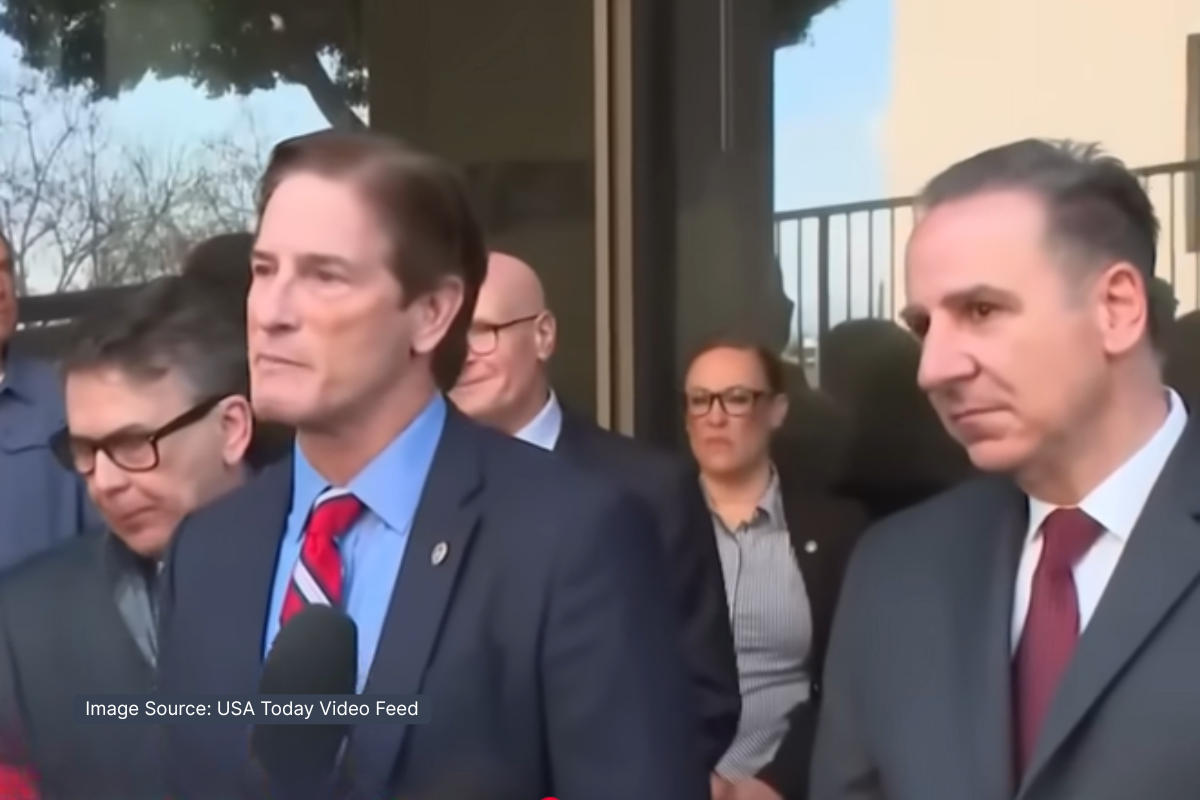
Deputy District Attorney Habib Balian, whom Hochman named as the lead prosecutor on the Reiner case, is an experienced Major Crimes Division attorney — a unit that handles the most serious felony charges, including homicide — though his full bio is not yet widely publicized.
What’s Being Misreported — and What the Record Actually Shows
❌ “Nick Reiner pleaded (or will plead) Not Guilty by Reason of Insanity at today’s hearing.”
✔ Reality: No plea of any kind was entered. The arraignment did not occur and was continued to February 23. In California, NGRI is a plea that may be entered at arraignment, but it is not required and is often added later with court permission.
❌ “The court found Reiner incompetent or ordered a mental health evaluation.”
✔ Reality: No competency motion was raised, no evaluation was ordered, and no finding of incompetence was made. Reiner waived arraignment on the record, indicating he was able to understand the proceeding at that time.
❌ “Alan Jackson withdrew because the family stopped paying him.”
✔ Reality: There is no evidence on the record to support this claim. Public Defender Kimberly Greene stated that her office learned of the substitution only the night before the hearing, had not spoken with the family, and that the family was not aware of the withdrawal in advance. These facts strongly undercut claims that the family orchestrated or financed the defense — or its termination.
❌ “The family was preparing a statement explaining why Alan Jackson withdrew.”
✔ Reality: The family issued only a brief, non-substantive statement and confirmed they were not aware of the defense withdrawal in advance. Public Defender Kimberly Greene explicitly stated the family had not been consulted.
❌ “The defense change was planned or strategic.”
✔ Reality: The Los Angeles County Public Defender’s Office learned of the substitution the night before the hearing and had minimal contact with Reiner prior to appearing in court. This points to a sudden, not coordinated, transition.
❌ “Insanity is now the confirmed defense strategy.”
✔ Reality: No defense strategy has been announced on the record. Assertions about an insanity defense are speculative and premature. Under California law, insanity is addressed only after a guilt phase if such a plea is formally entered.
❌ “The lack of courtroom footage indicates secrecy or a cover-up.”
✔ Reality: The hearing occurred pre-arraignment and involved counsel substitution and in-chambers discussions. While the absence of a live feed limits transparency, restrictions at this procedural stage are legally permissible.
Bottom line:
Much of the public narrative is running ahead of the court record. At this stage, the only verified developments are a change in counsel and a continued arraignment — not findings about mental health, pleas, or defense strategy.
Where Things Actually Stand
As of now:
The case is paused, not pivoted.
A seasoned public defender has taken over.
The arraignment is set for February 23.
No mental health determinations have been made.
No plea has been entered.
No findings have been reached.
Everything else — including sweeping claims about insanity defenses — is premature.
The legal process does not move at the speed of social media. When reporting outruns the record, confusion follows.
What happened in court was procedural, not revelatory. What comes next will happen on the record — not in headlines.
Related Articles
Hold On a Minute: What Media Is Saying About Nick Reiner
There has been exactly two real developments in the Nick Reiner case: a change in attorneys and a new arraignment date set. That’s it. No evidence dump.No discovery.No probable cause affidavit released.No forensic details confirmed on the record. And yet somehow —...
Nick Reiner: Schizophrenia or Narrative Shift?
In the earliest days of a high-profile criminal case involving son of Rob and Michele Reiner, Nick, narratives often solidify before facts are tested. Once that happens, speculation hardens into assumption—and assumption begins to masquerade as inevitability. That is...
Nick Reiner: Confirmed Facts, Media Speculation, and an Early Legal Framework
In the days following a high-profile arrest, early reporting often blends confirmed facts with assumption and speculation. The case involving Nick Reiner is no exception. While official information remains limited, public commentary is already accelerating. This...