
What to Expect as the Luigi Mangione Trial Approaches
The Defense Isn’t Saying He Didn’t Do It
As the trial of Luigi Mangione approaches, one question continues to surface:
What exactly is the defense going to argue? Because so far, there’s no dramatic declaration of innocence. No sweeping claim of mistaken identity. No “wrong man” narrative taking center stage. Instead, something quieter—and far more strategic—is unfolding.
The defense doesn’t appear to be preparing to tell the jury “he didn’t do it.” They’re preparing to argue something much more powerful:
“You can’t prove that he did.”
And that distinction could define the entire trial.
A Different Kind of Defense
In cases built on layers of circumstantial evidence, strong defense teams don’t always fight identity—they fight certainty. Rather than dismantling the case with one sweeping alternative theory, they chip away at it piece by piece:
This evidence isn’t reliable.
That timeline isn’t airtight.
Those conclusions are assumptions, not facts.
They aren’t going to tell an alternate story. It’s about making the state’s story feel incomplete.
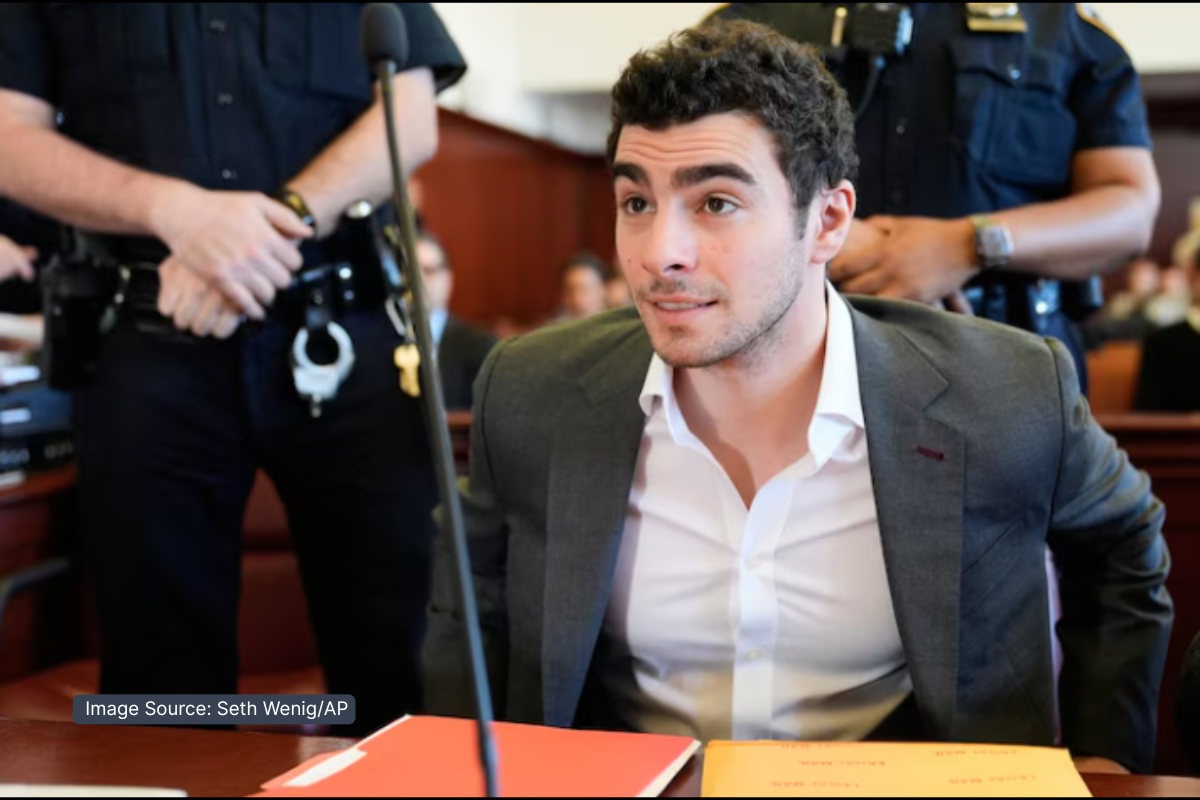
Shop Our Merch!
Only Trial Junkies and True Crime Addicts will understand this merch: Courtroom Chaos, Media Frenzy, Forensic and LEO Series available in tees, hoodies, caps, totes, and mugs. Check them out!
The Evidence—and Where the Defense Will Strike
To understand where this trial is headed, you have to look at the case the prosecution is likely to present—and how the defense can destabilize it.
📍 The Digital Trail
Prosecutors will likely rely heavily on a reconstructed timeline—location data, movements, and digital breadcrumbs that place Mangione in proximity to key events.
On paper, these timelines can look compelling. Clean. Logical. But the defense doesn’t need to disprove them entirely. They only need to introduce friction:
Who had access to the device?
Is the data precise—or just suggestive?
Are we seeing facts… or interpretations layered onto raw data?
A timeline that looks airtight from a distance can start to unravel under scrutiny.
🎒 The Backpack: A Potential Turning Point
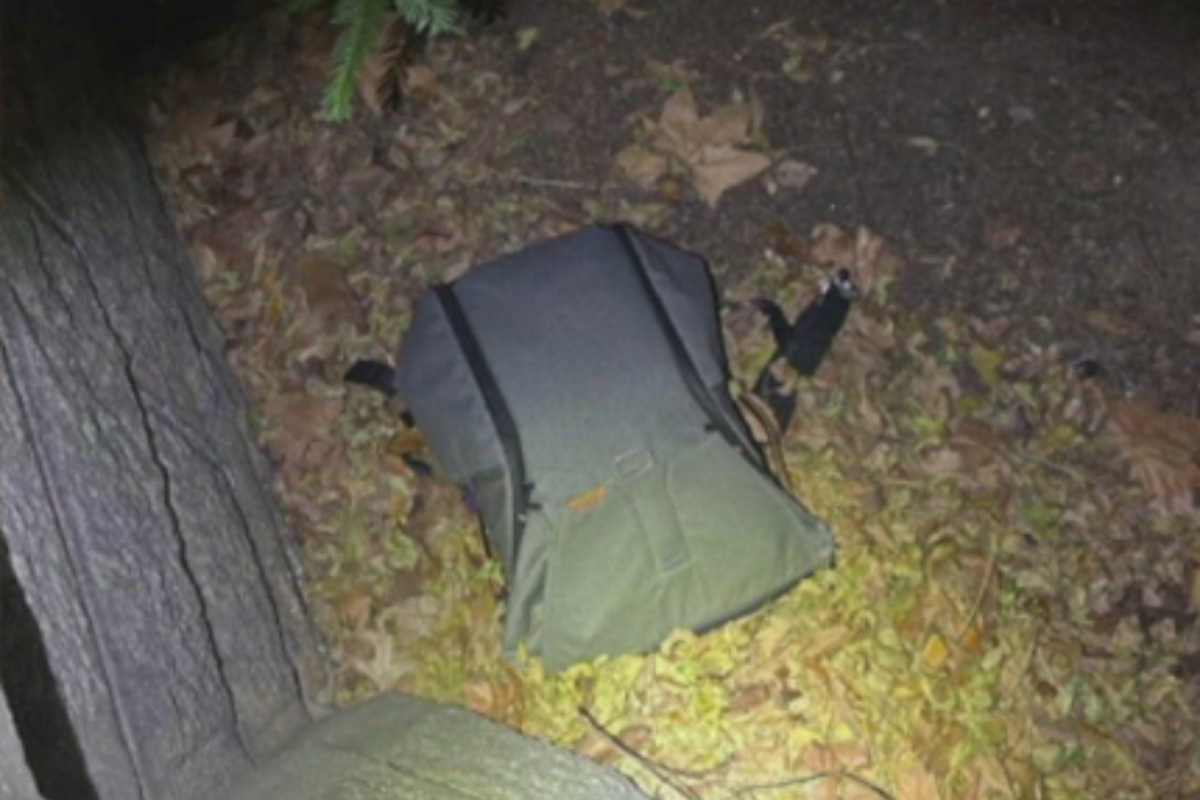
If there is a centerpiece to this case, it may be what was found in Mangione’s backpack. Physical evidence has a way of grounding a case. It feels tangible. Direct. Which is exactly why the defense is likely to attack it from every possible angle:
Was the search lawful?
Was the evidence handled properly?
Can the prosecution prove those items connect to the crime—not just to Mangione?
If the defense succeeds in suppressing this evidence, the case shifts dramatically. If they don’t, the strategy doesn’t disappear—it simply evolves into: “Even if you see this… it doesn’t prove what they claim it proves.”
It is important to note that the admissibility of the backpack evidence in the New York state case remains unresolved. While a federal judge has already allowed it in the federal trial, the state court is still weighing the issue—meaning the same piece of evidence could ultimately face two very different fates.
🧬 The Forensic Question
In many modern trials, jurors expect forensic certainty—DNA, trace evidence, something concrete. If that evidence is missing or weak, the defense will make sure the jury feels that absence. And if it exists? They’ll challenge it:
How reliable were the tests?
Could the evidence have been transferred indirectly?
Were proper procedures followed?
Because in the courtroom, even science can be made to look uncertain.
🧠 Intent: The Story Behind the Act
Perhaps the most contested ground won’t be what happened—but why. The prosecution may attempt to frame this as deliberate, calculated, even inevitable. The defense will likely do the opposite:
Reframe behavior as ambiguous
Challenge assumptions of planning
Strip meaning away from actions that may look intentional in hindsight
Because intent isn’t something you can photograph. It’s something you argue.
⚖️ Not “He Didn’t Do It”—But “You Can’t Prove It”
At its core, this defense strategy is about restraint. No bold alternative suspect. No dramatic courtroom reveal. Just a steady, methodical push:
You don’t know enough.
You’re assuming too much.
And that’s not enough to convict.
For a jury, that can be surprisingly persuasive.
🌐 The Other Courtroom: Public Perception
But this case isn’t unfolding only inside a courtroom. It’s playing out online. And Luigi Mangione remains, for some, a deeply polarizing figure. From the beginning, there has been a layer of public fascination that goes beyond the charges.
His wealthy background
His appearance
The perception—fair or not—of motive tied to larger grievances
In certain corners of social media, Mangione hasn’t just been defended. He’s been interpreted. Rationalized. Even elevated. The idea of him as a kind of anti-hero—someone acting out a deeper frustration—has not entirely disappeared. The question now is whether that support is fading… or simply becoming quieter as the case moves closer to trial.
This is important because jurors don’t live in a vacuum. They absorb narratives—sometimes without realizing it.
Shop Our Merch
Only Trial Junkies and True Crime Addicts will understand this merch: Courtroom Chaos, Media Frenzy, Forensic and LEO Series available in tees, hoodies, caps, totes, and mugs. Check them out!
Why This Case Is So Compelling
Strip away the legal arguments, and this case sits at the intersection of several forces:
A defendant who doesn’t fit a simple profile
A narrative that some are still trying to reframe
A prosecution likely built on structure, not a single smoking gun
And a defense strategy that doesn’t need to win the story—
Only to make sure the story never feels complete.
🔚 Final Thought
Trials aren’t always won by proving what happened. Sometimes, they’re decided by what can’t be proven with certainty. And if this defense strategy holds, the central question for jurors won’t be “Did he do it?”. It will be “Do we know that he did?” That’s a much harder question to answer.
Related Articles
Luigi Mangione Death Penalty Dropped, Reshaping Prosecution Strategy
A judge has removed the death penalty as a sentencing option in the case against Luigi Mangione, delivering a major win for the defense and significantly narrowing the scope of the prosecution. The ruling eliminates the most severe potential punishment Mangione faced...
Judge Garnett Warns DOJ: Public Comments May Violate Court Rules in Mangione Case
New York, September 24, 2025 — In a scathing order issued today, U.S. District Judge Margaret M. Garnett ruled that officials at the Department of Justice may have breached court rules by making public statements about Luigi Mangione’s case — statements that defense...
Terrorism Charges Dropped for Luigi Mangione
On September 16, 2025, a New York judge (Gregory Carro) dismissed two terrorism‐related murder charges against Luigi Mangione. Specifically, the charges struck were: ➤First-degree murder in furtherance of terrorism under state law. ➤Second-degree murder as a crime of...