
9 Important Details Media Overlooked: Lindsay Clancy Pretrial Hearing
The final Lindsay Clancy pretrial hearing before trial contained several important developments that received little media attention.
What the July 13 Pretrial Hearing Really Revealed
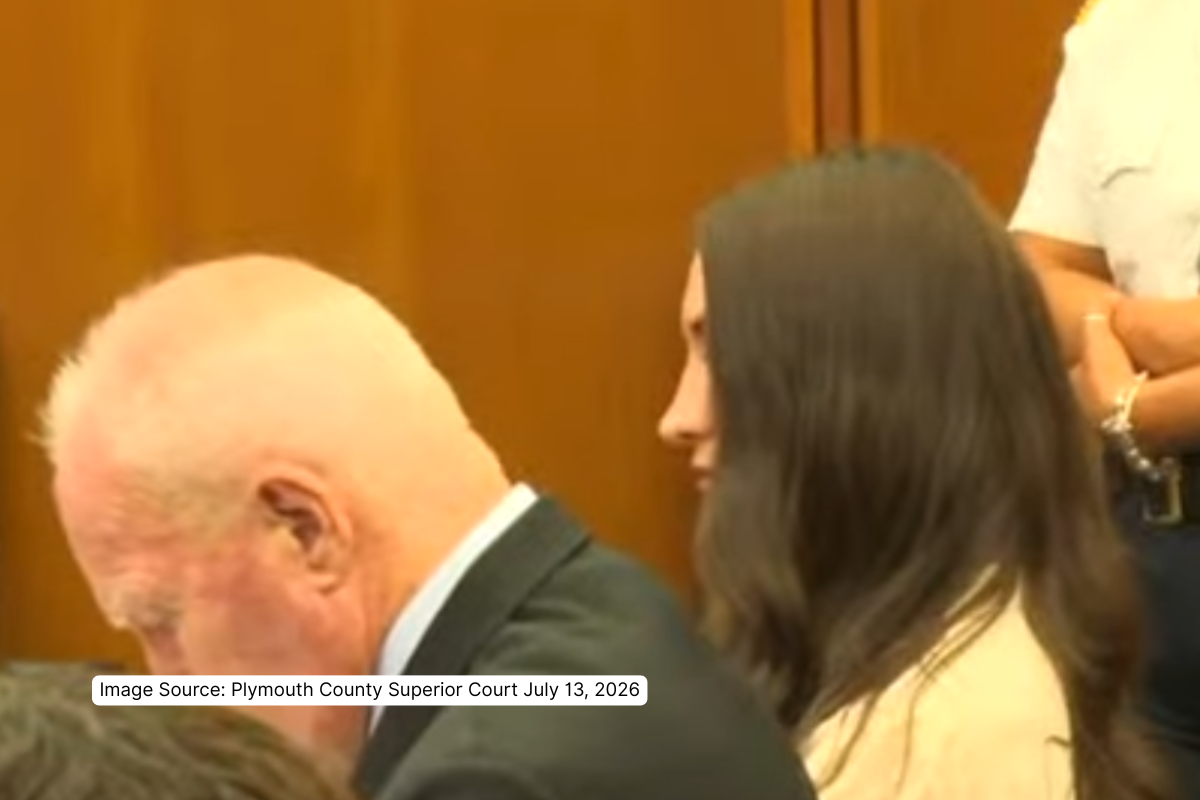
PLYMOUTH, Mass. – The July 13, 2026 pretrial hearing in the Lindsay Clancy case, a Massachusetts mom accused of killing her three young children, Cora, 5, Dawson, 3, and Callan, 7 months, in Jan. 2023, generated plenty of headlines, most of them focused on the prosecution’s decision to drop two lesser charges and procedural discussions about bloodstain evidence. But after reviewing the full hearing transcript, it became clear that several of the most significant developments received little attention.
The hearing offered an unusually revealing look at how both sides intend to present the case, how the judge plans to manage one of Massachusetts’ most closely watched trials, and what jurors are likely to hear before opening statements even begin. More importantly, it reinforced that this trial is no longer centered on proving what happened inside the Clancy home. Instead, nearly every discussion returned to one question: whether Lindsay Clancy was legally criminally responsible at the time her three children were killed.
Here are nine developments from the hearing that deserve a closer look.
1. The Blood Spatter Issue Essentially Disappeared
This may be the biggest surprise. The prosecution abandoned its planned live blood spatter demonstration before the hearing even began. Instead, they will use photographs that the expert already uses in training other investigators. That’s a significant change.
Instead of trying to educate the jury through a dramatic courtroom demonstration—which the defense could attack as theatrical—they’re simplifying the presentation. Strategically it’s interesting:
Prosecution
Eliminates appellate risk from a potentially prejudicial demonstration.
Makes the testimony cleaner.
Removes something the defense could criticize as a “show.”
Defense
Loses the chance to attack the demonstration itself.
Now has to challenge only the expert’s opinions and the photographs.
2. The Prosecution May Stipulate Away 31 Witnesses
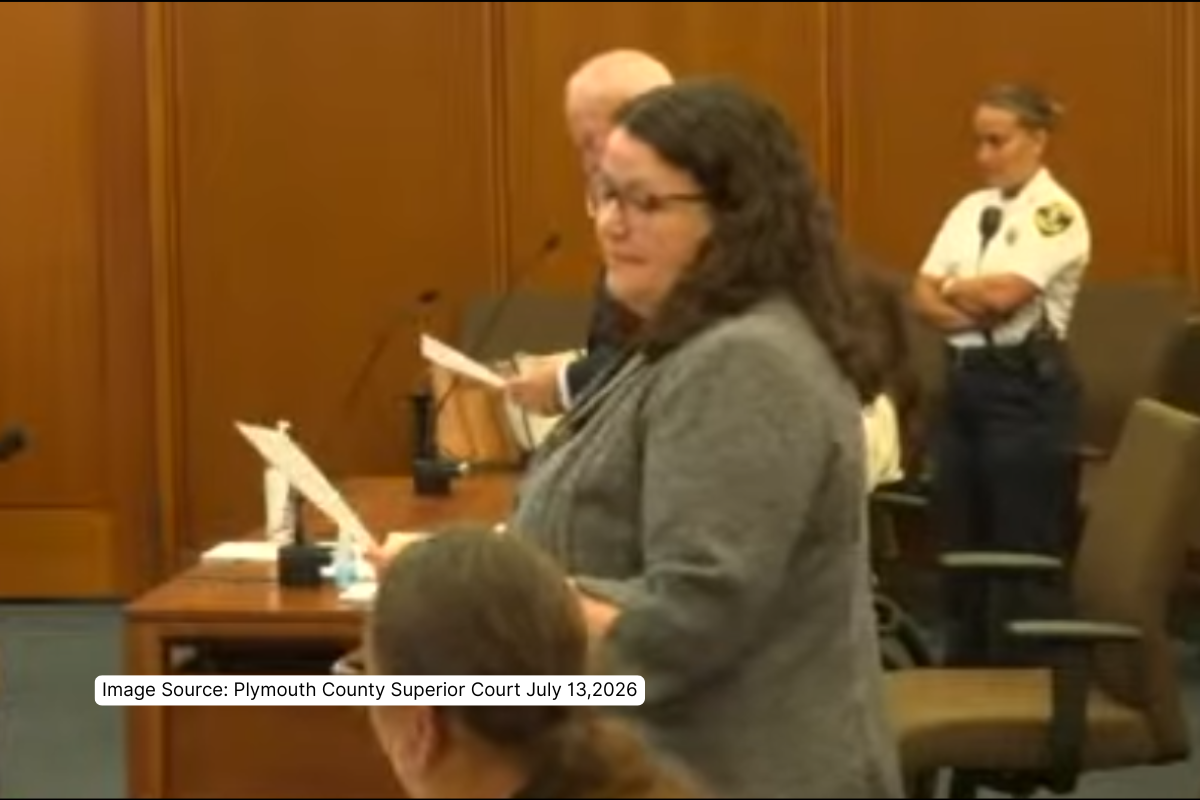 The Commonwealth, represented by Prosecutor Jennifer Sprague, proposed stipulations that could eliminate the need to call 31 laboratory witnesses, and Defense Attorney Reddington indicated he would probably agree because the mechanics of the killings are not disputed.
That tells us something very important. The trial is becoming even more narrowly focused on criminal responsibility. Instead of weeks spent establishing chain of custody and laboratory procedures, both sides appear willing to streamline all of that.
This reinforces something we’ve been saying for months: The trial isn’t going to be about what happened. It’s going to be about why it happened and whether Lindsay Clancy was legally responsible.
3. Reddington Made a Revealing Admission
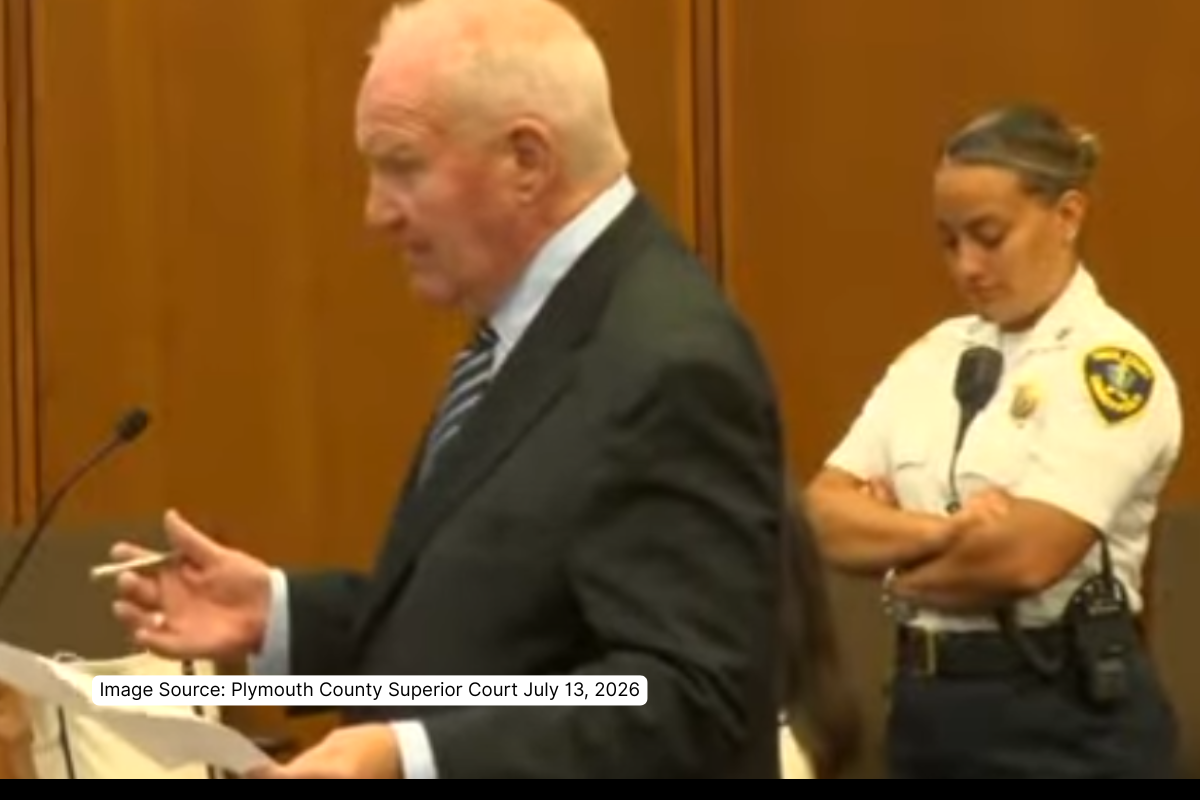 When discussing discovery, defense attorney Kevin Reddington stated, “I don’t believe there are literally any” statements from Lindsay Clancy to law enforcement.
That confirms something many people have wondered. There apparently were no significant police interviews or confessions after the incident.
Instead, the defense already possesses recordings of government psychiatric experts interviewing Clancy.
That means jurors may hear Lindsay’s own words primarily through psychiatric evaluations—not police interrogations.
That’s a subtle but important distinction.
4. The Defense Tipped Its Entire Trial Strategy
Reddington practically delivered his opening statement during this hearing. He repeatedly emphasized:
postpartum psychosis
command hallucinations
intrusive thoughts
medication effects
involuntary intoxication
women hearing voices
jurors not understanding postpartum illness
He even argued that jurors need to hear directly from women who experienced postpartum psychosis because ordinary people will instinctively think “Come on, you’re not hearing voices.” This signals that the defense intends to make this trial as much about educating jurors regarding postpartum psychosis as about Lindsay herself.
5. The Judge Appears Determined That Jurors Understand the Real Issue
 This was subtle but important. The prosecution objected to telling jurors early that criminal responsibility would be the central issue because technically that defense has not yet been established by evidence.
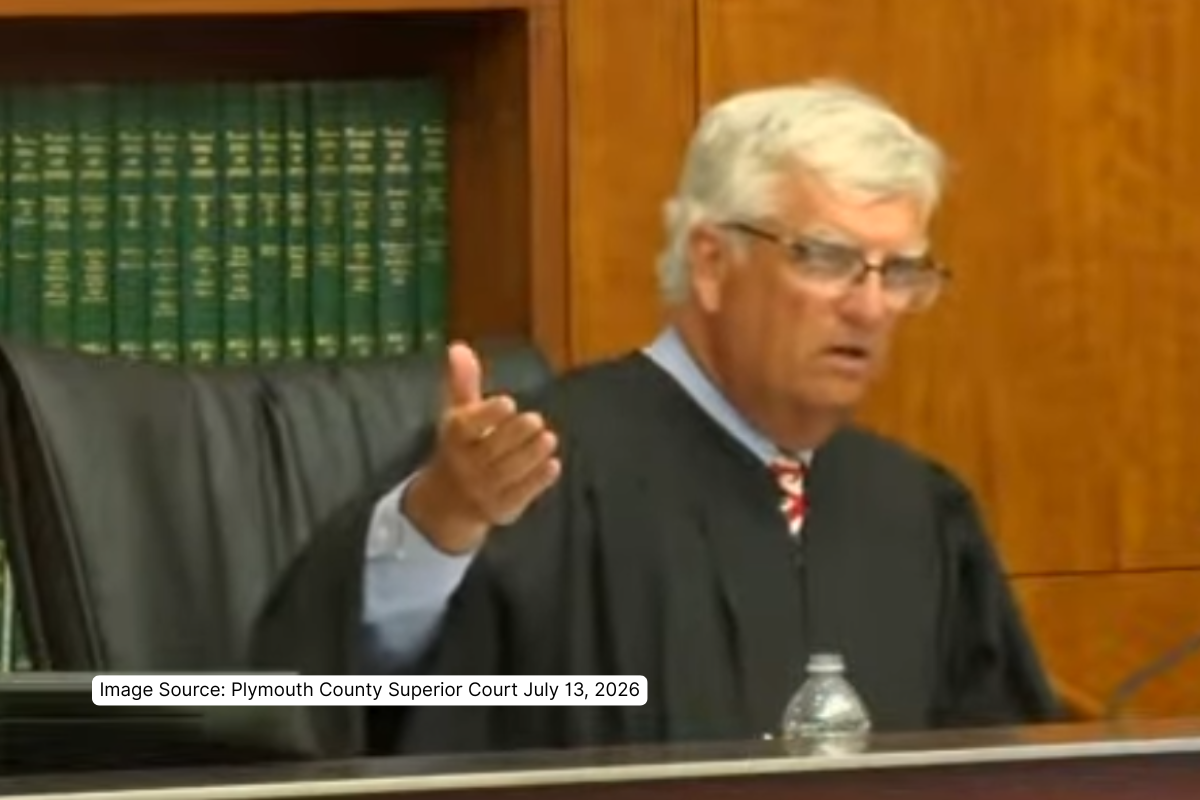
Judge William Sullivan wasn’t persuaded. Instead, he repeatedly said he intends to explain that the case centers on whether Lindsay lacked criminal responsibility and that jurors will hear evidence on that issue.
“…the question before you will be whether or not Miss Clancy was criminally responsible… The prosecution has the burden of proof. The prosecution must prove beyond a reasonable doubt that she was criminally responsible at the time that she killed her three children.”
That’s a meaningful ruling. It means jurors won’t spend the first week wondering “Why are we hearing all this psychiatric testimony?”
They’ll know from the beginning what question they’re eventually being asked to answer.
6. The Defense Tried to Humanize Postpartum Psychosis with Real Women
This was probably the most emotionally charged exchange. Reddington wanted to call women who personally experienced postpartum psychosis to testify about:
hearing command hallucinations
intrusive thoughts
medication effects
fear of harming children
He argued these experiences are so foreign that jurors need to hear them from actual sufferers. The prosecution responded that this would create “16 trials within this trial.”
The judge agreed with the prosecution.
Reddington appears deeply concerned that jurors simply won’t believe postpartum psychosis can produce these symptoms unless they hear ordinary women describe experiencing them. That says quite a bit about where the defense thinks its biggest hurdle lies.
7. Jury Selection is Going to Focus Heavily on Mental Health
The voir dire discussion may be more significant than many realize. Questions include whether jurors or close family members have experience with:
postpartum depression
depression
anxiety
bipolar disorder (the defense asked this be added)
psychiatric medications
mental health treatment
beliefs about insanity defenses
Reddington actually argued that these questions themselves might eliminate too many jurors with mental health experience.
The prosecution responded that mental health treatment alone would not disqualify anyone—only inability to remain fair and impartial.
That exchange provides an early preview of what both sides consider desirable jurors.
Also notable: The judge tying voir dire to criminal responsibility
When discussing jury selection, he questioned the prosecution:
“But then what’s the basis then for asking the jury in the impanelment questions about their position regarding the defense of criminal responsibility?”
That’s a revealing question because he’s pointing out the inconsistency: if you’re going to ask prospective jurors about criminal responsibility during voir dire, why shouldn’t they also understand that’s what the trial is about?
8. One interesting Line About the Jury View
Reddington told the judge that the home “does not look at all like it did before Lindsay and her family was living there.” That suggests the defense may later argue that the jury view has limited evidentiary value because the scene has materially changed.
9. The Judge is Trying Very Hard to Reduce Appellate Issues
Throughout the hearing the judge repeatedly:
asked to preview photographs
wanted to review the digital 3D model before trial
discussed waivers in advance
addressed preservation of objections
wanted precise language for stipulations
discussed colloquies personally
That’s the behavior of a judge building a careful appellate record. Given the stakes of this case, that’s notable. One exchange that really stood out: Reddington asked for the jury to be sequestered.
Not because he expected jurors to misbehave, but because he believes this case is so emotionally overwhelming and so heavily covered that jurors may struggle to avoid outside influence during what could be a 6–8 week trial.
The judge denied it, saying he will question jurors every single day about outside exposure. That daily reminder may become more important than people realize if media coverage intensifies once testimony begins.
The Biggest Takeaway
The case is becoming less about forensic evidence and more about mental state. Nearly every unresolved issue—jury questions, preliminary instructions, witness testimony, stipulations, and even the proposed statement of the case—revolved around one question: How should jurors think about criminal responsibility before they hear the evidence?
That’s a much bigger story than the dropped charges. In many ways, the July 13th hearing showed both sides trying to shape the lens through which jurors will interpret every piece of evidence that follows.
Viewed individually, many of these rulings may appear procedural. Taken together, however, they reveal the roadmap for the trial ahead.
The prosecution is streamlining much of the forensic evidence, narrowing the presentation to avoid unnecessary disputes while keeping the focus on proving criminal responsibility. The defense, meanwhile, is preparing to educate jurors about postpartum psychosis, psychiatric medications, and the realities of severe mental illness in an effort to explain why Lindsay Clancy should not be held criminally responsible under Massachusetts law.
Perhaps most telling, the judge repeatedly emphasized the importance of ensuring jurors understand the central issue before testimony even begins. Jury selection, preliminary instructions, expert testimony, and evidentiary rulings are all being shaped around that single question of criminal responsibility.
Although the parties disagreed over exactly how much jurors should be told before opening statements, Judge Sullivan repeatedly indicated that he intends to orient jurors to the central question of the case from the outset. At one point, he said he was “probably going to give something similar” to an instruction explaining that “the question before you will be whether or not Miss Clancy was criminally responsible,” adding that he wanted “to kind of tell them that’s the issue.”
As opening statements approach, one thing is becoming increasingly clear: this trial will not be a debate over who caused the deaths of Cora, Dawson, and Callan Clancy. It will be a debate over one of the most difficult questions in criminal law—whether Lindsay Clancy possessed the legal capacity to be held criminally responsible when those tragic events occurred.
Related Articles
Lindsay Clancy Mistrial – Jurors Speak Out
PLYMOUTH, Mass. – Five jurors have now explained their reasoning after the mistrial. Their interviews reveal how they viewed the evidence, the experts, Lindsay Clancy—and the lone juror who refused to agree. The Lindsay Clancy murder trial ended without a verdict. But...
Lindsay Clancy Murder Trial: Beyond Reasonable Doubt. vs. Reasonable Doubt
Related Articles Related
Lindsay Clancy Jury Deadlock: Did Jurors Understand the Instructions?
PLYMOUTH, Mass. – After days of deliberations and two messages informing Judge William Sullivan that they have been unable to reach a unanimous decision, the twelve jurors deciding the fate of Lindsay Clancy are clearly struggling to agree. But what, exactly, are they...