
Lindsay Clancy Case Discovery Nears Completion as Witness Lists Revealed
Prosecutor and Defense Reveal Witnesses as Jury View of the Clancy Home May Be Contested
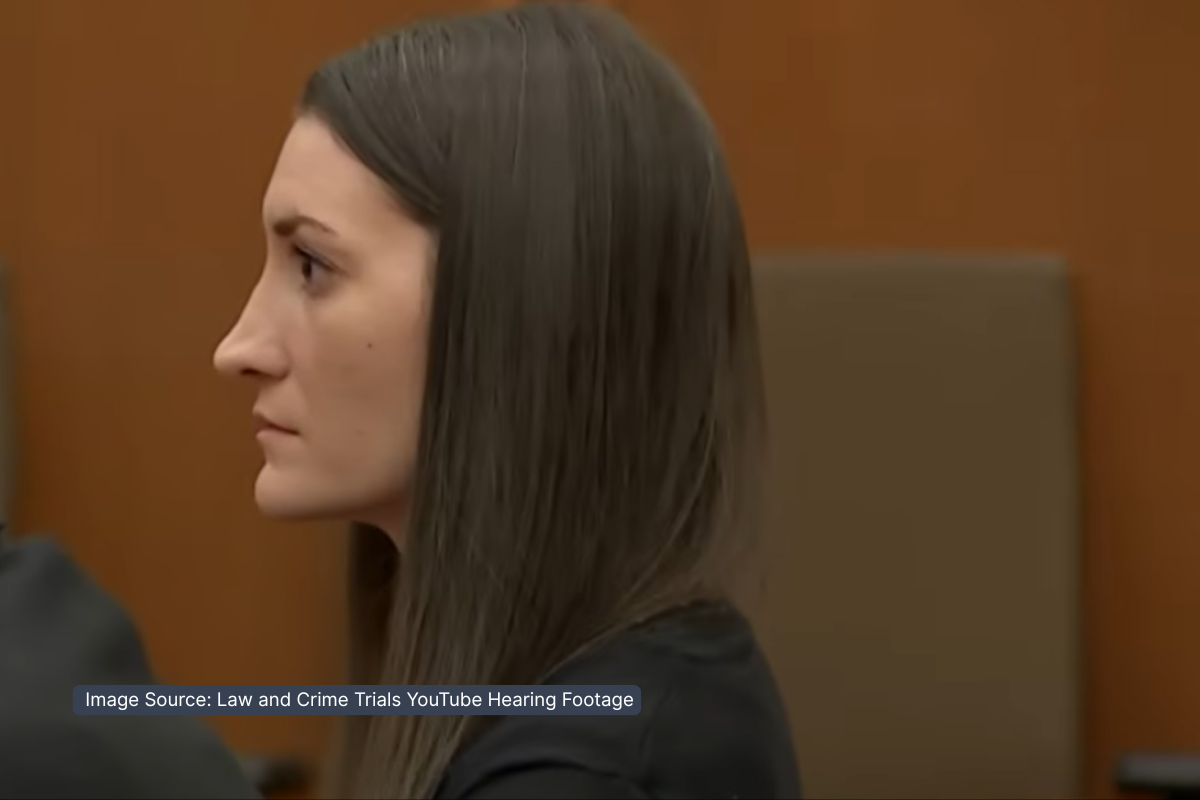
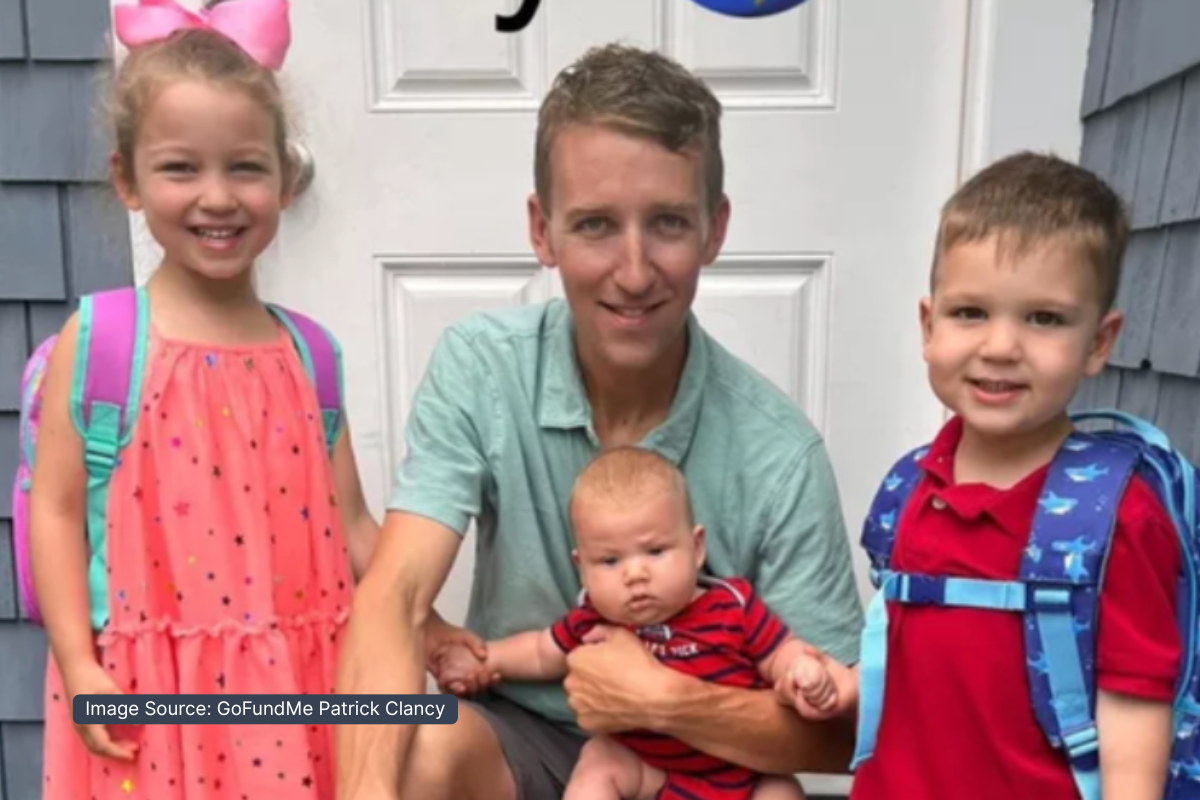
The criminal case against Lindsay Clancy, the former Massachusetts labor and delivery nurse accused of killing her three young children in their Duxbury home in January 2023, moved another step closer to trial during a status conference held on May 28.
While recent headlines focused on the large number of potential witnesses identified by both sides, the hearing revealed that the case has largely moved beyond discovery and into final trial preparation.
The Hearing Confirmed Discovery Is Essentially Finished
This may be the most important procedural development of all.
At the hearing, prosecutors stated that only two examiner reports remained outstanding and that discovery would effectively be complete once those reports were received. The final toxicology information from the children’s autopsies had also been produced.
That means the parties are no longer spending most of their time gathering evidence. They are now preparing to present it. That’s a major transition point in any criminal case. The focus shifts from “What happened?” to “How do we explain what happened to a jury?”
The Witness Count Needs Context
When trial watchers see 168 prosecution witnesses and 50 defense witnesses, they immediately picture over 200 people taking the stand. That’s probably not what is going to happen.
The Commonwealth disclosed a tentative witness list containing approximately 168 potential witnesses. However, the prosecutor specifically explained that many of the Commonwealth’s witnesses are laboratory and foundational witnesses who appear on the list solely because Massachusetts evidentiary rules may require them to establish chain of custody and testing procedures. The example discussed in court involved NMS Labs, where prosecutors estimated they could potentially need approximately twelve separate witnesses just to introduce certain testing results.
That explanation completely changes how viewers should interpret the witness list.
Reddington Quietly Told Us What He Isn't Fighting About
Defense attorney Kevin Reddington indicated that the defense expects to call approximately 50 witnesses and noted that many overlap with the Commonwealth’s witness list. He also stated that he would not require prosecutors to bring in numerous out-of-state laboratory witnesses to establish chain-of-custody evidence, signaling that toxicology procedures are unlikely to become a major point of dispute at trial.
This was one of the most revealing moments of the hearing. Reddington stated that while he could require prosecutors to bring in every chain-of-custody witness connected to the blood testing process, he has no intention of doing so because those issues are not material to his defense.
That is significant because it gives us a glimpse into what the defense believes will matter most to jurors—and what it does not.
Defense attorneys generally do not concede points they believe can help them. His comments strongly suggest the defense is not planning to challenge the laboratory procedures, chain of custody, or toxicology testing itself.
In other words, this trial does not appear to be heading toward a forensic battle. It appears headed toward a mental-state battle.
Shop Our Merch!
Only Trial Junkies and True Crime Addicts will understand this merch: Courtroom Chaos, Media Frenzy, Forensic and LEO Series available in tees, hoodies, caps, totes, and mugs. Check them out!
The Tone Between the Parties Was Unexpected
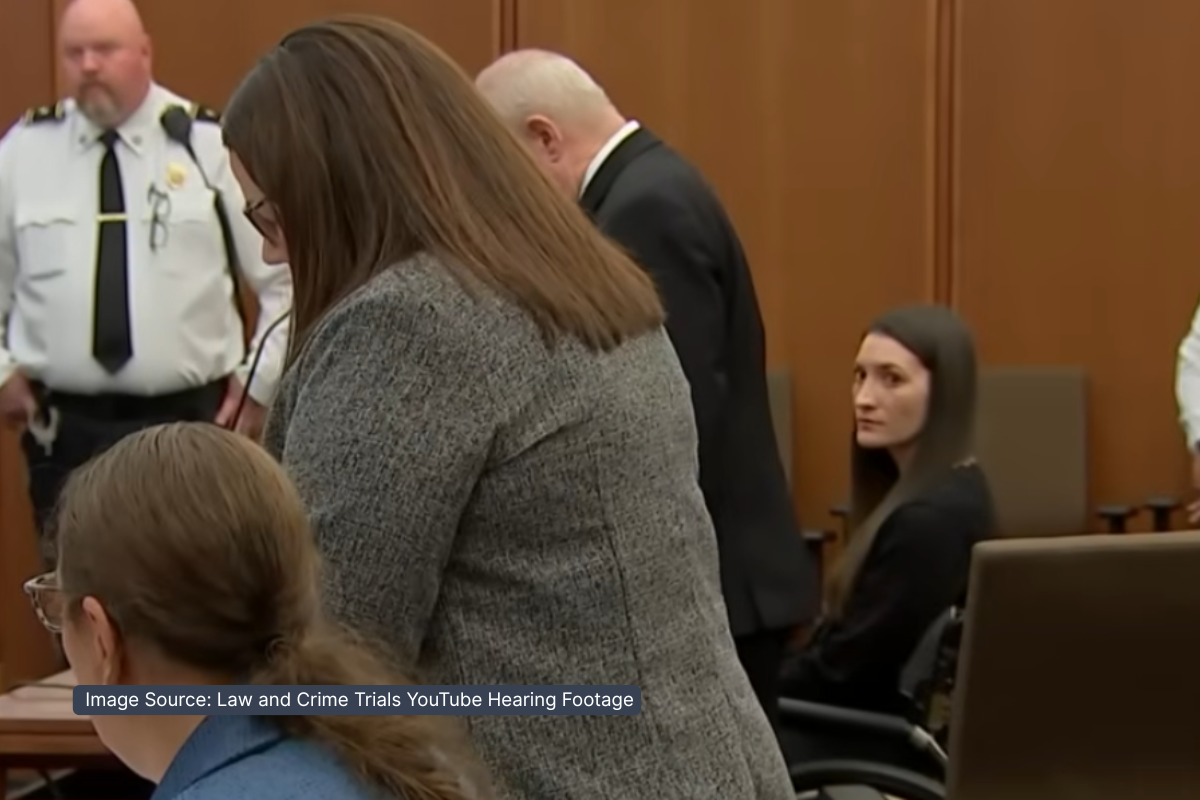
Perhaps most notable was the overall tone of the hearing. Both sides reported cooperative discovery efforts. In fact, Reddington openly complimented prosecutors, describing them as responsive and accommodating throughout the discovery process.
He specifically referenced receiving regular discovery updates and being given access to inspect physical evidence. That level of cooperation suggests both sides have largely obtained the information they need and are preparing for trial rather than fighting over access to evidence.
Many high-profile cases become mired in discovery disputes, accusations of withheld evidence, and contentious courtroom exchanges. That was not the atmosphere here.

The Homeowner Issue Could Become More Important Than People Realize
Most news stories mentioned the jury-view dispute almost in passing. But it could become one of the more consequential pretrial rulings.
This issue is likely to receive significant attention before jury selection in the prosecution’s request for jurors to view the former Clancy residence in Duxbury. Prosecutors informed the court that the current homeowner intends to oppose a jury visit to the former Clancy residence and has retained counsel. The issue is expected to be argued during the June 18 hearing.
The Commonwealth will likely argue that a jury view would help jurors better understand the physical layout of the home, including distances between rooms, stairways, lines of sight, and other spatial relationships that may be difficult to fully appreciate through photographs, diagrams, or testimony alone.
Critics of jury views, however, argue that visiting a crime scene years after the fact may have limited evidentiary value when the location has changed significantly. The Clancy home is no longer preserved as it existed on January 24, 2023. Different owners now live there, the furnishings have changed, and the home no longer reflects the environment that existed at the time of the crimes.
There is also the question of emotional impact. While jurors are instructed to base their verdict solely on the evidence presented in court, physically standing in the location where three children lost their lives may create a far different experience than viewing photographs or diagrams in a courtroom. Some legal observers argue that such visits risk introducing an emotional component that could influence how jurors perceive the evidence.
A related concern is that a jury’s view may create a false sense of certainty. Jurors may feel they have gained a complete understanding of the events simply by seeing the home firsthand, even though they are viewing a property that has changed over time and cannot fully recreate the circumstances that existed on the day of the killings.
Supporters of a jury view counter that the purpose is not to recreate the crime scene or introduce new evidence, but rather to help jurors better understand testimony and evidence that will be presented during trial.
The judge’s decision could provide an early indication of how he balances the potential value of a jury view against concerns regarding prejudice, practicality, and the passage of time since the events occurred.
Shop Our Merch
Only Trial Junkies and True Crime Addicts will understand this merch: Courtroom Chaos, Media Frenzy, Forensic and LEO Series available in tees, hoodies, caps, totes, and mugs. Check them out!
Shop Our Merch
Only Trial Junkies and True Crime Addicts will understand this merch: Courtroom Chaos, Media Frenzy, Forensic and LEO Series available in tees, hoodies, caps, totes, and mugs. Check them out!
What May Be the Most Important Documents in the Entire Case
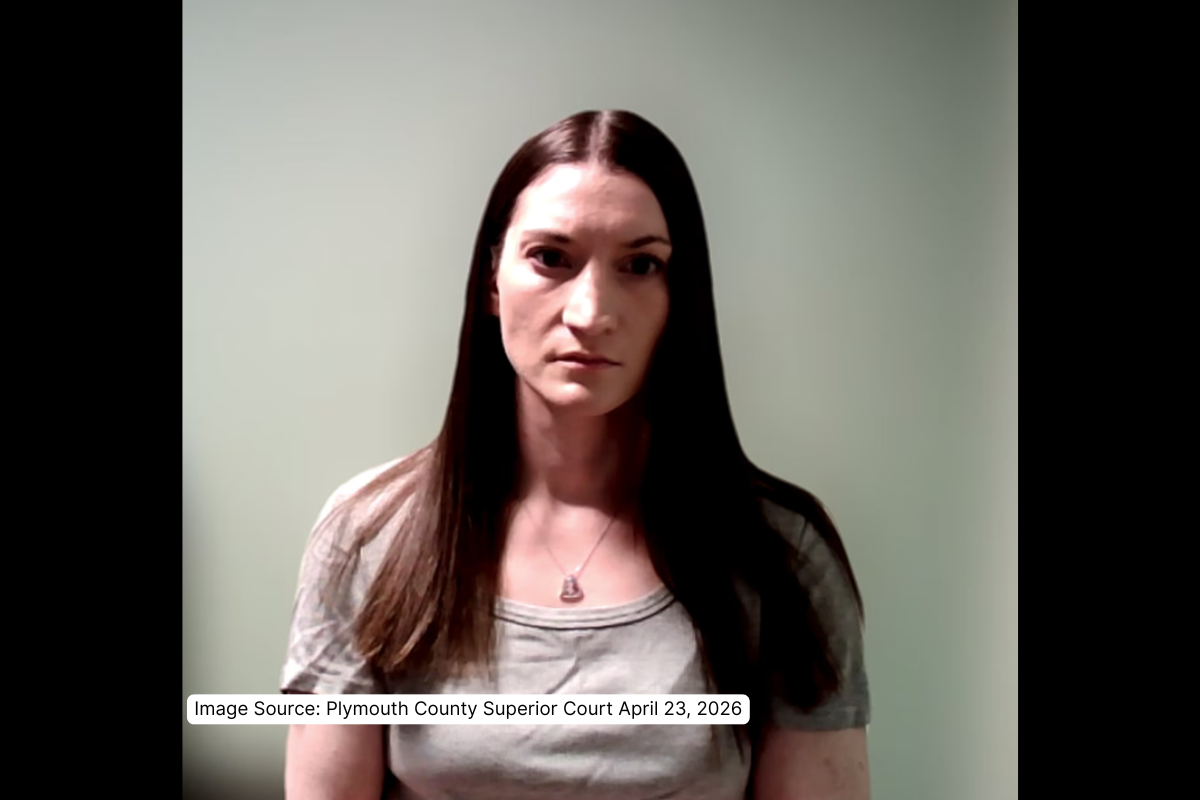
Buried in the discussion was a reference to three examiner reports, with two still pending at the time of the hearing. Dr. Mack was still working on his report, and Dr. Satov was scheduled to interview Lindsay the next day before completing his report. Those reports may ultimately carry more weight than any witness list.
The central issue in this case is not whether Lindsay Clancy caused the deaths of her children. The central issue is whether she was criminally responsible when she did so.
The examiner reports are likely to address the very questions that will define the trial:
What was Lindsay Clancy’s mental condition?
Was she suffering from a mental disease or defect?
What symptoms existed before the killings?
What symptoms were documented afterward?
How do the experts interpret the medical records, witness accounts, and evaluations?
The reports have also become the subject of growing speculation on social media, with some suggesting that a third psychiatric evaluation could ultimately decide the outcome of the case. While that likely overstates the importance of any single expert opinion, the evaluations are expected to play a significant role in the competing arguments regarding Clancy’s mental state. Ultimately, the jury will hear testimony from multiple experts, treating providers, and other witnesses before deciding which interpretation of the evidence is most credible.
For anyone closely following the case, those reports may prove far more significant than the raw number of witnesses expected to testify.
The next major court date is June 18, when the court is expected to address motions in limine, jury-selection procedures, the proposed jury view of the home, and the status of the remaining expert reports. Lindsay Clancy is expected to appear in person.
Trial remains scheduled to begin July 20, 2026.
Related Articles
Lindsay Clancy Mistrial – Jurors Speak Out
PLYMOUTH, Mass. – Five jurors have now explained their reasoning after the mistrial. Their interviews reveal how they viewed the evidence, the experts, Lindsay Clancy—and the lone juror who refused to agree. The Lindsay Clancy murder trial ended without a verdict. But...
Lindsay Clancy Murder Trial: Beyond Reasonable Doubt. vs. Reasonable Doubt
Related Articles Related
Lindsay Clancy Jury Deadlock: Did Jurors Understand the Instructions?
PLYMOUTH, Mass. – After days of deliberations and two messages informing Judge William Sullivan that they have been unable to reach a unanimous decision, the twelve jurors deciding the fate of Lindsay Clancy are clearly struggling to agree. But what, exactly, are they...