
David Anthony Burke Charges Filed By DA
While Everyone Was Chasing Noise, the Case Was Being Built
When news broke that charges had finally been filed against David Anthony Burke, many reacted with surprise.
They shouldn’t have.
Because while much of the public—and some corners of the media—were focused on speculation, rumors, and supposed infighting between agencies, the reality was something far less dramatic and far more important:
The case was being built.
And now, we have confirmation—directly from the Los Angeles County District Attorney, Nathan Hochman—that there was no conflict between the LAPD and the DA’s Office. In fact, both agencies worked “in lockstep” throughout the investigation, from the earliest stages through the arrest and filing of charges.
That single statement dismantles one of the most persistent narratives surrounding this case.
But it also reveals something deeper about how high-profile investigations actually work—and why the public so often gets it wrong.
The Narrative vs. Reality
In the months leading up to this moment, the vacuum of information created its own story.
Speculation filled the gaps:
Did the Grand Jury refuse to bring an indictment?
Why hadn’t charges been filed yet?
Was the case too weak?
Was there tension between law enforcement and prosecutors?
Had the investigation stalled?
These questions weren’t unreasonable—but many of the answers circulating online were.
The idea that the LAPD and the District Attorney were at odds gained traction, fueled by commentary and amplified through social media. It was a compelling narrative.
It just wasn’t true.
What we now know is that the investigation was a coordinated effort, carried out jointly and deliberately, with a singular goal: building a case that could hold up in court.
Why This Case Took Time
From the outside, delays can feel like dysfunction. Inside a homicide investigation, they often mean the opposite. According to law enforcement officials, this case presented significant challenges from the start:
The victim’s remains were severely decomposed, delaying the ability to determine cause of death.
There was a substantial gap in time between the alleged killing and the discovery of the body.
Critical physical evidence had degraded or disappeared.
Investigators had to sift through a large volume of digital and forensic evidence.
Public speculation introduced false leads and misinformation that had to be ruled out.
None of this is fast work. And none of it can be rushed without risking the integrity of the case.
This is the part the public rarely sees: building a prosecutable case is not about speed—it’s about precision. Every decision made during the investigation must withstand scrutiny in a courtroom, not just in the court of public opinion.
Silence, in this context, is a strategy.
The Charges Tell a Story
The charges filed against Burke are not tentative. They are sweeping, severe, and highly specific.
He is charged with:
First-degree murder with special circumstances
Continuous sexual acts with a minor under 14
Lewd and lascivious acts
Mutilation of human remains
The “special circumstances” attached to the murder charge are particularly significant:
Lying in wait
Committing the crime for financial gain
Killing a witness
These are not routine enhancements. They signal a prosecution theory that is both intent-driven and highly structured. If proven, they elevate the case to one that is eligible for life without parole or the death penalty. But they also come with a burden.
Each of these allegations must be proven beyond a reasonable doubt—not just the act itself, but the motive, the planning, and the surrounding circumstances. This is not a case built on assumption. It is a case that prosecutors believe can be proven, piece by piece, in front of a jury.
Shop Our Merch!
Only Trial Junkies and True Crime Addicts will understand this merch: Courtroom Chaos, Media Frenzy, Forensic and LEO Series available in tees, hoodies, caps, totes, and mugs. Check them out!
Shop Our Merch
Only Trial Junkies and True Crime Addicts will understand this merch: Courtroom Chaos, Media Frenzy, Forensic and LEO Series available in tees, hoodies, caps, totes, and mugs. Check them out!
A Timeline Hidden in the Charges
Beyond the severity of the charges themselves, court records reveal something even more telling: a developing timeline.
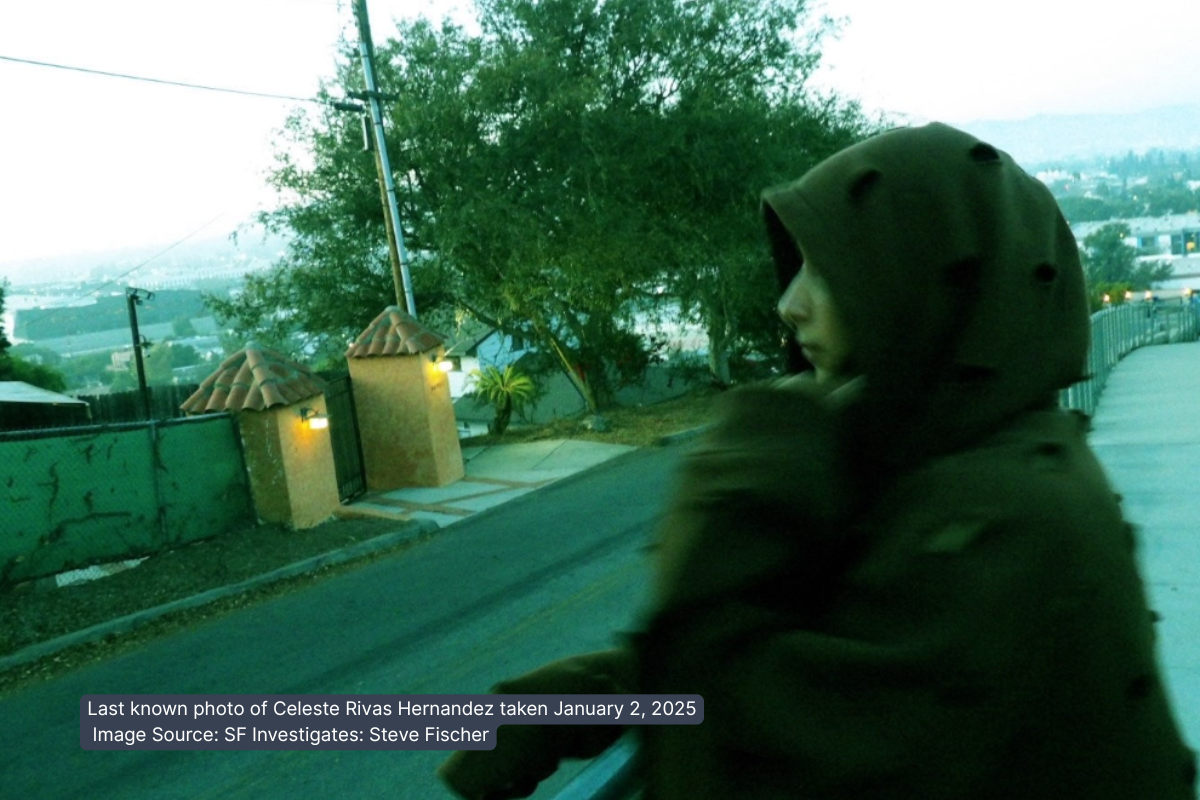
According to the filed charges, the alleged murder is tied to April 23, 2025—the last known date Celeste Rivas was seen alive. But a separate charge—mutilation of human remains—lists a different offense date: May 5, 2025.
That distinction matters.
Prosecutors are not simply alleging that a crime occurred—they are assigning specific acts to specific points in time. In most cases, that level of detail reflects supporting evidence, whether digital, forensic, or testimonial, that investigators believe can withstand scrutiny in court.
Just as importantly, the separation of dates suggests that the alleged killing and the handling of the body were not simultaneous events.
If proven, that gap could support a broader narrative:
That there was continued involvement after the victim’s death
That actions were taken deliberately to conceal or destroy evidence
And that the case is not confined to a single moment, but extends into what happened in the days that followed
For jurors, timelines matter. They provide structure. They help distinguish between impulse and intent, between a single act and a sequence of decisions.
And in this case, the timeline may ultimately become one of the most important pieces of the prosecution’s argument.
The Risk of Getting It Wrong—Before the Trial Even Begins
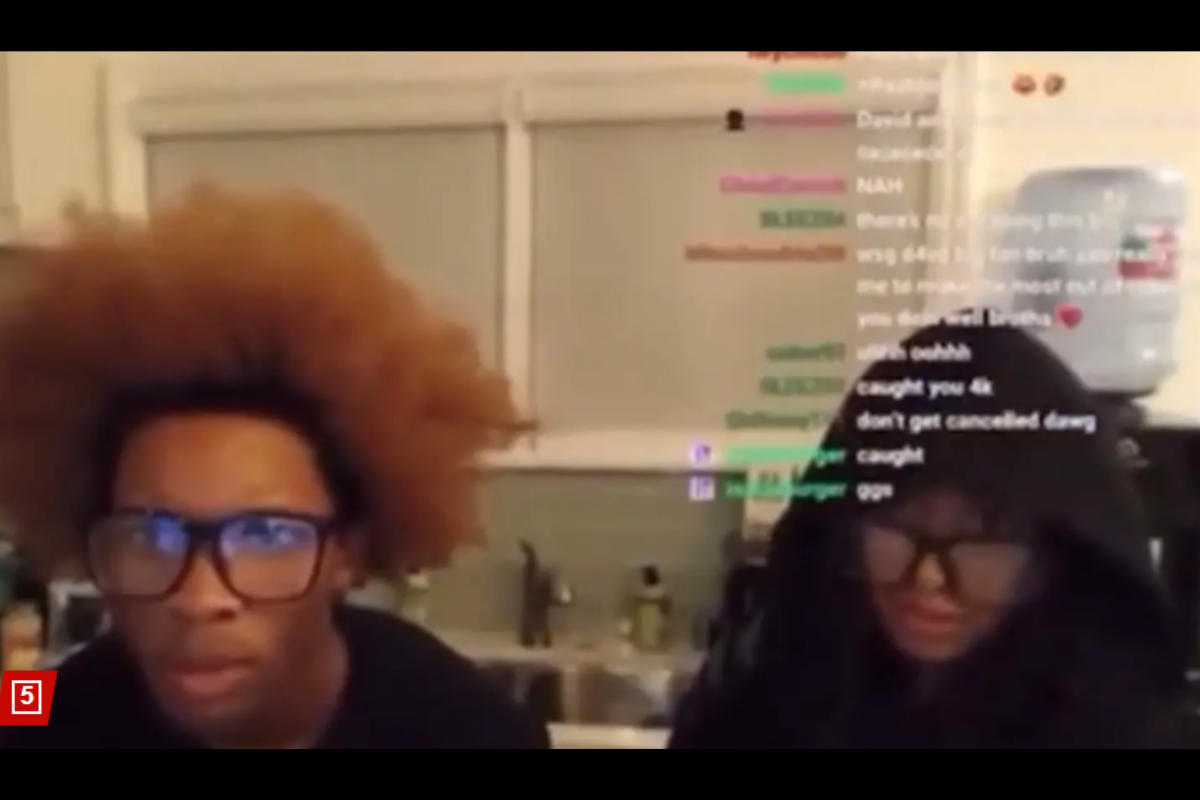
One of the more overlooked challenges in modern criminal cases isn’t just evidence. It’s information. Or more accurately—misinformation.
High-profile cases now unfold in parallel: One in the courtroom; One online. And the online version often moves faster, louder, and with far fewer guardrails.
In this case, rumors about agency conflict, witness involvement, and alternate theories circulated widely—despite little to no confirmed evidence. Some of those narratives took hold so strongly that they began to shape public perception of the case itself.
Because once a narrative takes root, it’s difficult to correct—even when official information contradicts it.
Law enforcement addressed this directly, emphasizing that part of their restraint was intentional: speaking too soon or too broadly could have compromised the investigation. In other words, the absence of information was part of the process.
What Happens Next
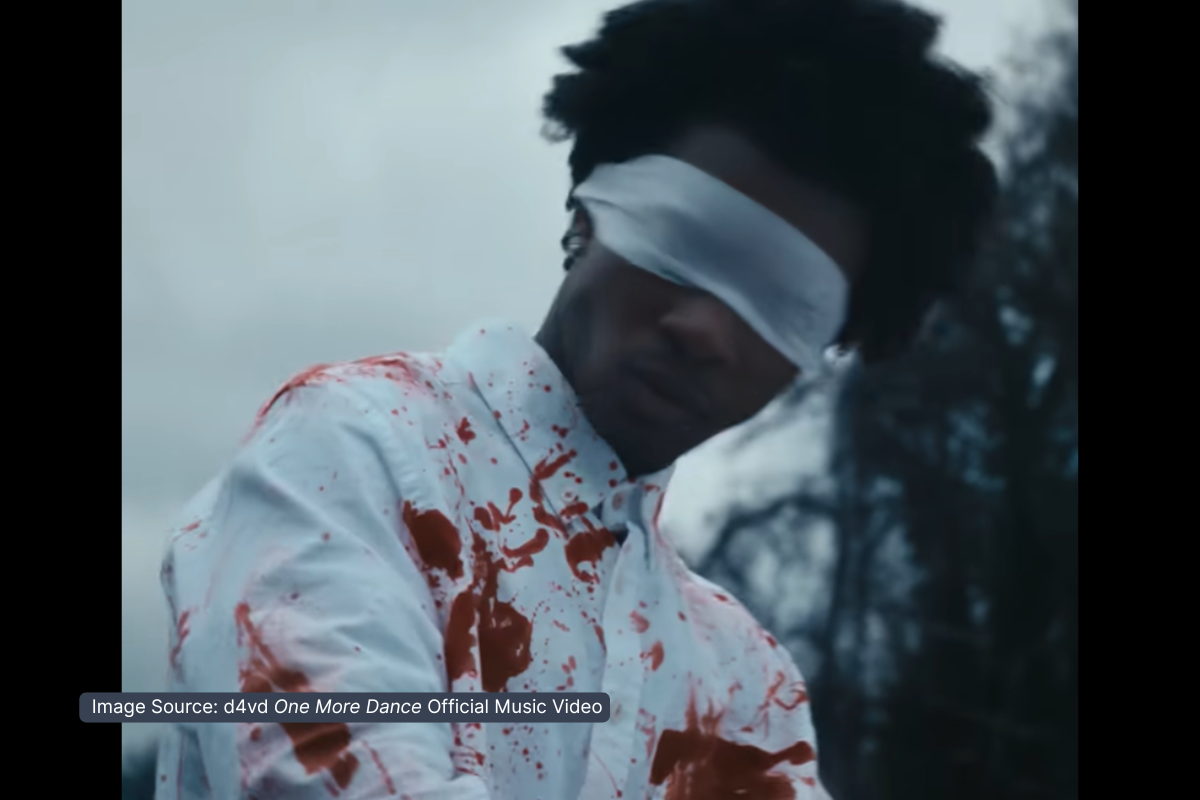
With charges now filed, the case enters a new phase. David Anthony Burke appeared in court today for his arraignment and pleaded “not guilty”.
During arraignment, the defense invoked California’s “10 of 10” rule, which requires a preliminary hearing to be held within 10 court days. April 23 was identified as “3 of 10,” meaning it falls on the third court day within that statutory window.
The defense’s push for a rapid preliminary hearing suggests a strategy to force early disclosure of evidence, while prosecutors indicated they are prepared to proceed, even on an accelerated timeline.
The focus now shifts from investigation to prosecution:
Preliminary hearings
Evidence challenges
Motions and legal strategy
And eventually, if it proceeds, a jury trial
This is where the case will be tested—not by speculation, but by evidence. Prosecutors will need to prove every element of their case. The defense will challenge it at every step.
And a jury will ultimately decide what is fact, what is inference, and what remains unproven.
Moving Forward—With Clarity
The filing of charges doesn’t just mark progress in the case. It also offers clarity.
Clarity about what investigators were doing during months of silence.
Clarity about the relationship between the LAPD and the District Attorney.
Clarity about the seriousness—and structure—of the case now being brought forward.
For those watching closely, one thing is now undeniable:
While everyone was chasing noise…
The case was being built.
Shop Our Merch
Only Trial Junkies and True Crime Addicts will understand this merch: Courtroom Chaos, Media Frenzy, Forensic and LEO Series available in tees, hoodies, caps, totes, and mugs. Check them out!
Related Articles
Celeste Rivas Hernandez Family Sues d4vd: What the 20-Page Lawsuit Actually Alleges
LOS ANGELES - The family of Celeste Rivas Hernandez has opened a second legal front against singer David Anthony Burke, better known as D4vd. Celeste's parents, Mercedes Martinez and Jesus Edgardo Rivas Alvarado, have filed a sweeping 20-page civil complaint in Los...
David Anthony Burke (d4vd) Preliminary Hearing Day 5: Judge Orders Singer to Stand Trial
Courtroom Drama The fifth and final day of David Burke's preliminary hearing shifted from introducing new evidence to bringing together the digital, forensic, and witness testimony presented over the...
David (d4vd) Anthony Burke Preliminary Hearing Day 4
Courtroom Atmosphere Day 4 focused primarily on forensic pathology and digital evidence. The morning was dominated by testimony from the Los Angeles County Medical Examiner, who detailed the autopsy...