
Inside the Lindsay Clancy Civil Suits
Medications, Psychosis Allegations, and the Defense Strategy Emerging Before Trial
A Tragedy That Sparked a Criminal Trial and Two Civil Lawsuits by a Defendant
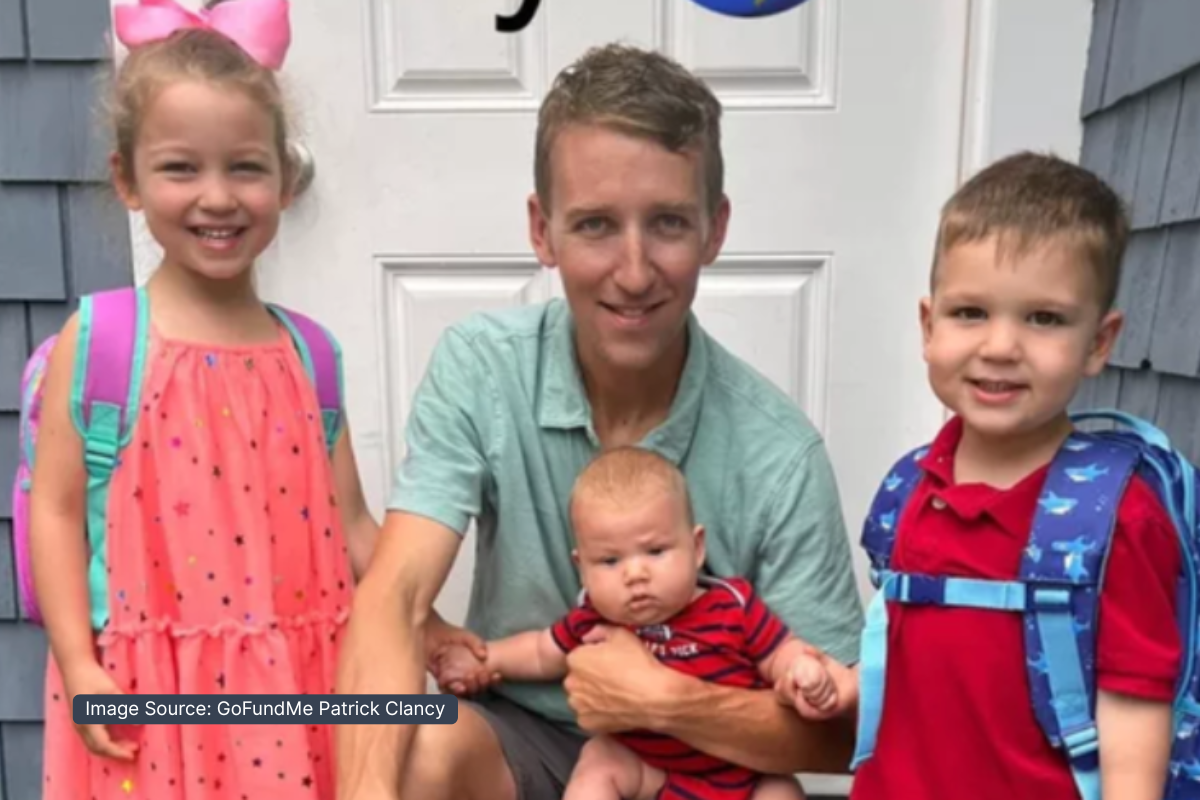
Before the lawsuits, before the psychiatric debates, before the arguments over medications, diagnoses, and legal responsibility, there were three children: five-year-old Cora, three-year-old Dawson, and eight-month-old Callan Clancy. Their deaths shocked the nation not only because of their unimaginable brutality, but because the tragedy unfolded inside what outwardly appeared to be an ordinary, loving family home.
Now, as the criminal case against Lindsay Clancy moves closer to trial, newly unfolding civil lawsuits are revealing a far darker and more complicated picture — one filled with escalating mental health warnings, sleepless nights, powerful psychiatric medications, alleged hallucinations, and mounting claims that multiple medical providers failed to recognize a catastrophic psychiatric collapse before it was too late.
One lawsuit was filed by Patrick Clancy on behalf of the estates of the couple’s three children — Cora, Dawson, and Callan — alleging that Lindsay’s psychiatric providers failed to properly recognize and treat her rapidly deteriorating mental condition.
The second lawsuit was filed by Lindsay Clancy herself, alleging that multiple medical providers failed to diagnose postpartum psychosis and bipolar disorder, while subjecting her to a dangerous and poorly coordinated course of psychiatric medications that allegedly worsened her condition.
Together, the lawsuits provide a detailed timeline of Lindsay Clancy’s mental health treatment in the months leading up to the deaths of her three children on January 24, 2023 — and they strongly foreshadow the themes likely to dominate the upcoming criminal trial.
An Emerging Defense Theory
The lawsuits repeatedly advance a central argument: that Lindsay Clancy was not simply suffering from depression or anxiety, but from an evolving bipolar-spectrum disorder with postpartum psychosis that providers failed to recognize.
According to the complaints, Clancy’s treatment became increasingly complicated by “polypharmacy” — the use of multiple psychiatric medications from different providers — allegedly obscuring an accurate diagnosis and worsening her symptoms.
The filings describe:
severe insomnia
racing thoughts
emotional blunting
dissociation
paranoia
suicidal ideation
intrusive thoughts
eventually auditory command hallucinations
The lawsuits claim providers repeatedly viewed Lindsay through a depression-and-anxiety framework while missing signs of bipolar disorder and psychosis. That distinction matters enormously.
In psychiatry, antidepressants can sometimes trigger activation, mania, or hypomania in individuals with underlying bipolar disorder. The complaints repeatedly characterize Lindsay’s reactions to antidepressants as warning signs of precisely that phenomenon.


The Medication Timeline
The civil filings lay out an extensive timeline of psychiatric medications prescribed during Lindsay Clancy’s treatment.
Zoloft (Sertraline)
Dr. Jennifer Tufts initially prescribed Zoloft in September 2022 after diagnosing Lindsay with generalized anxiety disorder and chronic adjustment disorder with depressed mood.
According to the complaint, after increasing the dosage from 25 mg to 50 mg, Lindsay allegedly:
did not sleep for 48 hours
developed racing thoughts
experienced worsening anxiety
felt “paranoid of getting suicidal thoughts”
The lawsuit characterizes this as antidepressant “activation” consistent with bipolar disorder.
“Antidepressant activation” is a term used to describe a paradoxical reaction in which an antidepressant — particularly SSRIs like Zoloft or Prozac — appears to overstimulate or destabilize a patient instead of calming depression or anxiety.
Known side effects of SSRIs like Zoloft can include: insomnia, agitation, anxiety, emotional blunting, akathisia, (a movement disorder and neuropsychiatric syndrome characterized by a subjective feeling of intense inner restlessness and an uncontrollable urge to move), and, in rare cases, manic activation in vulnerable patients.
Prozac (Fluoxetine)
In November 2022, Lindsay was prescribed Prozac after continued complaints of severe insomnia and anxiety. The complaint alleges that after only four days on Prozac, her insomnia intensified dramatically. Prozac is another SSRI antidepressant that can sometimes produce activating effects, particularly early in treatment.
The lawsuit specifically argues that two antidepressants causing activation should have raised concerns about bipolar disorder.
Benzodiazepines and Sedatives
The filings also describe prescriptions for:
Ativan (lorazepam),
Klonopin (clonazepam),
Ambien (zolpidem),
Benadryl,
and trazodone.
These medications are commonly used for anxiety and sleep, but can also produce:
sedation
confusion
memory problems
dissociation
emotional flattening
impaired coordination
rebound symptoms when adjusted or discontinued
The lawsuits repeatedly emphasize Lindsay’s profound sleep deprivation — at times reportedly sleeping only three hours per night for extended periods.
Severe sleep deprivation itself can worsen:
mania
psychosis
emotional dysregulation
cognitive impairment
suicidal thinking
Seroquel (Quetiapine)
Perhaps the most heavily scrutinized medication in the complaints is Seroquel. Nurse practitioner Rebecca Jollotta allegedly prescribed Seroquel after recognizing what the complaint describes as a bipolar presentation.
After beginning Seroquel, Lindsay allegedly developed:
suicidal ideation
intrusive thoughts
emotional numbness
auditory hallucinations
The lawsuit states that Lindsay described hearing a voice saying: “I will not be the same. I want to die.”
Seroquel is an antipsychotic frequently used for bipolar disorder, depression augmentation, and sleep issues. While many patients tolerate it well, side effects can include:
sedation
emotional blunting
cognitive slowin,
dissociation
metabolic effects
The filings repeatedly suggest that Lindsay herself believed the medications were worsening her condition.
Shop Our Merch
Only Trial Junkies and True Crime Addicts will understand this merch: Courtroom Chaos, Media Frenzy, Forensic and LEO Series available in tees, hoodies, caps, totes, and mugs. Check them out!
The Hallucination Claims
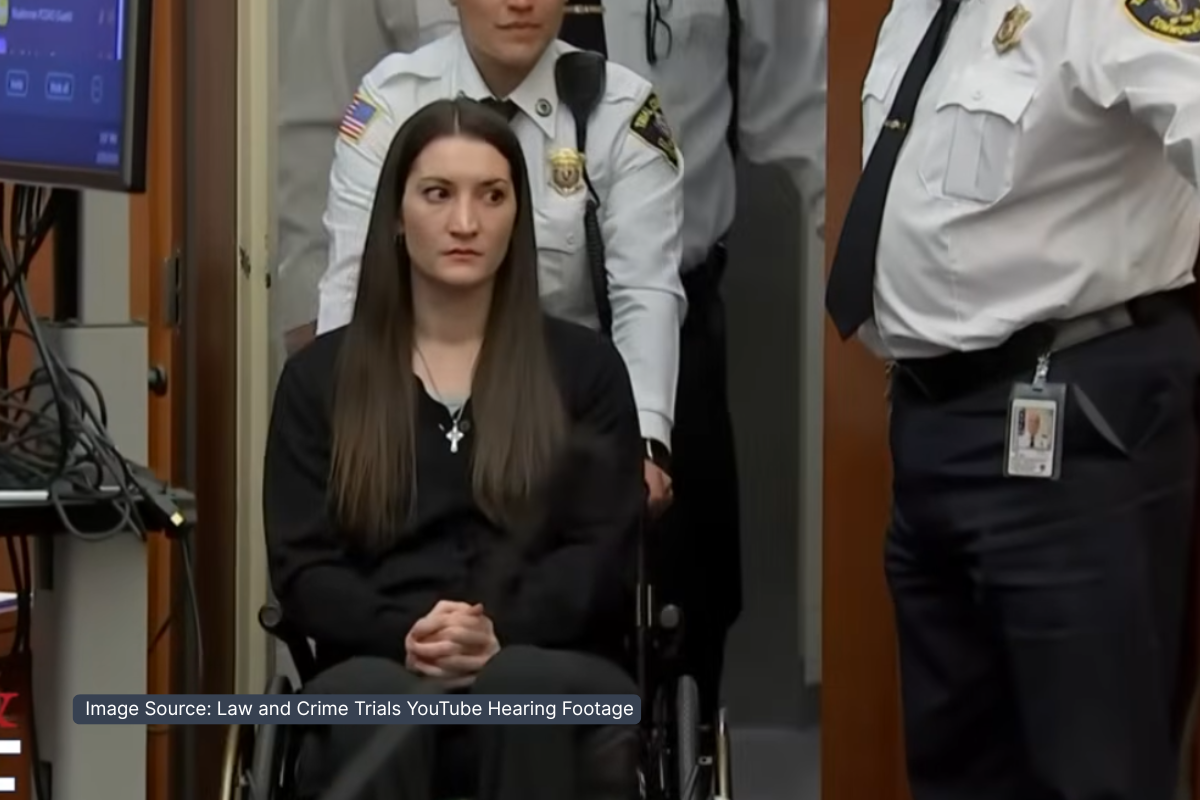
One of the most striking aspects of Lindsay’s lawsuit is the allegation that she experienced command auditory hallucinations prior to the killings. The complaint states that on January 24, 2023, Lindsay allegedly heard a “demanding, powerful male voice” instructing her to kill the children and then herself. The lawsuit claims she entered a dissociative “dream-like state” where her physical actions felt disconnected from conscious decision-making.
Those allegations appear highly significant because they align closely with a potential criminal defense centered on:
psychosis
lack of criminal responsibility
involuntary action
or inability to appreciate wrongfulness
The Expanding Civil Litigation
The litigation continues to expand. A recent amended complaint seeks to add additional defendants, including McLean Hospital psychiatrist Dr. Elizabeth Madva and counselor Letisha Dukes.
That expansion suggests Lindsay’s legal team is broadening the alleged failures beyond outpatient prescribing into
inpatient psychiatric care
discharge decisions
continuity-of-care breakdowns
coordination failures among providers
Meanwhile, Dr. Madva has already filed an opposition arguing the amended complaint contains insufficient factual allegations against her specifically.
The Questions That Remain
The lawsuits present a devastating portrait of psychiatric deterioration and alleged medical failure. But they also raise difficult unanswered questions.
If Lindsay’s symptoms were as severe as alleged,
How visible were those symptoms to the people around her?
Did providers fully appreciate the seriousness of her condition?
Did family members recognize psychosis developing?
Were the medications the primary driver of deterioration, or was an underlying psychiatric illness already escalating independently?
And perhaps the biggest question looming over both the civil and criminal proceedings: Could this tragedy realistically have been prevented?
Those questions are likely to become central issues as the criminal case moves closer to trial — and as both sides continue building competing narratives around one of the most disturbing and emotionally charged cases in recent memory.
Coming Next: A Closer Look at the Medications
Perhaps no aspect of the Lindsay Clancy case has generated more debate than the psychiatric medications she was prescribed in the months leading up to the deaths of her three children. While the civil lawsuits identify numerous medications prescribed over time, the prosecution has argued that only certain medications were actually present in Lindsay’s system on January 24, 2023—and at varying therapeutic, subtherapeutic, and toxic levels.
Those distinctions matter.
Being prescribed a medication is not the same as taking it. Likewise, medications prescribed months earlier are not necessarily the medications a patient is actively taking on a given day. According to the prosecution, Lindsay’s own medication journal reflected that she had been prescribed three medications at the time of the killings, while toxicology testing later detected seven prescription medications in her bloodstream at varying levels. Understanding how those two facts fit together—and whether they ultimately support the prosecution’s theory, the defense’s theory, or something more nuanced—is likely to become one of the most important and heavily contested aspects of both the civil and criminal cases.
In an upcoming article, Justice Case Analysis will examine each medication individually, including its intended purpose, common and serious side effects, potential interactions with other psychiatric drugs, and what the available toxicology evidence may—or may not—tell us about Lindsay Clancy’s mental state on the day of the killings.
Related Articles
Lindsay Clancy Mistrial – Jurors Speak Out
PLYMOUTH, Mass. – Five jurors have now explained their reasoning after the mistrial. Their interviews reveal how they viewed the evidence, the experts, Lindsay Clancy—and the lone juror who refused to agree. The Lindsay Clancy murder trial ended without a verdict. But...
Lindsay Clancy Murder Trial: Beyond Reasonable Doubt. vs. Reasonable Doubt
Related Articles Related
Lindsay Clancy Jury Deadlock: Did Jurors Understand the Instructions?
PLYMOUTH, Mass. – After days of deliberations and two messages informing Judge William Sullivan that they have been unable to reach a unanimous decision, the twelve jurors deciding the fate of Lindsay Clancy are clearly struggling to agree. But what, exactly, are they...