
Lindsay Clancy Murder Trial | Final CW Witness: Ian Whiffen Digital Forensics Expert
Prosecution's Final Witness Digital Forensics Expert Ian Whiffen reveals Lindsay Clancy’s phone movements, Apple Health Data, and Psychosis Searches in the Critical Hours Before Killing Her Three Children.
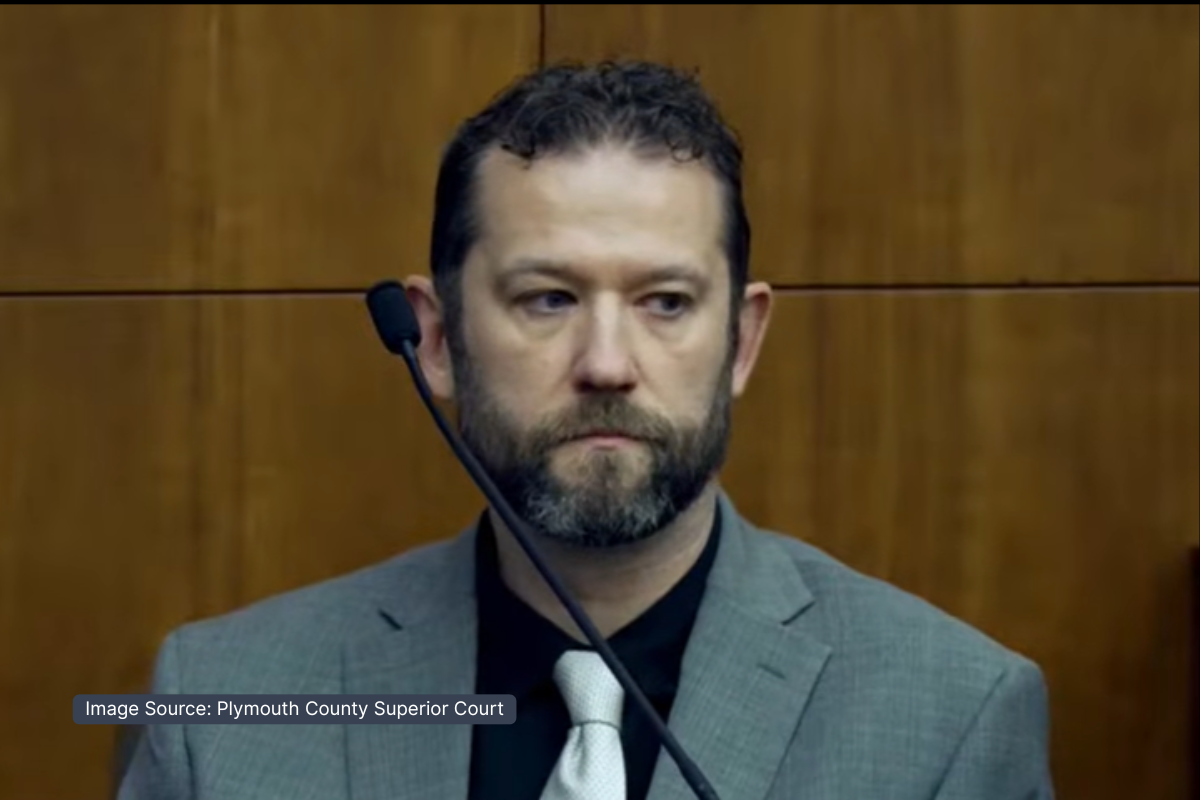
PLYMOUTH, Mass. – The Commonwealth concluded its case vs. Lindsay Clancy on Day 14 with Ian Whiffen, a digital-forensics expert with Cellebrite who analyzed data extracted from Lindsay Clancy’s iPhone. Although much of Whiffen’s testimony revisited familiar evidence—including text messages, Google searches and phone calls—his reconstruction of Apple Health and device-usage data provided a more precise timeline of activity inside the Clancy home during the critical period after Patrick left.
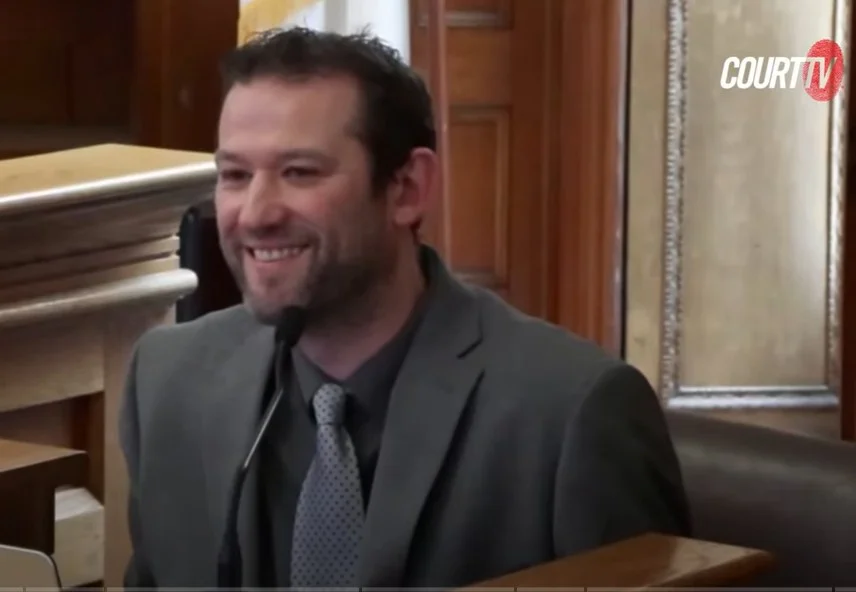
If the name Ian Whiffen sounds familiar, there is a good reason. Whiffen also testified as a digital forensics expert during the Karen Read trial, where he became part of one of the most fiercely debated pieces of digital evidence in that case: Jennifer McCabe’s infamous Google search, “hos long to die in cold.” The timing of that search became a major point of contention between the prosecution and defense, with competing experts offering very different interpretations of the underlying Safari data. Whiffen testified for the prosecution and explained why, in his analysis, the data did not establish that McCabe made the search at 2:27 a.m., hours before John O’Keefe was found in the snow. I covered Whiffen’s testimony and the technical dispute surrounding that search extensively during the Karen Read trial in this article here: Ian Whiffen Digital Expert Testifies | Karen Read Trial
Pinning down a timeline is why phone data can be crucial evidence in a trial.
What Lindsay Clancy’s Digital Data Revealed
Whiffen testified that Lindsay’s phone was last unlocked at approximately 5:13 p.m. She used Safari to search for Pedia-Lax and then sent Patrick a message at approximately 5:15 p.m. telling him what to purchase. The phone was then locked and never unlocked again that evening, although a missed call could still be returned from the lock screen.
The last heart-rate reading transmitted by Lindsay’s Apple Watch was recorded at 5:23:52 p.m., at 57 beats per minute. [Somewhat low for what may have been occurring at this moment.] Whiffen could not determine why the watch stopped transmitting heart-rate data; possibilities included removal of the watch, the device being turned off, or its battery dying.
The iPhone, however, continued recording movement.
At approximately 5:33 p.m., the phone recorded the completion of a flight of stairs. Patrick called Lindsay around the same time, but the call went unanswered. Approximately one minute later, Lindsay returned the call, which lasted about 14 seconds. Whiffen explained that she could have returned the missed call directly from the locked screen without unlocking the phone.
A second flight of stairs was recorded at approximately 5:38 p.m. Whiffen explained that the two stair events were grouped together by Apple Health but represented two separate climbs occurring several minutes apart. The data therefore indicate that the person carrying Lindsay’s phone completed one flight of stairs, remained on that level for a period of time during which the calls with Patrick occurred, and then completed another flight.
Whiffen could not determine what Lindsay was doing during those intervening minutes, nor could the phone data establish exactly when the children were harmed. The timing nevertheless gives the Commonwealth objective digital evidence of movement through the home during a critical period after Patrick’s departure.
The timing of Patrick’s errand also remains noteworthy. During Patrick’s earlier testimony, the jury heard that Lindsay sent the Pedia-Lax message at approximately 5:15 p.m. Patrick testified that CVS was only about a three-minute drive from the home. Surveillance video, however, showed him entering CVS at approximately 5:32 p.m. Patrick also sent a work email at 5:24 p.m., establishing that he was already out of the house by then. The testimony did not establish precisely where Patrick was during the interval before he entered CVS.
Web Searches
Whiffen also reviewed more than 1,300 web-history records recovered from Lindsay’s phone. Among the searches specifically discussed in court were medication and mental-health searches involving trazodone interactions, Wellbutrin, Lamictal, Elavil, sleep deprivation and ketamine for suicidal ideation.
Of particular interest were two searches made on January 19, 2023, five days before the murders:
- 9:24 a.m. — “symptoms of postpartum psychosis”
- 9:30 a.m. — “psychosis symptoms”
On January 16th, Dr. Tufts prescribed amitrypteline, the lowest dose of 10mg. Clancy was also tapering Valium and Tufts approved trazedone as needed. Also interesting to note is that Bipolar was discussed with NP Jollotta around December 7, well before these search terms showed up, and both Patrick and Lindsay had rejected the idea. Regardless, Jollotta and the Clancy’s agreed to titrate the dose of Seraquel from 100mg to 400mg, as an antipsychotic at that time to see if it would help with
The searches about psychosis occurred five days before the deaths and are likely to carry very different meanings for the two sides. The defense may argue that Lindsay was attempting to understand symptoms she feared she was experiencing. The prosecution may argue that Lindsay had researched the symptoms of postpartum psychosis before the killings despite not reporting psychotic symptoms to her treating providers. They could also argue that she was searching symptoms of psychosis in order to mimic the symptoms, implying premeditation.
On January 24, her phone also showed practical searches connected with that evening’s activities, including children’s MiraLAX, 3V takeout, CVS Pharmacy and Pedia-Lax.
Cross-Examination and the Apple Watch
During cross-examination, defense attorney Kevin Reddington emphasized the limitations of Apple Health data and established that Whiffen could not determine Lindsay’s movements after approximately 5:38 p.m.
Reddington also produced an Apple Watch that he said had been found days later in a drawer in Lindsay’s bedroom and had not been seized by police. Whiffen had never personally examined the watch. He explained, however, that Apple Watch data synchronize to the paired iPhone and can be analyzed from the phone extraction.
Reddington additionally questioned health data recorded on January 25 while Lindsay was hospitalized and unable to be walking. On redirect, Whiffen explained that an operating iPhone continues recording steps and movement regardless of who is carrying it. Thus, movement of the phone by law enforcement after it was seized could generate health data unrelated to Lindsay.
Commonwealth Rests
Following Whiffen’s testimony and the admission of several additional records by agreement, the prosecution announced that it had completed its case.
The Commonwealth rested on Day 14.
Whiffen may not have been a dramatic final witness, but his testimony did something potentially more important: it synchronized previously scattered pieces of digital evidence into a minute-by-minute timeline of the final period Patrick was away from the house.
Related Articles
Lindsay Clancy Mistrial – Jurors Speak Out
PLYMOUTH, Mass. – Five jurors have now explained their reasoning after the mistrial. Their interviews reveal how they viewed the evidence, the experts, Lindsay Clancy—and the lone juror who refused to agree. The Lindsay Clancy murder trial ended without a verdict. But...
Lindsay Clancy Murder Trial: Beyond Reasonable Doubt. vs. Reasonable Doubt
Related Articles Related
Lindsay Clancy Jury Deadlock: Did Jurors Understand the Instructions?
PLYMOUTH, Mass. – After days of deliberations and two messages informing Judge William Sullivan that they have been unable to reach a unanimous decision, the twelve jurors deciding the fate of Lindsay Clancy are clearly struggling to agree. But what, exactly, are they...