
Lindsay Clancy Murder Trial: Day 11 | NP Rebecca Jollotta
The Lindsay Clancy murder trial continues with testimony from a mental health provider who actually considered Bipolar, but was rejected by Lindsay and Patrick Clancy.
Who she NP Rebecca Jollotta?
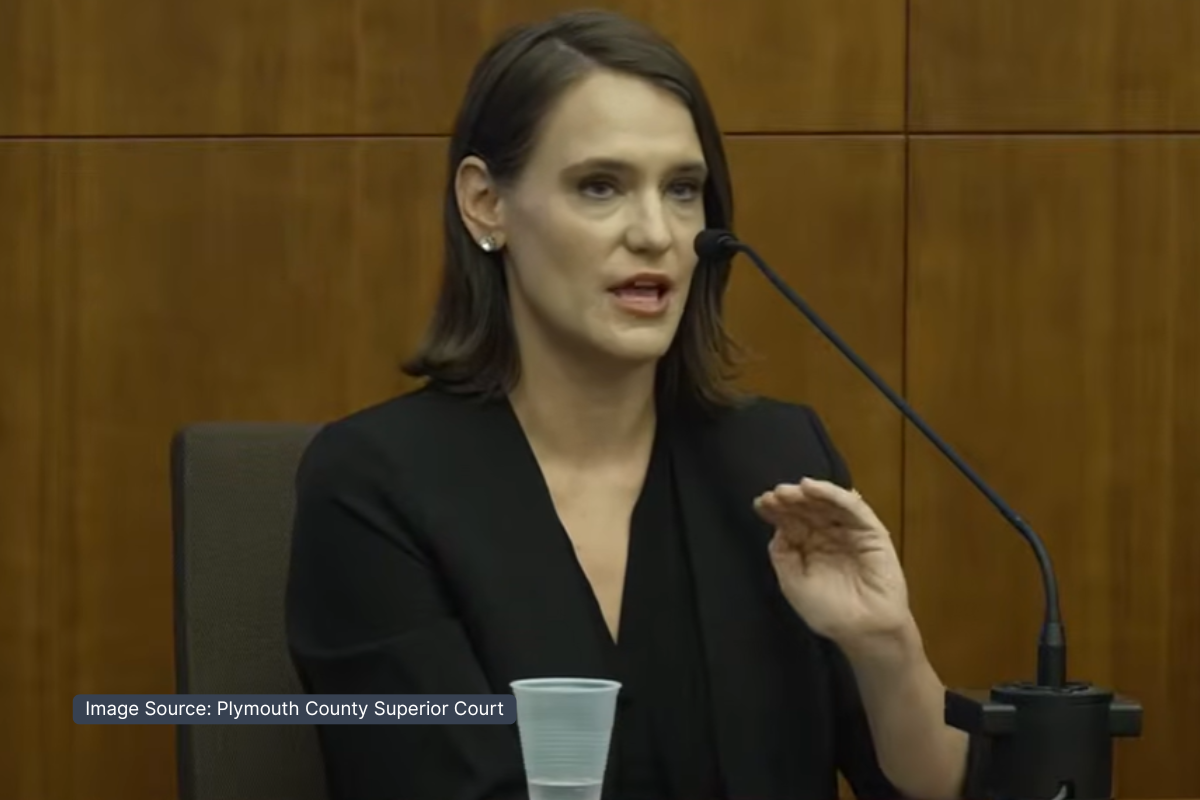
PLYMOUTH, Mass. – Rebecca Jollotta is a psychiatric mental-health nurse practitioner at South Shore Health’s perinatal behavioral-health clinic. She has a master’s in counseling psychology, later became an RN and psychiatric NP, and is certified in perinatal mental health. Her practice treats pregnant and postpartum women with depression, anxiety, bipolar disorder, OCD, panic disorder, addiction and postpartum psychosis. She testified that she has treated hundreds of women with postpartum depression/anxiety and approximately five with postpartum psychosis.
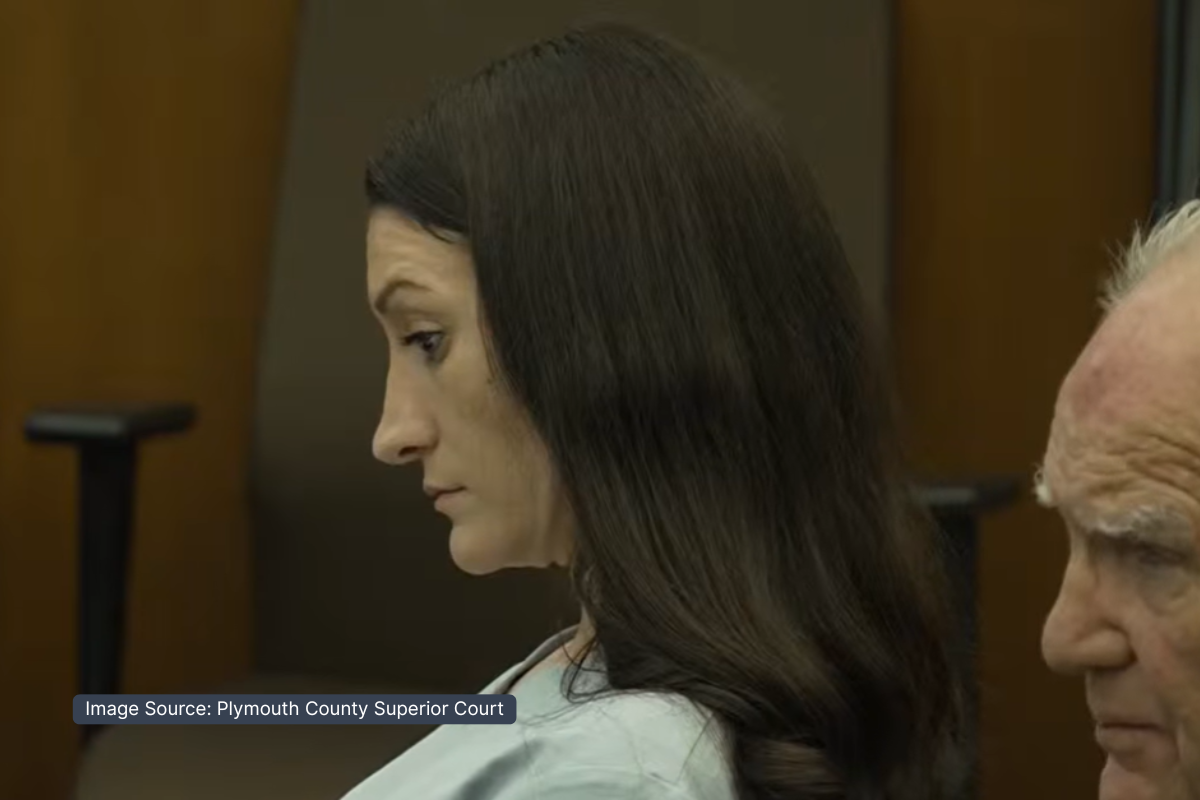
She took over Lindsay’s care as Julie Paul was preparing to leave the clinic. Her first appointment with Lindsay was November 29, 2022, by telehealth. Unlike Dr. Jennifer Tufts, though, Jollotta eventually did see Lindsay in person at least once.
Direct Examination — Main Points
November 29: First visit
By the time Jollotta saw Lindsay, Lindsay had already gone through several medication changes. Jollotta knew about the Zoloft/Ativan/Benadryl treatment, the November 16 ER visit and trazodone prescription, and Julie Paul’s subsequent medication changes.
Lindsay had been taking mirtazapine/Remeron for only four nights, approximately since November 25. She reported little improvement in mood, anxiety or insomnia. She could sleep about two hours, then remain awake for roughly three hours and sometimes took Ativan to get back to sleep.
Jollotta thought four days was far too soon to determine whether Remeron worked; she testified that full benefit can take 4–6 weeks, sometimes longer.
She also noted the larger clinical picture:
severe anxiety
insomnia
decreased appetite
weight loss — approximately 130 lb Oct. 20 → 124 lb Nov. 16
concern about dependence/rebound anxiety from Ativan
Jollotta proposed several alternatives, including a higher dose or controlled-release Ambien and hydroxyzine. Lindsay declined them. Lindsay preferred to continue Remeron 15 mg plus Ativan PRN.
This was important to the prosecution’s presentation: Jollotta described medication decisions as collaborative, emphasized patient autonomy, and said Lindsay appeared capable of understanding and participating in treatment decisions.
Mental-status examination
On November 29, Lindsay appeared anxious, but Jollotta found:
no mania
no psychosis
no suicidal ideation/history reported
no homicidal ideation
no thoughts of harming others
no apparent inability to participate in treatment decisions.
Jollotta specifically testified that she assesses patients for hallucinations, delusions and responses to internal stimuli, and saw no psychotic symptoms in Lindsay. That is a pretty important piece of testimony given the eventual insanity defense.
The Intrusive-Thought Period
This is where Jollotta becomes especially important.
November 30 / December 1 messages
Lindsay reported significant insomnia and described “horrible intrusive thoughts” and feeling deeply depressed. She later said she took 0.5 mg Ativan around 6 p.m. and the thoughts went away.
On December 1 at 12:20 p.m., Lindsay messaged Jollotta saying she disliked how she felt on Remeron and had begun experiencing intrusive thoughts she said she had never experienced before. She stopped taking it and asked to return to Julie Paul’s original plan: Prozac AM + Ativan/Benadryl at night temporarily while waiting for Prozac to become therapeutic.
She also sought an urgent appointment with primary care that day but apparently did not respond in time to messages/voicemails offering an appointment. Jollotta responded by sending Lindsay information about postpartum depression and anxiety, explaining that intrusive thoughts can occur with those disorders.
At this point Jollotta interpreted the intrusive thoughts within a postpartum depression/anxiety framework — not psychosis.
Medication Dependence Concern
Lindsay repeatedly expressed fear that she was becoming dependent/addicted to Ativan. At one point she told Jollotta, “I feel like I’m not being heard about addiction.”
Jollotta responded with education distinguishing addiction, physical dependence and tolerance and tried to construct a medication plan that would reduce reliance on benzodiazepines.
Lindsay reported that her insomnia began with Zoloft and that Ativan, particularly when combined with Benadryl, had helped her sleep. At the same time, she had become increasingly concerned about relying on Ativan, fearing physical dependence and rebound anxiety. She told Jollotta that after approximately two weeks of daily Ativan and Benadryl use, her insomnia had become at its worst. Other sleep medications—including trazodone, Ambien, Remeron and Seroquel—had, according to Lindsay, “barely” helped unless she also took Ativan. Jollotta discussed using Ativan as a backup while trying to find a longer-term treatment, but did not recall recommending Benadryl as part of that plan.
At another point Lindsay reported feeling “concerningly numb” / no emotion / “I feel like I’m going to die and I don’t care.”
That is clinically important, although it is not the same thing as an expressed suicidal plan or intent.
Diagnostic Thinking Begins to Broaden and Patrick Joins In
December 6–7: Diagnostic Thinking Begins to Broaden
By December 6, Jollotta’s thinking was evolving. Lindsay’s treatment had initially centered on postpartum depression and anxiety, but as her symptoms persisted and she struggled with multiple medication trials, Jollotta began considering a broader differential diagnosis that included bipolar disorder.
The December 6 appointment was significant for another reason: Lindsay’s husband, Patrick Clancy, accompanied Lindsay to the appointment in person. It was Jollotta’s first time meeting or speaking with him, and she understood that he was there to provide support and collateral information about Lindsay’s condition.
Lindsay and Patrick discussed their concern that her condition had worsened since she began taking psychiatric medications. Lindsay reported that when her Zoloft dose had been increased from 25 mg to 50 mg, she went approximately 48 hours without sleep and “wasn’t tired.” That history, along with Lindsay’s difficulty tolerating antidepressants, contributed to Jollotta considering whether an underlying bipolar disorder could be part of the clinical picture.
Jollotta raised the possibility with the couple, but Lindsay’s bipolar screening was negative and Jollotta testified that she did not have enough evidence to diagnose bipolar disorder.
Patrick rejected the suggestion directly, telling her, “My wife is not bipolar.” According to Jollotta, Lindsay looked at her but said nothing.
On cross-examination, Kevin Reddington focused heavily on Patrick’s involvement and his concern about what the medications were doing to Lindsay. He suggested Patrick had described her anxiety as “10,000 times worse” and said the medications were “turning her into a zombie,” although Jollotta did not recall him using those words. Reddington then asked whether Patrick was simply concerned or was “pissed off” about the medications and their effect on his wife. Jollotta responded, “I would say he was concerned.” She testified that she addressed those concerns by working with the couple to discontinue or adjust medications.
By December 7, Jollotta was providing Lindsay with information about bipolar disorder as her differential diagnosis broadened. However, she had not diagnosed Lindsay with bipolar disorder. Lindsay’s bipolar screening was negative, she had no known history of mania, and Jollotta testified that the information available did not meet diagnostic criteria at that time. On December 6, Jollotta actually agreed to Lindsay’s request to discontinue Seroquel and retry Prozac. Seroquel would later reenter the treatment plan, while a subsequent taper followed Lindsay’s December 20 evaluation at Women & Infants.
Jollotta was considering bipolar disorder as part of a differential diagnosis; she did not diagnose Lindsay with bipolar disorder. In fact, she had considered it, screened for it, and concluded that the information available to her at that point did not establish the diagnosis.
Women & Infants / Higher Level of Care
By December 20, Lindsay had been evaluated through the Women & Infants program. After that evaluation, Jollotta did not see her again in clinic, either virtually or in person. Subsequent contact was primarily through messages concerning the Seroquel taper.
While Jollotta was going to be away, she nevertheless provided Lindsay with a tapering plan/prescription and testified that other clinic personnel remained available.
On approximately December 30, either Lindsay or Patrick contacted the clinic seeking recommendations for a higher level of care.
That leads directly into the McLean hospitalization.
Cross-Examination — What the Defense Was Trying to Establish
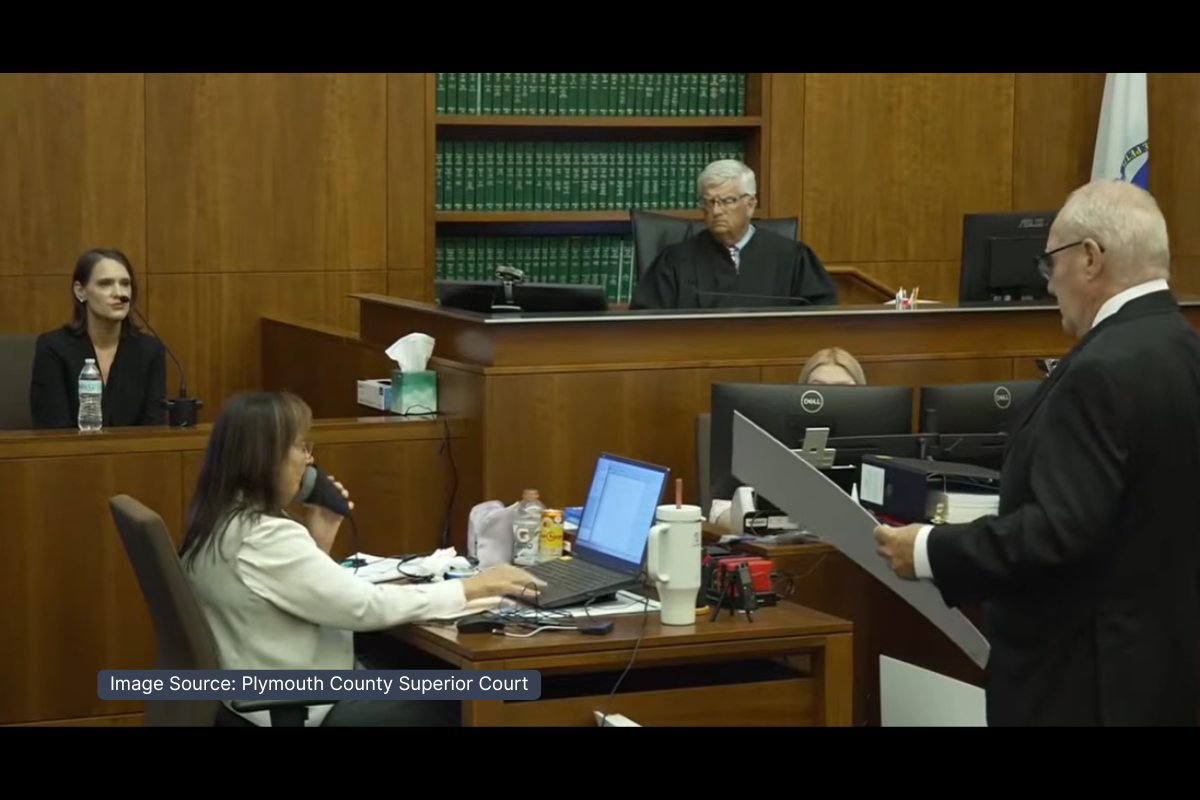
Reddington’s cross seems to have had several objectives.
First, he emphasized the severity and persistence of Lindsay’s symptoms: insomnia, depression, intrusive thoughts, emotional numbness and repeated medication failures.
Second, he emphasized the sheer amount of medication experimentation in a relatively compressed period.
Third, he pushed on whether Jollotta adequately investigated what Lindsay meant by “horrible intrusive thoughts.” That’s probably one of the stronger defense points from this witness: Lindsay used alarming language, and the defense wanted the jury wondering whether providers investigated those thoughts deeply enough.
Fourth, he developed the progression from an initial postpartum depression/anxiety working diagnosis toward consideration of bipolar disorder. Jollotta agreed that her differential diagnosis broadened as she had more contact with Lindsay and observed her responses to medications.
But there is a major limitation for the defense. Jollotta herself did not observe mania or psychosis. And Lindsay did not report SI, HI, hallucinations or thoughts of harming others during that November 29 assessment.
So her testimony cuts both ways.
Redirect
The redirect largely restored context to points highlighted during cross: Jollotta was actively communicating with Lindsay, responding to her medication concerns, explaining postpartum depression/anxiety and intrusive thoughts, considering alternative medications, and modifying her diagnostic thinking as more information emerged. It also reinforced that the clinical picture was evolving rather than ignored.
The defense can argue they missed what this really was. But the evidence from Jollotta doesn’t support that nobody was paying attention. There was actually quite a bit of back-and-forth communication and medication management.
How Effective was NP Rebecca Jollotta as a Witness?
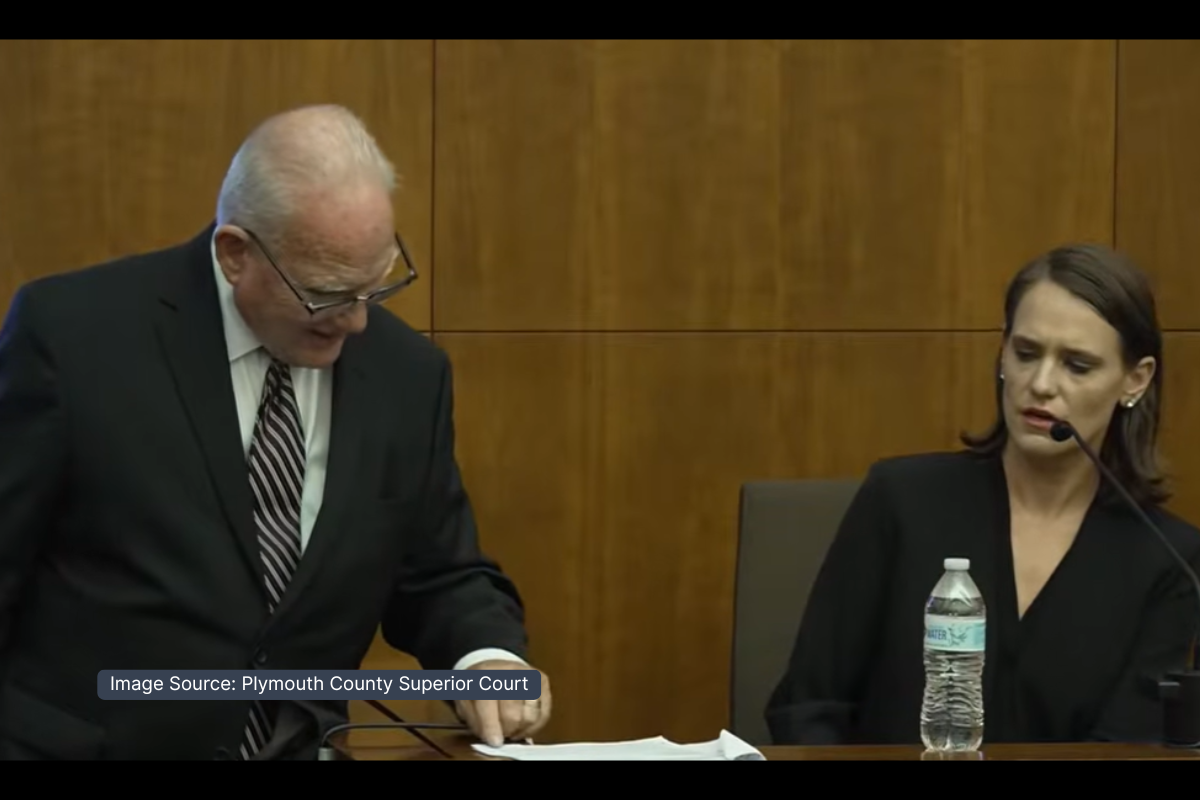
She’s a pretty solid witness. And interestingly, her testimony genuinely helps both sides.
The prosecution gets: Lindsay was coherent, engaged, advocating for herself, making informed medication choices, reporting symptoms accurately, and showing no observed mania, psychosis, SI or HI during Jollotta’s examination.
The defense gets: Lindsay was obviously struggling — severe insomnia, weight loss, anxiety, depression, disturbing intrusive thoughts, emotional numbness, repeated medication changes, heavy reliance on Ativan for sleep, and eventually enough diagnostic uncertainty that bipolar disorder entered the differential.
What the defense does not get from Jollotta is evidence that Lindsay was psychotic during this period, and this is becoming a recurring theme in these providers’ testimony.
Related Articles
Lindsay Clancy Mistrial – Jurors Speak Out
PLYMOUTH, Mass. – Five jurors have now explained their reasoning after the mistrial. Their interviews reveal how they viewed the evidence, the experts, Lindsay Clancy—and the lone juror who refused to agree. The Lindsay Clancy murder trial ended without a verdict. But...
Lindsay Clancy Murder Trial: Beyond Reasonable Doubt. vs. Reasonable Doubt
Related Articles Related
Lindsay Clancy Jury Deadlock: Did Jurors Understand the Instructions?
PLYMOUTH, Mass. – After days of deliberations and two messages informing Judge William Sullivan that they have been unable to reach a unanimous decision, the twelve jurors deciding the fate of Lindsay Clancy are clearly struggling to agree. But what, exactly, are they...