
Lindsay Clancy Murder Trial: Battle of the Expert Witnesses
Six Experts, Two Competing Interpretations, and One Critical Question: Was Lindsay Clancy Criminally Responsible?
The Experts Agreed She Was Ill. They Disagreed on What It Meant.
PLYMOUTH, Mass. – By the time the defense rested in the murder trial of Lindsay Clancy, there was little serious dispute over one fundamental fact: Lindsay Clancy had experienced significant mental-health problems in the months before she killed her three children.
That, however, was not the question the jury ultimately had to decide.
The question was whether her mental disease or defect rendered her not criminally responsible under Massachusetts law at the moment she killed Cora, Dawson and Callan Clancy on January 24, 2023.
That question became the battleground for some of the most important testimony of the trial.
The defense presented experts who described psychosis, auditory hallucinations, distorted thinking, and an inability to control behavior. The Commonwealth answered with three rebuttal experts who approached the case from somewhat different directions: psychiatry, forensic psychological assessment, and behavioral analysis.
What emerged was not simply a disagreement over diagnosis.
It was a disagreement over what the evidence actually proved about Lindsay Clancy’s mind on January 24, 2023 — and whether her later descriptions of that mental state were consistent with the evidence created before, during and immediately after the killings.
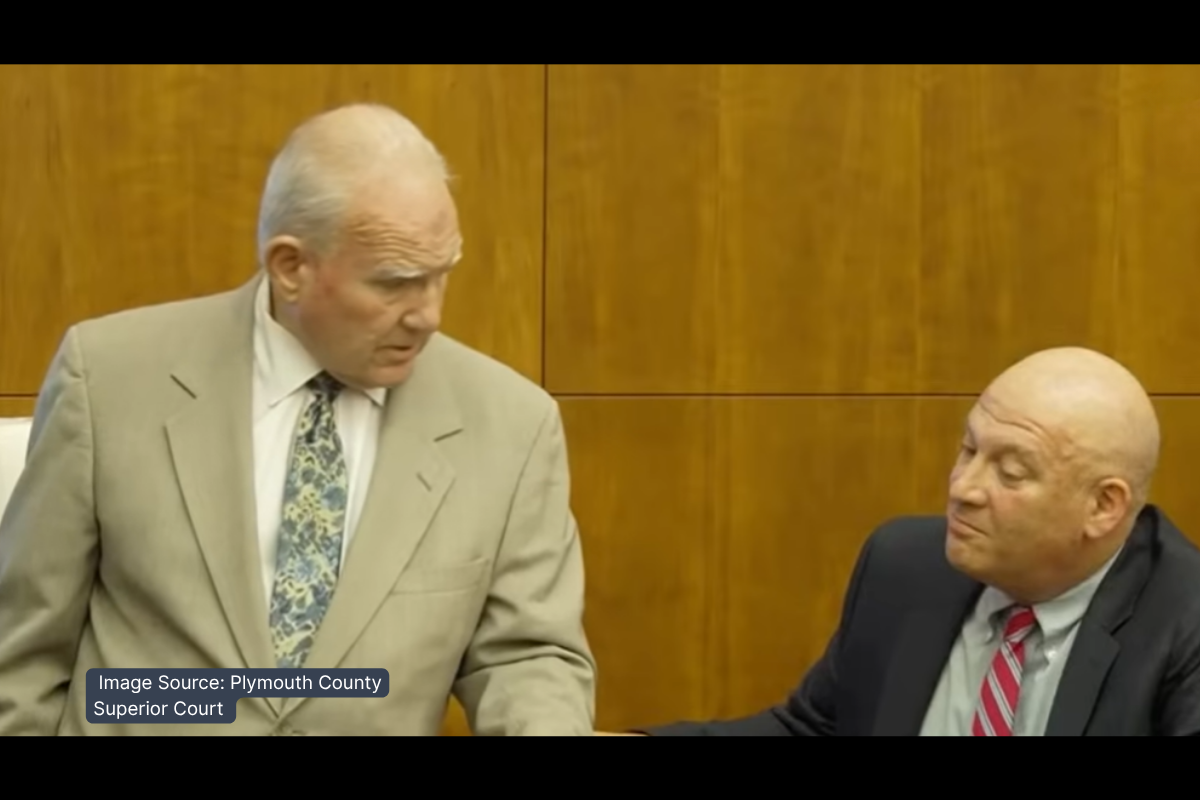
The Legal Question Behind the Psychiatry
Massachusetts law does not ask jurors simply whether a defendant was mentally ill. A defendant may lack criminal responsibility if, because of mental disease or defect, she lacked substantial capacity either:
-
to appreciate the criminality or wrongfulness of her conduct; or
-
to conform her conduct to the requirements of law.
That “or” became critical in this case. The defense did not necessarily need to establish that Lindsay believed killing her children was legally permissible. Dr. Phillip Resnick ultimately acknowledged that she understood what she was doing was legally wrong. Instead, his opinion focused heavily on the second part of the test: whether, because of mental disease, she retained the capacity to stop herself.
Capacity to conform conduct to the requirements of law would become THE central dividing line between the experts.
THE DEFENSE EXPERTS
Dr. Donald Condie: The Treatment and Medication Case
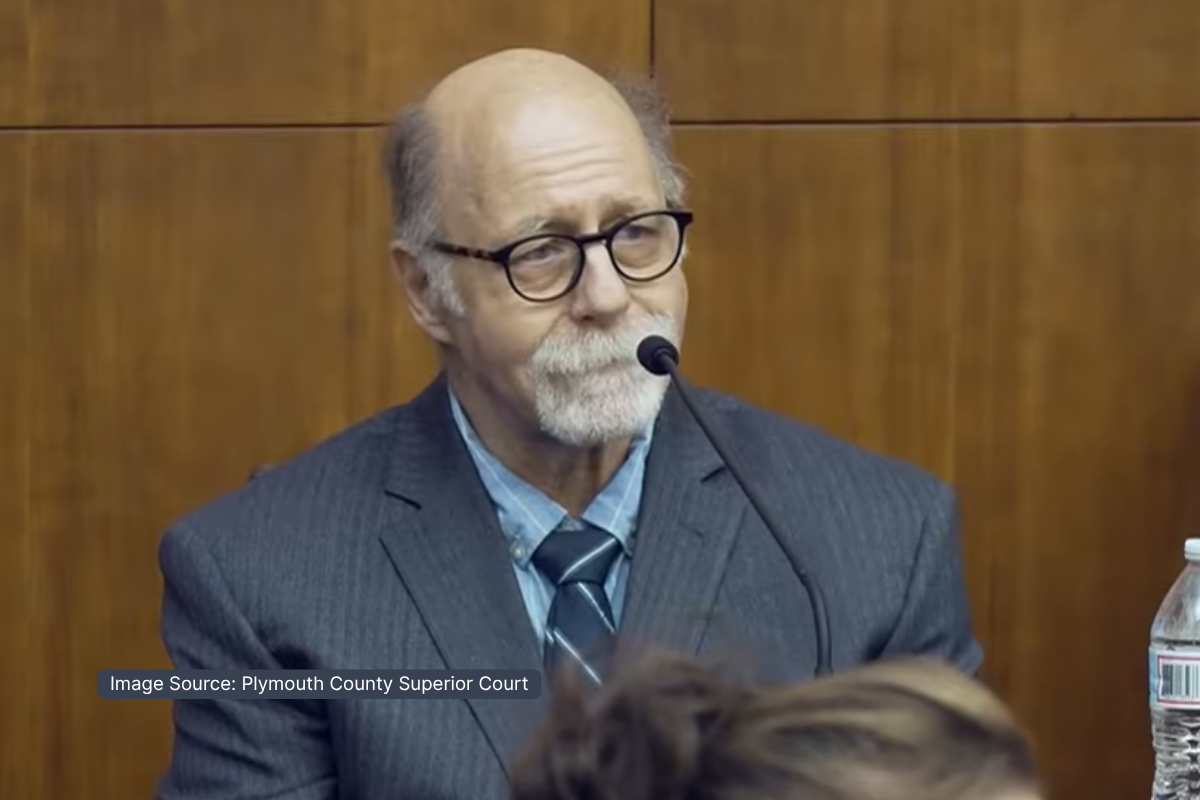 Unlike the defense experts who evaluated Lindsay Clancy and offered opinions about her mental state, Dr. Donald Condie never met or interviewed Clancy and did not evaluate her for criminal responsibility. His role was different.
Condie, a clinical and forensic psychiatrist with more than four decades of experience, was called primarily to examine Lindsay’s psychiatric treatment, medication history and the progression of the symptoms documented in her medical records. His testimony therefore addressed an important component of the defense case without answering the ultimate legal question: Was Lindsay’s deteriorating psychiatric condition adequately recognized and treated before January 24, 2023?
Medication Effects and “Activation”
Condie traced Lindsay’s treatment beginning with Dr. Jennifer Tufts in September 2022 and discussed the numerous medications prescribed as providers attempted to address her anxiety, depression and severe insomnia. Of particular importance was Zoloft.
Condie explained that although SSRIs can reduce depression and anxiety, they can sometimes initially produce increased anxiety, jitteriness or what psychiatrists describe as “activation.” According to the medical records he reviewed, Lindsay reported significant problems after beginning Zoloft and increasing the dosage: severe insomnia, worsening anxiety, crying, mental fog and feeling unlike herself. Condie testified that these effects could occur quickly, even though the therapeutic benefits of an antidepressant may take weeks to emerge.
He also discussed Lindsay’s reported reactions to other medications, including the sedation and “hungover” feeling she associated with Seroquel.
Was Bipolar Disorder Being Missed?
Condie also addressed the possibility of bipolar disorder. The records showed that bipolar disorder had at least been considered during Lindsay’s treatment. Condie explained that depression can be a major component of bipolar illness and that antidepressants generally should be used cautiously when bipolar disorder is suspected because of the possibility of worsening manic symptoms. But the evidence was not straightforward.
On cross-examination, prosecutors pointed out that symptoms Reddington characterized as possible mania—such as racing thoughts and insomnia—do not by themselves establish a manic or hypomanic episode. Condie acknowledged, for example, that mania generally involves a decreased need for sleep, while Lindsay had denied experiencing a decreased need for sleep during the relevant period. She wanted to sleep but could not.
Even some of the behavior suggested as potentially hypomanic—exercise, running and cleaning the garage—was ambiguous. Condie acknowledged that exercise itself had been recommended as part of Lindsay’s treatment and that it was difficult to determine whether the garage-cleaning episode actually represented hypomania.
Postpartum Psychosis and Symptoms That Come and Go
Condie also provided the jury with a broader explanation of postpartum psychiatric illness. Psychosis, he explained, involves an impaired ability to distinguish what is real from what is not and can involve delusions or hallucinations, most commonly auditory hallucinations. He also testified that psychotic symptoms can be episodic. A person does not necessarily remain visibly psychotic continuously for days or weeks.
That testimony helped the defense address one of the Commonwealth’s recurring arguments: the absence of documented hallucinations or delusions during Lindsay’s treatment before January 24.
Condie agreed that patients sometimes minimize or conceal severe psychiatric symptoms out of fear of the consequences. Lindsay’s records indicated concern that her children might be taken away if she disclosed particularly severe symptoms. Condie also suggested that, as a nurse, she might have worried about the effect of psychiatric treatment on her professional license, although he acknowledged that explanation was speculation.
But No Voice Was Reported Before January 24
Cross-examination nevertheless produced an important concession. Condie agreed that Lindsay never reported hearing a voice to Dr. Tufts, nurse practitioner Rebecca Gelato or mental-health worker Leticia Dukes. The voice later described as part of the events surrounding the killings was not documented by those providers before January 24.
That does not establish that Lindsay could not have been experiencing undisclosed psychotic symptoms. Condie’s testimony provided a clinical reason why a patient might conceal them. But it leaves an important evidentiary distinction:
There is evidence that Lindsay feared disclosing severe symptoms. There is not contemporaneous medical documentation establishing that she was actually hearing voices and concealing them. The latter requires an inference.
Criticism of Lindsay’s Treatment
Condie was also critical of aspects of Lindsay’s medical treatment. Among other things, he questioned why laboratory testing had not been performed, including testing of thyroid function. Postpartum thyroid abnormalities and other physical conditions, he explained, can affect psychiatric symptoms and should be considered.
His testimony also traced a woman repeatedly seeking help: outpatient psychiatry, the South Shore perinatal program, crisis-line calls, Women & Infants in Rhode Island, emergency-room visits and eventually inpatient admission at McLean.
That chronology supported one of the defense’s larger themes: Lindsay knew something was seriously wrong and repeatedly sought help before her condition culminated in catastrophe.
The Limits of Condie’s Opinion
But Condie’s testimony had significant limitations. He had never met Lindsay. He had never interviewed her. He had never conducted a criminal-responsibility evaluation.
His review centered largely on medical records, and he acknowledged that he had not reviewed police reports or crime-scene photographs. His original involvement also arose in connection with the civil litigation surrounding Lindsay’s treatment. That became particularly important when prosecutors confronted him with physical evidence concerning medication use that had not been part of his review.
Condie also acknowledged a fact that cuts sharply against the widespread narrative that Lindsay was simultaneously taking a massive cocktail of psychiatric drugs:
She was not taking all of the prescribed medications at once.
According to Condie, she generally was taking approximately three medications at a time, perhaps four during one period. The sheer number of medications prescribed over several months may demonstrate the difficulty providers had finding an effective treatment regimen. It does not establish that all of those drugs were simultaneously active in Lindsay’s system.
What Condie’s Testimony Actually Established
Condie’s testimony was strongest as a critique of Lindsay’s treatment and as an explanation of how medications, postpartum psychiatric illness and possible bipolar symptoms could have contributed to a deteriorating clinical picture.
But he did not tell the jury that Lindsay lacked criminal responsibility on January 24. He could not. He had never evaluated her for that purpose.
Instead, Condie supplied the medical foundation upon which the defense’s criminal-responsibility experts could build:
Lindsay had been seriously symptomatic for months. Treatment had not resolved those symptoms. Medications had sometimes made her feel worse. Bipolar illness had been considered. Psychosis can be episodic and concealed. And the absence of a documented hallucination does not necessarily prove that no hallucination occurred.
The much harder question—whether any of that deprived Lindsay of the capacity to appreciate wrongfulness or conform her conduct to the law—was left to the experts who actually evaluated her for criminal responsibility.
Dr. Paul Zeizel: Reconstructing Lindsay Clancy’s Psychiatric State
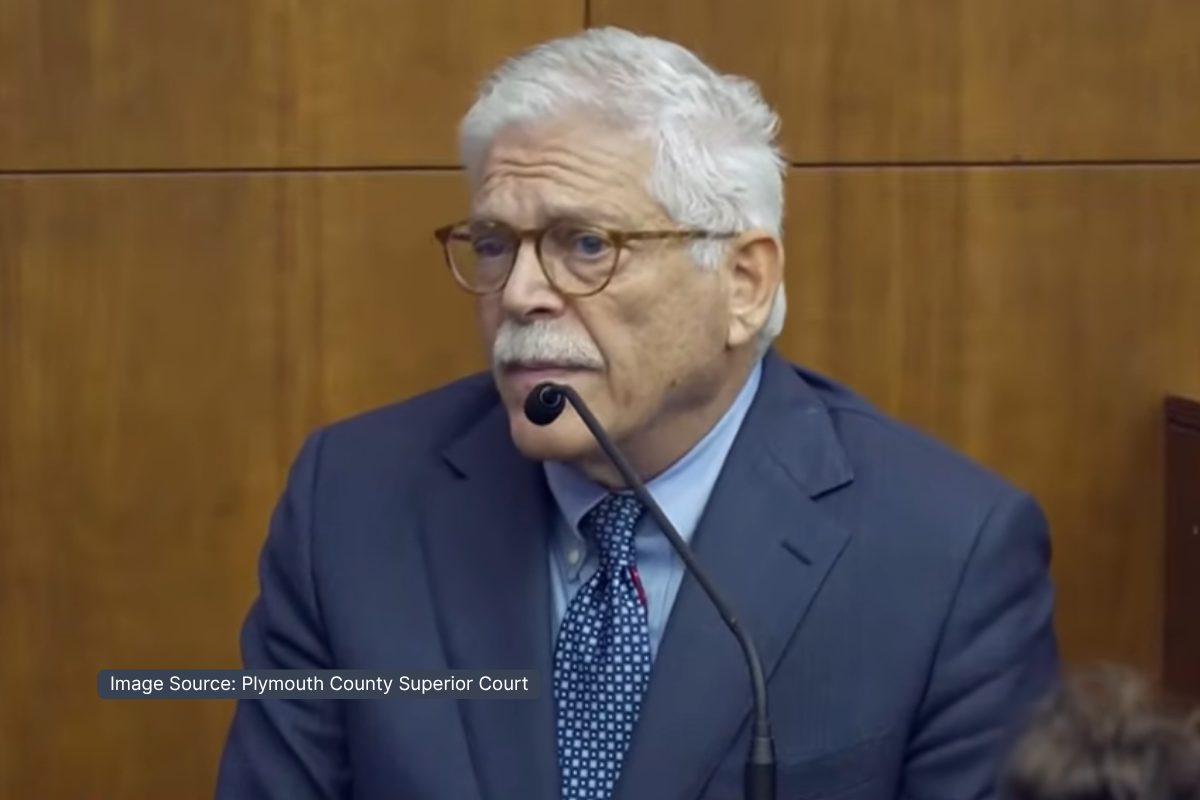 Dr. Paul Zeizel occupied an unusual position among the defense witnesses. He was not one of Lindsay Clancy’s treating psychiatrists from the months preceding the killings. Rather, he was retained in connection with the defense and spent extensive time interviewing and evaluating Clancy after the crimes.
Zeizel’s testimony did not tell the jury what a psychiatrist personally observed about Lindsay on January 23 or January 24, 2023. His task was retrospective: using interviews, records, and collateral information to reconstruct what he believed had been happening psychiatrically. Zeizel testified to spending dozens of hours speaking with Clancy over the course of the case. His testimony also revealed that his conclusions incorporated information obtained through collateral contacts.
The Voice
One of the most consequential portions of Zeizel’s testimony involved voices. According to Zeizel, Clancy described hearing a male voice on the night of the killings. He also interpreted some of her earlier experiences as involving psychotic phenomena, including what he described as “thought broadcasting” — the belief that other people could somehow hear one’s thoughts. But this became a significant point of cross-examination.
The Commonwealth established that the contemporaneous medical records from September 2022 through January 23, 2023 did not document Lindsay reporting a voice telling her to kill herself. More importantly, the various accounts of the alleged voice did not remain entirely consistent across evaluators. The voice was not a peripheral detail. It became part of the defense explanation for why a previously loving mother would suddenly kill all three of her children.
No Voices Since January 24
Zeizel also testified that Clancy had not heard voices since the killings. That creates an unusual evidentiary problem.
If the voice represented an active psychotic illness severe enough to contribute to the killing of three children, why did it apparently disappear after the event? That does not prove the voice did not exist. Psychiatric symptoms can change dramatically. But it is a legitimate question when evaluating competing retrospective explanations.
The Objectivity Question
The Commonwealth also attacked Zeizel’s objectivity, including his relationship with defense attorney Kevin Reddington and language in which he referred to Lindsay as “my patient.”
Those issues do not invalidate his medical opinions. But they gave jurors another question to consider: Was Zeizel functioning as an independent forensic evaluator, or had the length and nature of his involvement caused him to identify too closely with the defense and with Clancy herself?
His testimony was important to the defense because it gave a psychiatric framework to experiences that were not documented as psychosis by the clinicians treating Clancy immediately before January 24. But that was also its weakness. Much of that framework necessarily depended upon information obtained after the killings.
Dr. Phillip Resnick: The Defense’s Criminal-Responsibility Opinion
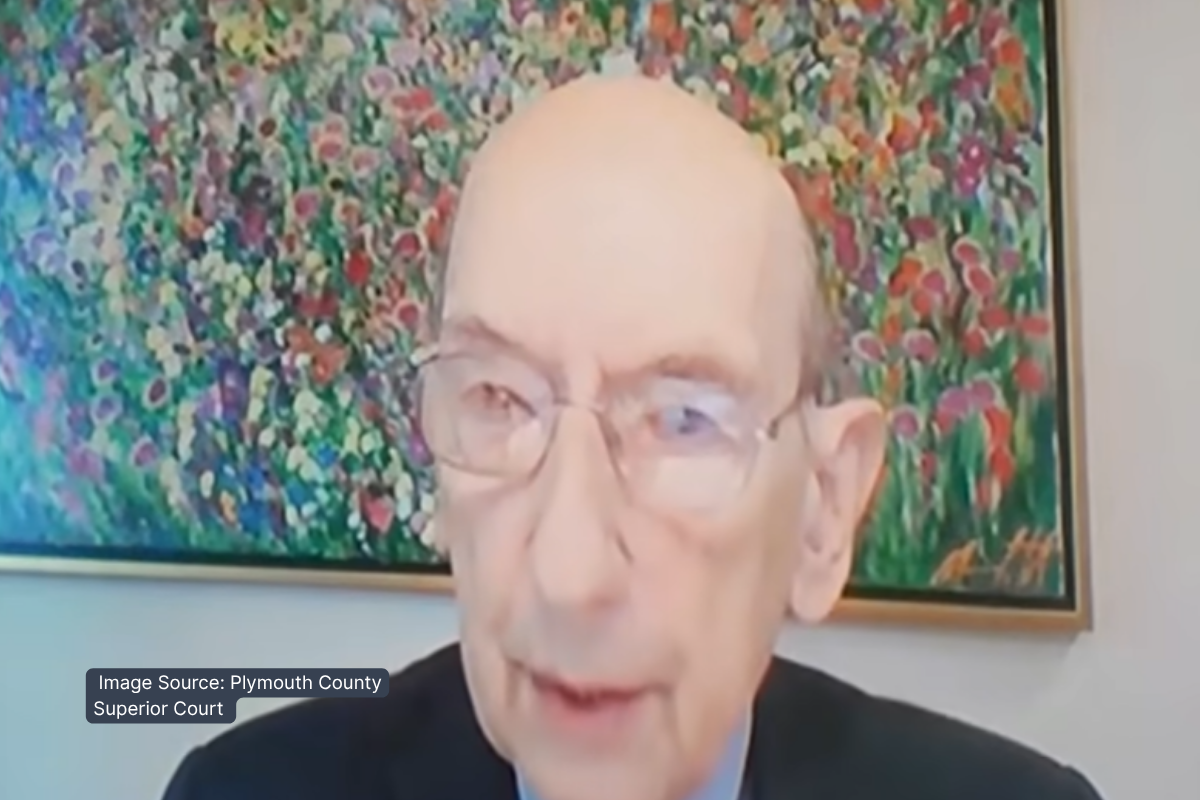 If there was one defense expert whose testimony went directly to the ultimate legal question, it was Dr. Phillip Resnick. Resnick is a forensic psychiatrist with extensive experience evaluating defendants accused of killing family members and with particular expertise involving malingering, psychosis and auditory hallucinations.
He evaluated Lindsay Clancy relatively early in the case, approximately 90 days after the killings. Resnick concluded that Clancy was suffering from psychosis at the time she killed her children. But his most important testimony was more specific.
She Knew It Was Wrong
Resnick did not conclude that Lindsay was incapable of understanding that killing her children violated the law. Instead, his opinion focused on the other branch of Massachusetts’ criminal-responsibility test. He testified:
“Miss Clancy was, due to her mental disease, unable to conform her conduct to the requirements of the law.”
That is a crucial theory that allowed for both things to be true:
Lindsay knew killing her children was legally wrong.
AND
Because of her mental disease, she nevertheless lacked substantial capacity to stop herself from doing it.
According to Resnick, the alleged commanding voice was an important part of that conclusion. He testified that she felt compelled to obey what she was hearing and did not experience herself as having control over the behavior.
The Moral-Wrongfulness Question
Resnick also discussed the contrast between knowing something is legally wrong and believing it is morally justified. That justification fits the defense theory that Lindsay believed killing the children was, in some distorted psychotic sense, necessary or protective. This may have been the strongest conceptual part of the defense case because it addressed an obvious prosecution argument:
If Lindsay waited until Patrick left, knew he could not be present, and took steps suggesting concealment or planning, doesn’t that show she knew what she was doing was wrong?
Resnick’s answer essentially allowed the defense to say:
Yes. She may have known society considered it wrong. That does not necessarily mean her mental illness left her capable of resisting it.
That is precisely why the second prong of the Massachusetts test mattered so much.
The Vulnerability in Resnick’s Opinion
But Resnick’s conclusion also depended heavily on accepting a psychiatric explanation for behavior that could be interpreted another way. If the jury accepted the command hallucination and the psychotic belief system surrounding it, Resnick provided a coherent explanation for otherwise incomprehensible conduct.
If the jury questioned the reliability, timing or evolution of those reported symptoms, the foundation underneath that conclusion became less secure.
That is where the Commonwealth’s rebuttal case came in.
THE COMMONWEALTH'S REBUTTAL
After the defense rested, the Commonwealth did something strategically interesting. Rather than call one psychiatrist to simply say, “We disagree,” prosecutors presented three experts whose roles overlapped but were not identical. Together, their testimony challenged the defense theory from different directions.
Dr. Abram Mack: Mental Illness Does Not Equal Lack of Criminal Responsibility
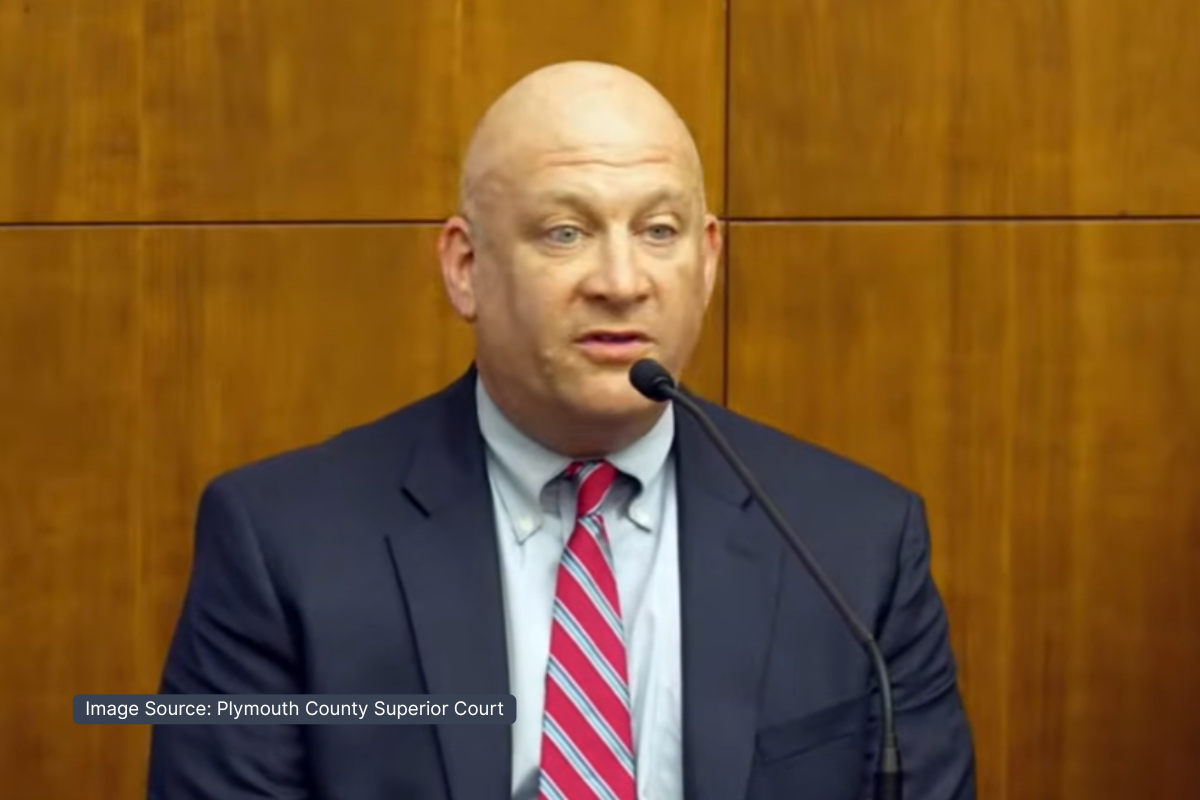 Dr. Abram Mack was the first rebuttal witness. Mack is a psychiatrist with training and board certification in psychiatry, child and adolescent psychiatry, and forensic psychiatry. His assignment was specific: evaluate Lindsay Clancy’s mental condition at the time of January 24, 2023 and determine whether she met the requirements for criminal responsibility.
Mack and forensic psychologist Dr. Kirk Heilbrun conducted portions of their evaluation together. Over three days in April 2026, Clancy spent approximately 10½ hours being interviewed and tested: roughly 4½ hours on the first day, three hours of psychological testing with Heilbrun on the second, and another three hours with both on the third.
Their evaluation occurred more than three years after the killings.
Mack’s Bottom Line
Mack concluded that Lindsay Clancy met the requirements for criminal responsibility. Significantly, he did not have to conclude that she was perfectly healthy. The Commonwealth’s case was not that Lindsay had never suffered from mental illness.
The question was between:
having a serious mental disease
and
having a disease that legally deprived her of criminal responsibility for the killings.
That point became especially clear when the defense elicited that serious psychiatric illness and criminal responsibility can coexist.
Psychosis Versus Depression and Mood Disorder
Mack questioned whether the evidence supported the defense’s characterization of Clancy as psychotic at the time of the killings. That question was especially significant because the medical records immediately preceding January 24 repeatedly documented anxiety, depression, insomnia, medication concerns and intrusive thoughts — but not hallucinations or delusions.
Clancy had seen Dr. Jennifer Tufts on January 23. No psychosis was documented. No voices were reported.
The following day, according to the later defense account, an auditory command hallucination became central to the killing of all three children. That sudden transition became one of the most important factual problems confronting the experts.
The Limits of Mack’s Evaluation
Reddington attacked Mack’s experience, methodology and prior expert work and emphasized that Mack’s direct evaluation of Lindsay occurred years after the event. He also challenged the extent of Mack’s collateral investigation. Those are legitimate considerations. A retrospective forensic evaluation is only as reliable as the records, interviews, methodology and assumptions underlying it.
But the same temporal problem affected virtually every retained expert in the case. None of them was standing in the Clancy home on January 24. Every expert was reconstructing. The disagreement was over which reconstruction best fit the evidence.
Dr. Kirk Heilbrun: Testing the Competing Possibilities
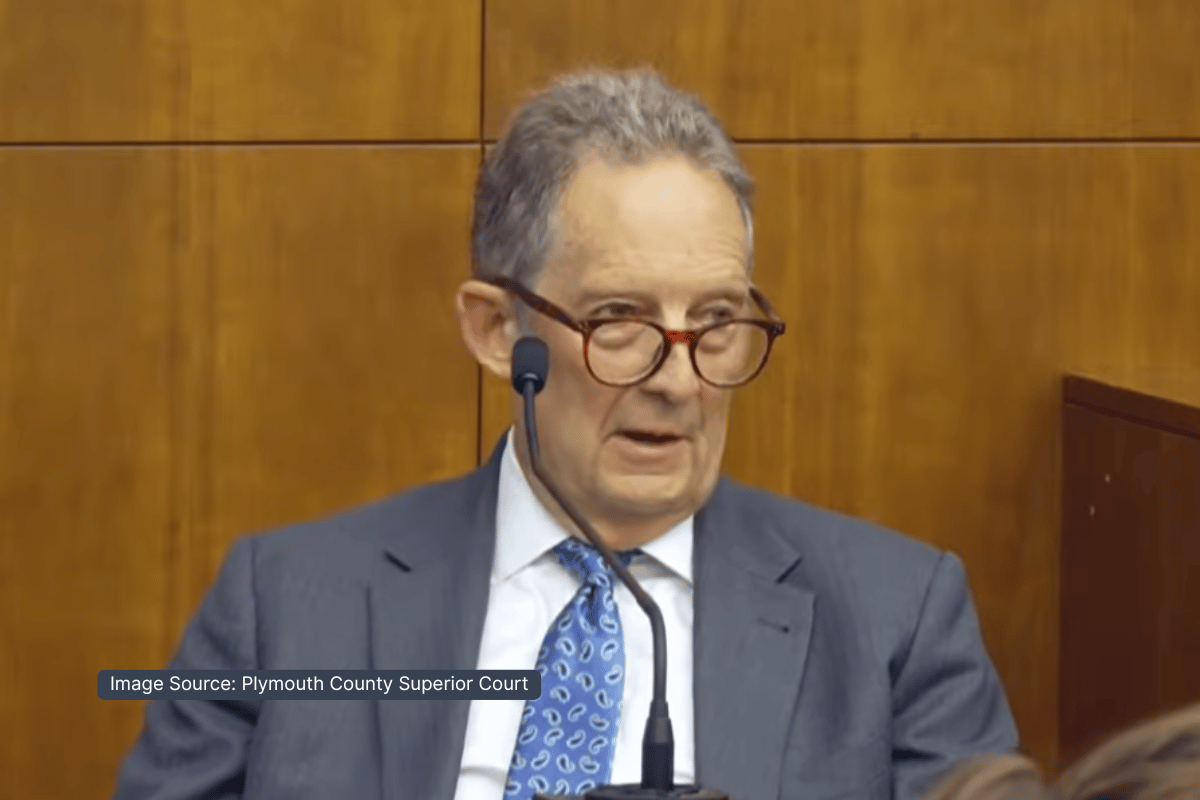 Dr. Kirk Heilbrun brought a different discipline to the Commonwealth’s rebuttal. He is a forensic psychologist, not a psychiatrist. He described his role as considering competing possibilities and following the evidence supporting or weakening each one.
He began reviewing materials in January 2025 and ultimately reported spending approximately 180 hours on the case, most of that reviewing records. He spent approximately 10½ hours meeting with and testing Lindsay and another approximately 1½ hours conducting collateral interviews.
His materials included medical records, police investigations, grand-jury material, digital evidence, Apple Watch and cellphone information, surveillance footage and reports prepared by defense experts including Resnick and Spinelli. That breadth was important.
Heilbrun’s role was not simply to decide whether Lindsay had psychiatric symptoms. He was evaluating how the various sources of information fit together.
Psychological Testing
Heilbrun administered psychological testing during the second day of the Commonwealth experts’ evaluation. The testing did not establish that Lindsay was malingering. That was important for the defense. But “not malingering” does not answer the ultimate question of criminal responsibility.
A person can truthfully describe her current symptoms and still be mistaken, incomplete or inconsistent in reconstructing a mental state from three years earlier. Likewise, an absence of malingering does not establish that every retrospective interpretation of those symptoms is correct.
Bipolar II Disorder
Heilbrun diagnosed Bipolar II Disorder, which he acknowledged is a serious mental disease. That itself demonstrates why this case cannot accurately be reduced to:
Defense: Lindsay was mentally ill.
Prosecution: Lindsay was not mentally ill.
The Commonwealth’s own expert diagnosed a serious mental illness. The disagreement was over what that illness did — and did not — explain.
Inconsistencies Matter
Heilbrun examined differences between Clancy’s various accounts and the objective evidence. The prosecution used those inconsistencies not necessarily to argue that she was deliberately lying, but to question whether the later psychiatric narrative could reliably establish what was happening inside her mind on January 24.
The fact is that memory changes. People interpret experiences differently over time. Clinical terminology can change the way an experience is described.
But when criminal responsibility turns on an alleged psychotic experience occurring during a very narrow window of time, differences in the timing and description of that experience become highly consequential.
Dr. Gregory Saathoff: Does the Psychiatric Explanation Fit the Behavior?
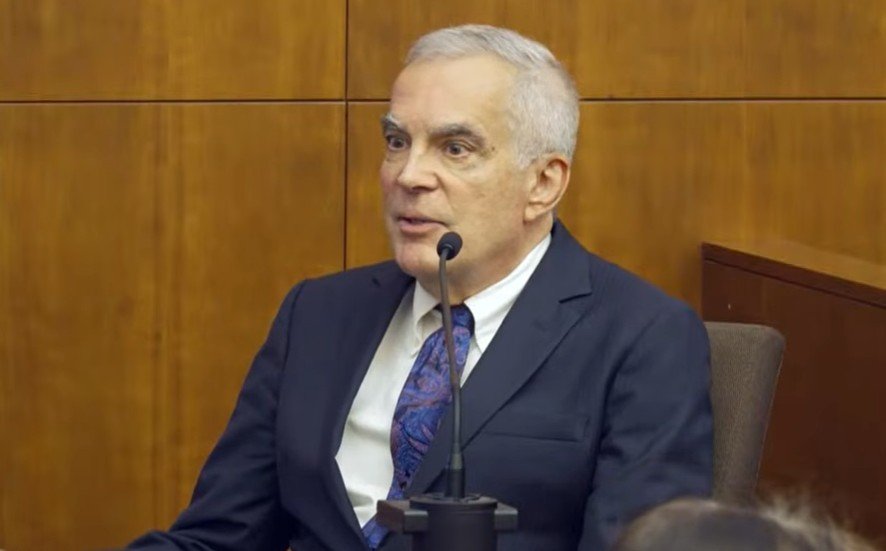 The Commonwealth’s final rebuttal expert, Dr. Gregory Saathoff, approached the case differently again. His background combined psychiatry with behavioral analysis and consultation with law enforcement, including work associated with the FBI.
His testimony focused heavily on behavior, chronology and the consistency of the various accounts. In some ways, Saathoff asked the simplest question of the entire expert battle:
If the defense explanation is correct, does Lindsay Clancy’s behavior actually look like what that explanation predicts?
When Did the Voice Begin?
One of the strongest points concerned conflicting descriptions of when the alleged command voice began. The various expert accounts did not place its onset at precisely the same point.
In one account, the voice appeared right after Patrick called from CVS, then Lindsay proceeded to obey, and the voice continued over and over until the children were dead.
In another, it began considerably earlier, after Patrick left the house. That is not a trivial discrepancy. The alleged voice was being offered as part of the explanation for the killings themselves.
If its timing changes depending upon which evaluation is being considered, the jury must decide how much confidence to place in the reconstruction.
Planning and Opportunity
Saathoff also considered behavior before the killings.
The restaurant search.
The request that Patrick go to CVS.
The timing.
The sequence of events.
The opportunity created once Patrick was out of the home.
The digital evidence.
The time required to strangle three children individually.
Those facts do not automatically disprove psychosis.
A psychotic person can plan.
A mentally ill person can use a phone.
A person experiencing hallucinations can engage in purposeful behavior.
But the Commonwealth’s argument was cumulative. The more organized, goal-directed and adaptable the behavior appeared, the harder it became to attribute the entire event to an irresistible command suddenly overriding Lindsay’s ability to control herself.
Saathoff’s testimony therefore provided something the Commonwealth needed beyond diagnosis:
a way to compare the psychiatric theory with the physical and digital evidence.
What the Commonwealth's Three Experts Did Differently
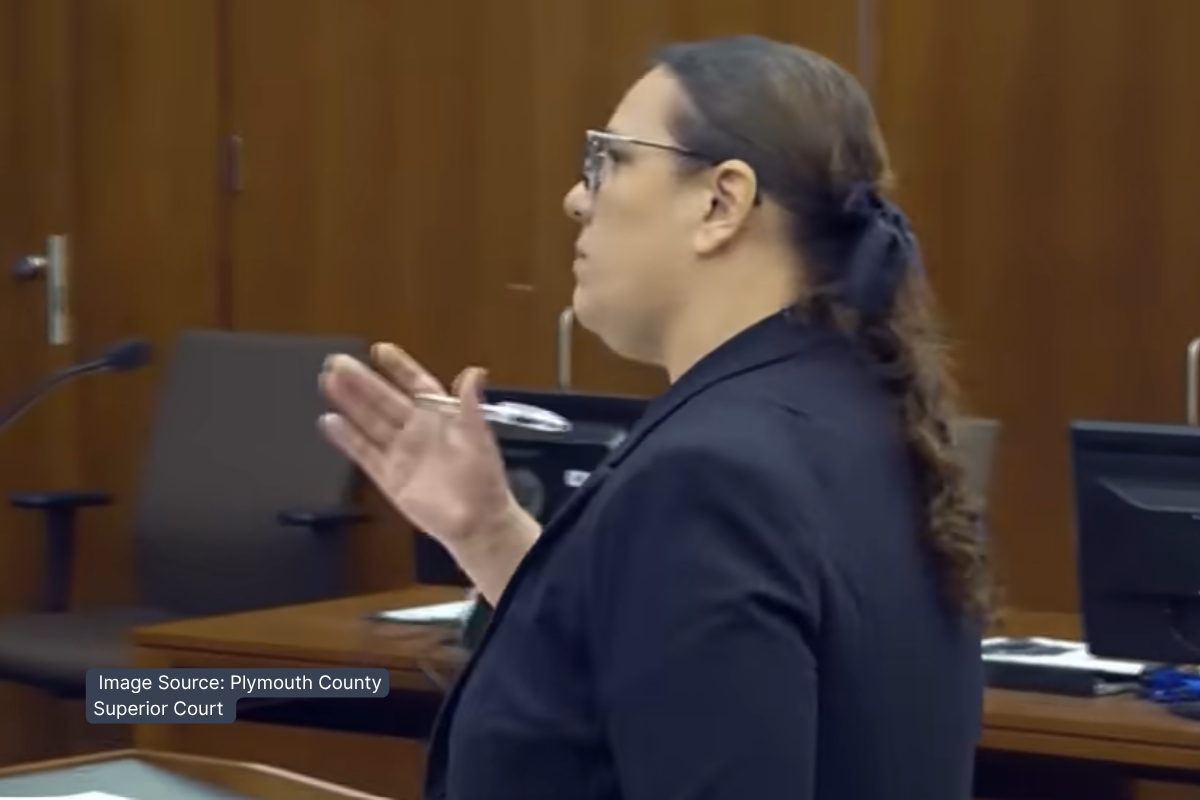
Taken together, the Commonwealth’s rebuttal was more sophisticated than simply producing three experts who disagreed with Resnick. Each attacked a different part of the defense theory.
Mack: Was Lindsay suffering from a mental disease that actually deprived her of criminal responsibility?
Heilbrun: What did the psychological testing, records, collateral information and competing explanations show?
Saathoff: Did the reported psychotic experience fit the chronology and observable behavior surrounding the killings?
That division of labor mattered. The Commonwealth did not have to prove Lindsay Clancy was mentally healthy. In fact, its own experts acknowledged significant mental illness. The prosecution instead attempted to demonstrate something much narrower:
Mental illness does not necessarily mean lack of criminal responsibility.
The Real Battle: Not Whether Lindsay Was Sick, But Why She Killed
Perhaps the biggest misconception surrounding this trial is that the jury had to choose between two completely opposite pictures:
Lindsay Clancy was psychotic and mentally ill.
versus
Lindsay Clancy was sane and deliberately murdered her children.
The actual expert testimony was considerably more complicated. The Commonwealth’s own experts acknowledged serious mental illness. The question was what that illness meant on January 24. And that leads to what may be the most important analytical distinction in the entire case.
The Defense Worked Primarily From Illness Toward Behavior
The defense experts identified psychiatric disease and interpreted the killings through that framework.
Mental disease
↓
Psychosis / distorted thinking / auditory command
↓
Loss of behavioral control
↓
Killings
↓
Lack of criminal responsibility
If the psychiatric premise is accepted, the otherwise inexplicable behavior becomes understandable within the disease.
The Commonwealth Worked Primarily From Behavior Back Toward the Explanation
The rebuttal experts increasingly approached the problem from the opposite direction.
What did Lindsay actually do?
What did she say before January 24?
What did her doctors observe?
What did she search?
When did Patrick leave?
What happened with the CVS errand?
How long did the killings take?
What did the digital evidence establish?
What did Lindsay say immediately afterward?
When did the voice first appear in the psychiatric narrative?
Then:
Does the proposed psychiatric explanation fit all of those facts?
That difference in analytical direction may ultimately matter more than the competing diagnoses.
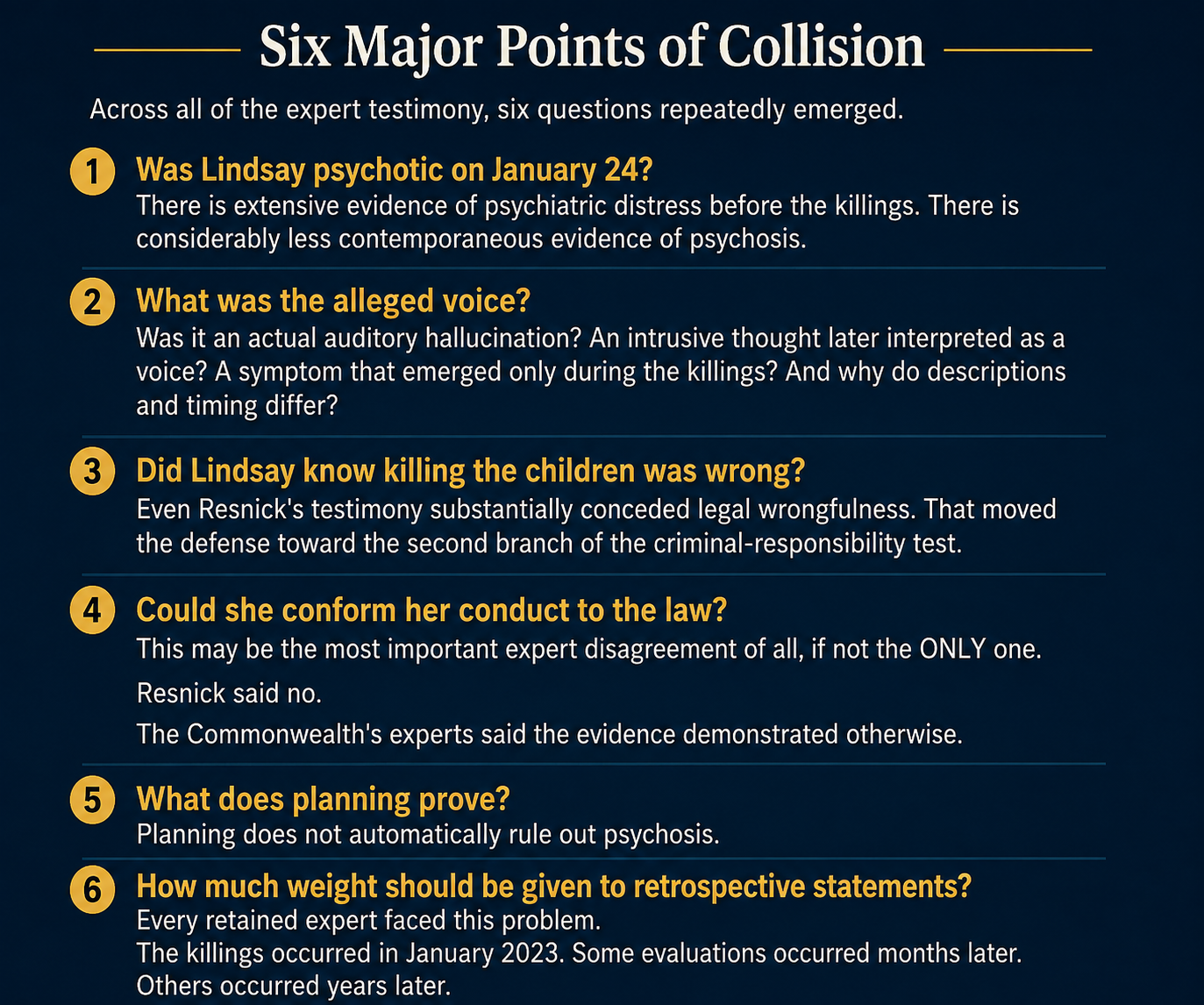
Final Analysis: Which Explanation Requires Fewer Assumptions?
Expert witnesses can explain psychiatric concepts. They can diagnose. They can administer psychological testing. They can interpret records. They can offer opinions about criminal responsibility. But they cannot travel backward to January 24, 2023 and observe Lindsay Clancy’s mind.
That means every expert opinion in this case contains inference. The most useful way to evaluate those opinions may therefore be to ask:
Which explanation requires the fewest unsupported assumptions?
The defense theory requires the jury to accept:
that Lindsay entered a psychotic state severe enough to deprive her of behavioral control despite the absence of documented hallucinations or delusions during the psychiatric treatment immediately preceding the killings.
an auditory command experience whose timing and description evolved across later accounts.
reconciling that loss of control with evidence of purposeful behavior before and during the killings.
But the Commonwealth’s theory also requires inference.
Mental illness can be concealed.
Psychosis can emerge rapidly.
Hallucinations do not have to be disclosed to clinicians.
Organized behavior does not automatically disprove psychosis.
And a mother killing three children she had demonstrably loved and cared for presents an obvious question that cannot simply be dismissed because the behavior was organized.
Why?
That is where the expert battle ultimately landed. The defense offered a psychiatric explanation for the seemingly inexplicable. The Commonwealth asked whether that explanation was actually supported by the evidence. And perhaps the prosecution’s strongest strategic decision was that it did not try to prove Lindsay Clancy was evil. It did not need to. It could accept that she was a loving mother. It could accept that she was suffering. It could accept that she had a serious mental disease.
And still argue:
She knew what she was doing, knew it was wrong, and retained enough control over her behavior to be criminally responsible for doing it.
That is a much narrower question than whether Lindsay Clancy was mentally ill. And ultimately, it is the question Massachusetts law placed before the jury.
Related Articles
Lindsay Clancy Mistrial – Jurors Speak Out
PLYMOUTH, Mass. – Five jurors have now explained their reasoning after the mistrial. Their interviews reveal how they viewed the evidence, the experts, Lindsay Clancy—and the lone juror who refused to agree. The Lindsay Clancy murder trial ended without a verdict. But...
Lindsay Clancy Murder Trial: Beyond Reasonable Doubt. vs. Reasonable Doubt
Related Articles Related
Lindsay Clancy Jury Deadlock: Did Jurors Understand the Instructions?
PLYMOUTH, Mass. – After days of deliberations and two messages informing Judge William Sullivan that they have been unable to reach a unanimous decision, the twelve jurors deciding the fate of Lindsay Clancy are clearly struggling to agree. But what, exactly, are they...