
Celeste Rivas Hernandez Family Sues d4vd: What the 20-Page Lawsuit Actually Alleges
The civil complaint goes far beyond D4vd, naming his mother, managers, business entities and a live-in security guard whose role previously surfaced during the preliminary hearing.
A Lawsuit That Goes Far Beyond D4vd
LOS ANGELES – The family of Celeste Rivas Hernandez has opened a second legal front against singer David Anthony Burke, better known as D4vd. Celeste’s parents, Mercedes Martinez and Jesus Edgardo Rivas Alvarado, have filed a sweeping 20-page civil complaint in Los Angeles County Superior Court seeking damages not only from Burke, but from members of his management team, his business entities, his mother and his former live-in security guard.
Burke is also facing pending murder charges in Los Angeles County in connection with Celeste’s death. He has pleaded not guilty, and the criminal case remains pending. The newly filed civil lawsuit is a separate proceeding and carries a different burden of proof.
The lawsuit contains 12 causes of action, ranging from wrongful death and childhood sexual assault to false imprisonment, negligence, human trafficking and aiding and abetting. But buried beyond the headlines is something potentially much more significant. The lawsuit attempts to expand responsibility beyond Burke himself.
It alleges that people and businesses surrounding the young recording artist helped manage virtually every aspect of his rapidly growing career and personal life — including his money, residence, transportation and security — and either knew or should have known that a minor child was repeatedly staying with him. And several of those names will already be familiar to anyone who followed Burke’s preliminary hearing.
Justice Case Analysis has obtained the complete 20-page complaint and made it available for readers in the D4vd Case Documents.
[LINK: FULL DOWNLOADABLE PDF CIVIL COMPLAINT]
Important: A civil complaint contains allegations made by the plaintiffs. Unless otherwise indicated, the allegations discussed below have not been proven in court, and the defendants will have an opportunity to respond.
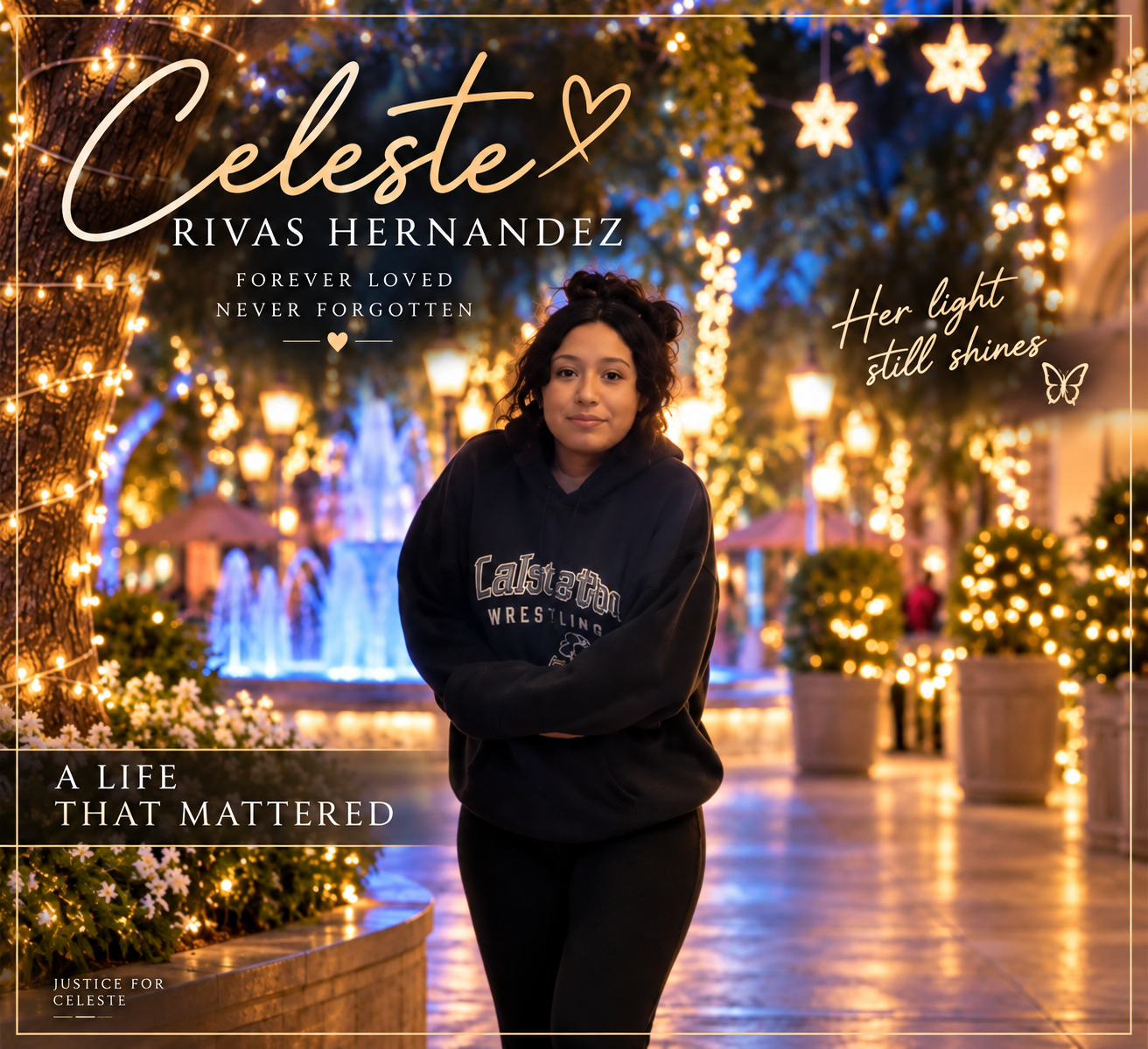
Who Is Being Sued?
The lawsuit was brought by Celeste’s parents individually and as successors in interest to their daughter.
The defendants named in the complaint are:
David Anthony Burke (D4vd)
DVD ENT, LLC
Headspace Publishing, LLC
Skullrose Merchandise, LLC
Josh Marshall
Mogul Vision, LLC
Robert Moganroth
Sheldon Jacques
Colleen Burke, David Burke’s mother
Does 1–50, unidentified defendants who may later be added
The complaint alleges that Burke owned and directed the three business entities associated with his recording, publishing and merchandising activities.
Josh Marshall and Mogul Vision are identified as Burke’s management operation. Robert Moganroth is described as Burke’s day-to-day manager who handled Burke’s business affairs and bills, while Colleen Burke allegedly served as personal finance director for DVD ENT.
Sheldon Jacques is identified as Burke’s former live-in security guard. And that name is important.
Sheldon Jacques: A Familiar Name From the Preliminary Hearing
Jacques did not suddenly appear in this case with the filing of the civil lawsuit. His name previously surfaced during Burke’s preliminary hearing. The new complaint now places his alleged role into a broader civil theory of liability.
According to the lawsuit, Mogul Vision arranged for Jacques to work as Burke’s live-in security guard, and Jacques lived at Burke’s residence for approximately six months during the period in which the alleged abuse occurred. But the complaint goes further.
It alleges that during early 2024, when Celeste repeatedly left her family home, Burke discussed enlisting Jacques to help remove Celeste from her home and transport her to Burke’s Hollywood Hills residence. The plaintiffs allege that Jacques participated in that conduct.
Later in the complaint, Celeste’s parents contend that because Jacques lived inside the residence, he allegedly permitted Burke to be alone with Celeste and failed to take reasonable steps to protect her despite knowing or allegedly having reason to know of the risk of abuse.
Those allegations form part of the family’s negligence claim against Jacques, the management defendants and Colleen Burke.
Even more significantly, the lawsuit’s twelfth cause of action alleges aiding and abetting against Jacques and one or more management defendants, claiming they provided substantial assistance or encouragement to Burke while allegedly knowing he was committing sexual battery, childhood sexual assault and false imprisonment.
Those are serious allegations. They are also allegations that will have to be proven.
But Jacques’s inclusion illustrates why this lawsuit is considerably broader than a conventional wrongful-death claim against the person accused of causing Celeste’s death.
What Does the Lawsuit Allege Burke’s Management Knew?
One of the most consequential sections of the complaint begins around paragraphs 34 through 38. The plaintiffs describe an operation in which Burke’s personal life and professional career were deeply intertwined with the people managing him.
According to the complaint, Burke’s recording, publishing and merchandising businesses operated through his affiliated entities. His recording income allegedly flowed through DVD Entertainment.
The lawsuit alleges that Burke’s management team helped arrange his Los Angeles residence, security, transportation and other necessities. Mogul Vision allegedly leased the Los Angeles residence in which Burke lived. The company also allegedly arranged for his live-in security guard.
Moganroth allegedly managed Burke’s day-to-day affairs, procured his bills and provided them to Colleen Burke for payment. Colleen Burke, meanwhile, allegedly served as Burke’s personal finance director, approved and paid business expenses — including his residences — and controlled the flow of company funds. The plaintiffs therefore argue that the defendants surrounding Burke weren’t simply distant business associates who occasionally handled a record deal. They allegedly helped operate the infrastructure of his daily life.
The lawsuit claims these defendants knew or should have known of Burke’s allegedly dangerous conduct toward minors and of his relationship with Celeste. The management defendants have previously denied knowing about the relationship. The Los Angeles Times reported after the lawsuit was filed that Mogul Vision and Moganroth had previously denied knowledge of Burke’s relationship with Celeste.
That dispute — what the people surrounding Burke actually knew, and when they knew it — could become one of the central issues in the civil litigation.
The Complaint Reconstructs Celeste’s Relationship With Burke
Much of the lawsuit incorporates allegations and evidence already familiar from Burke’s criminal prosecution. According to the complaint, Celeste and Burke first met in person around November 2023, when Celeste was 13 and Burke was 18. The plaintiffs allege that a sexual relationship continued through 2024 and into 2025. The complaint cites photographs, communications and other evidence that prosecutors have also relied upon in the criminal case.
It further alleges that Burke exercised substantial influence and control over Celeste, including arranging and paying for travel, providing false identification and facilitating repeated contact with her. According to the complaint, Burke orchestrated Celeste’s departure from her family on or about February 17, 2024. The lawsuit alleges that the relationship continued until April 2025.
What the Lawsuit Alleges Happened on April 23, 2025
The complaint alleges that on April 22, 2025, Burke told Celeste that he wanted to end their relationship. According to the filing, Celeste responded by threatening to expose their relationship and Burke’s career. The following day, the lawsuit alleges, Burke arranged for a rideshare vehicle to transport Celeste from near her family’s home to his residence at 1365 Doheny Place.
The complaint says records reviewed by the investigator show Celeste arriving at approximately 10:10 p.m. She was allegedly not seen communicating again after approximately 10:31 p.m. The lawsuit alleges that Burke then intentionally caused two penetrating wounds to Celeste’s torso.
The complaint draws heavily from the prosecution’s criminal theory and medical evidence in making those allegations.
Burke has pleaded not guilty in the criminal case, and the allegations concerning Celeste’s death have not yet been determined by a jury.
The Alleged Effort to Conceal Celeste’s Death
The civil complaint also incorporates evidence concerning what allegedly happened after Celeste died. It describes purchases prosecutors presented during the preliminary hearing, including tools and supplies the plaintiffs contend were used in connection with concealing and disposing of Celeste’s remains. The complaint alleges that Burke subsequently concealed Celeste’s remains inside the front trunk of his Tesla and left the vehicle parked on a public street.
Her remains were ultimately discovered on September 8, 2025.
But the civil complaint doesn’t limit its concealment allegations to Burke. Paragraphs 37 and 38 allege that Burke and others subsequently participated in a coordinated effort to conceal evidence and prevent discovery of what had happened. That allegation could become particularly important during civil discovery.
If the lawsuit survives early motions and proceeds into discovery, attorneys may seek communications, financial records, business records and testimony from the people surrounding Burke in an effort to determine exactly what they knew before and after Celeste disappeared.
The 12 Causes of Action — What Is the Family Actually Claiming?
The first page of the complaint lists 12 separate causes of action. They do not all apply to every defendant.
1. Wrongful Death — Against David Anthony Burke
Celeste’s parents allege Burke intentionally and unlawfully caused their daughter’s death and seek damages for the loss of her love, companionship, comfort, care, assistance, affection and moral support, as well as funeral and burial expenses.
2. Survival Action – Battery — Against Burke
This claim is brought on Celeste’s behalf for the alleged fatal attack itself.
3. Survival Action – Sexual Battery — Against Burke
The complaint alleges repeated unlawful sexual contact beginning when Celeste was 13.
4. Survival Action – Childhood Sexual Assault — Against Burke
This claim specifically addresses alleged sexual conduct while Celeste was under 18.
5. Survival Action – Assault — Against Burke
The family alleges Burke intentionally placed Celeste in fear of imminent harmful contact immediately before the fatal attack.
6. Survival Action – False Imprisonment — Against Burke
The complaint alleges Burke confined Celeste at his residence and exercised control over her through their relationship, including allegedly arranging transportation and restricting her freedom.
7. Survival Action – Intentional Infliction of Emotional Distress — Against Burke
The plaintiffs characterize Burke’s alleged conduct as extreme and outrageous and claim Celeste suffered severe emotional distress as a result.
8. Negligent Infliction of Emotional Distress / Interference With the Right to Control Disposition of Remains — Against Burke
This claim concerns the alleged concealment and treatment of Celeste’s remains and the resulting interference with her family’s right to recover and bury their daughter.
9. Survival Action – Human Trafficking — Against Burke
The complaint alleges Burke caused or persuaded Celeste, a minor, to engage in commercial sex acts and deprived or violated her personal liberty.
One particularly notable allegation is that Burke allegedly promised Celeste a future marriage without intending to follow through, which the plaintiffs contend was part of the alleged coercion.
10. Survival Action – Childhood Sexual Assault: Negligence and Breach of Duty to Protect
Against the entity defendants.
This is one of the claims that attempts to extend responsibility beyond Burke.
The plaintiffs allege that the business entities and management operation employed or managed Burke and negligently hired, retained or supervised him despite allegedly knowing or having reason to know of dangerous conduct toward minors.
11. Survival Action – Negligence
Against the management defendants, Sheldon Jacques and Colleen Burke.
The family argues these defendants exercised control over important aspects of Burke’s environment and nevertheless failed to take reasonable steps to protect Celeste.
12. Survival Action – Aiding and Abetting
Against Sheldon Jacques and one or more management defendants.
The plaintiffs allege these defendants knowingly provided substantial assistance or encouragement to Burke’s alleged misconduct.
Again, these are the plaintiffs’ legal theories and allegations, not findings by the court.
How Much Money Is the Family Seeking?
There is no specific dollar figure stated in the complaint. Instead, the plaintiffs ask the court to determine damages at trial. They seek various forms of economic, noneconomic, compensatory and exemplary damages depending upon the particular claim.
The human-trafficking cause of action also seeks statutory remedies, including damages the complaint describes as potentially reaching three times actual damages or $10,000, whichever is greater, along with attorney’s fees and costs.
The family has demanded a jury trial on all causes of action.
And Then There Is the Money
The timing of the lawsuit creates another interesting issue. Only days before the civil action became public, Burke’s privately retained criminal defense attorneys withdrew and the Los Angeles County Public Defender’s Office assumed his representation.
Celeste’s family publicly questioned how Burke qualified for appointed counsel. Family attorney Patrick Steinfeld pointed specifically to financial evidence revealed during Burke’s preliminary hearing and questioned whether assets or business structures were being used to make Burke appear unable to afford private counsel.
That financial testimony now has another potential significance. There is an actual civil lawsuit seeking damages.
Would Transferring Property Protect It From a Civil Lawsuit?
This is a question that may become increasingly important as the civil case proceeds. Testimony during Burke’s preliminary hearing raised questions concerning his finances, business entities and property associated with Burke and his family. But transferring property to another person does not automatically place that property beyond the reach of future creditors or civil plaintiffs.
Courts can examine the circumstances surrounding an asset transfer, including when it occurred, what consideration was exchanged, and whether the transfer was made with an intent to hinder or avoid creditors. That does not mean any particular Burke property transfer was improper. Nor does the filing of this lawsuit establish that assets were transferred to avoid Celeste’s family. Those would require evidence.
But because the family is now actually seeking civil damages — and because Burke’s financial condition has separately become an issue in the criminal case — his assets and business structure could receive considerably more scrutiny. And civil discovery may eventually answer questions that the preliminary hearing could not.
Celeste’s Family Speaks Out
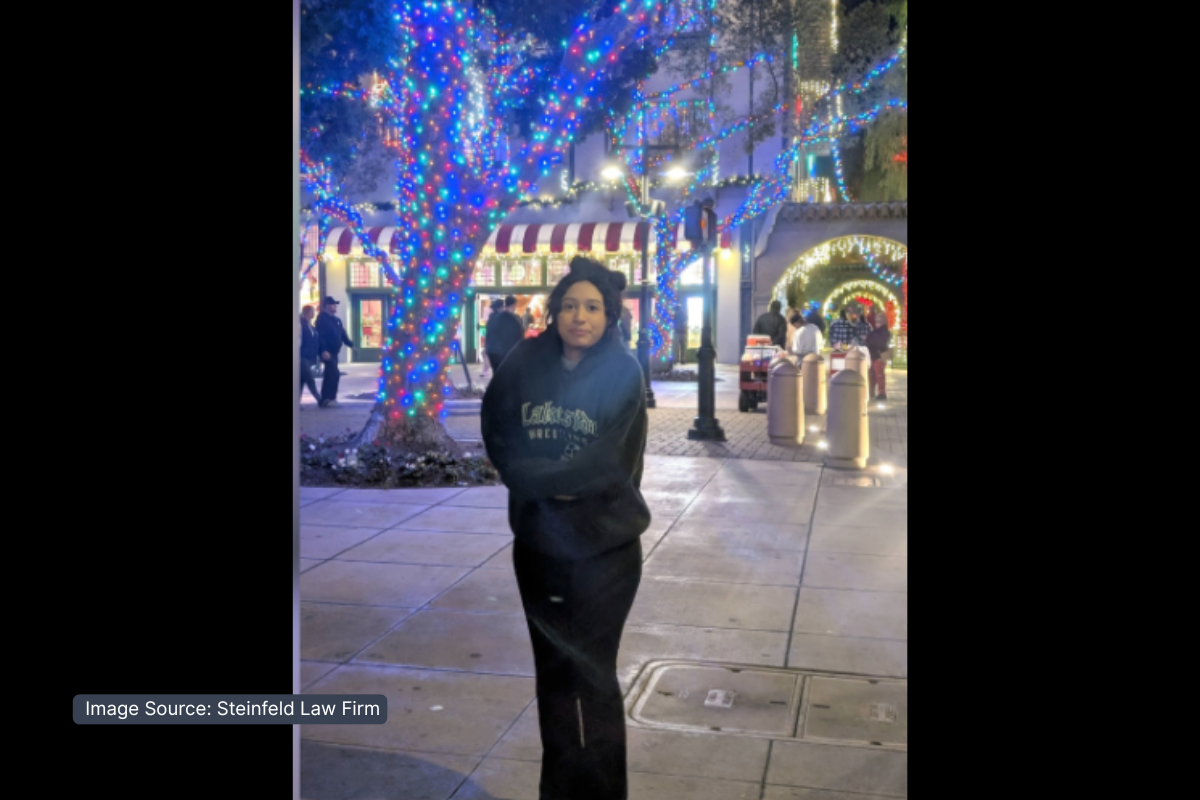 The lawsuit arrives during an emotional week for Celeste’s family. September 7 would have been her 16th birthday. Her family released a new photograph of Celeste and described spending the day remembering her, praying and singing “Happy Birthday.”
They also made their position on Burke’s potential punishment unmistakably clear. The family said that if the death penalty were available, it would be appropriate for someone they described as being “without conscience,” while acknowledging that the ultimate decision belongs to California’s justice system.
Los Angeles County District Attorney Nathan Hochman has not announced a final decision on whether prosecutors will seek the death penalty. Burke is scheduled to return to court October 19 for a status conference.
What Happens Next?
The civil lawsuit now begins its own path through Los Angeles County Superior Court, separate from Burke’s criminal prosecution. The defendants will have opportunities to answer the allegations and challenge the claims against them. But if the case proceeds into discovery, the litigation could potentially reach far beyond the evidence presented at Burke’s preliminary hearing.
Records concerning Burke’s businesses, finances, residences, security arrangements and management operation could become relevant. So could communications between the people surrounding him. And that may ultimately make one question particularly important:
How much did the people around David Burke know about Celeste Rivas Hernandez — and when did they know it?
The criminal case will determine whether prosecutors can prove beyond a reasonable doubt that Burke committed the crimes charged against him. The civil case asks a different and potentially much broader question:
Was David Burke the only person legally responsible for what happened to Celeste — or did people and businesses surrounding him have opportunities and duties to protect a 13- and 14-year-old child and fail to do so?
For the first time, Celeste’s family is asking a court to answer that question.
JCA Case Documents
📄 Read or download the complete 20-page civil complaint:
[LINK TO PDF]
📂 D4vd / Celeste Rivas Hernandez Case Documents:
[LINK]
📌 D4vd Case Updates:
[LINK]
Related Articles
David Anthony Burke (d4vd) Preliminary Hearing Day 5: Judge Orders Singer to Stand Trial
Courtroom Drama The fifth and final day of David Burke's preliminary hearing shifted from introducing new evidence to bringing together the digital, forensic, and witness testimony presented over the...
David (d4vd) Anthony Burke Preliminary Hearing Day 4
Courtroom Atmosphere Day 4 focused primarily on forensic pathology and digital evidence. The morning was dominated by testimony from the Los Angeles County Medical Examiner, who detailed the autopsy...
David (d4vd) Anthony Burke Preliminary Hearing Day 3
Courtroom Drama Before testimony resumed, Judge Olmedo dealt with an unusual disruption after learning a reporter had violated the court's prohibition on live reporting from inside the courtroom....