
David (d4vd) Anthony Burke Preliminary Hearing Day 4
A factual recap of Day 4 of David Anthony Burke's (d4vd) preliminary hearing, including testimony by the medical examiner and a digital forensics analyst, and the prosecution and defense arguments.
What Was Presented on Day Four
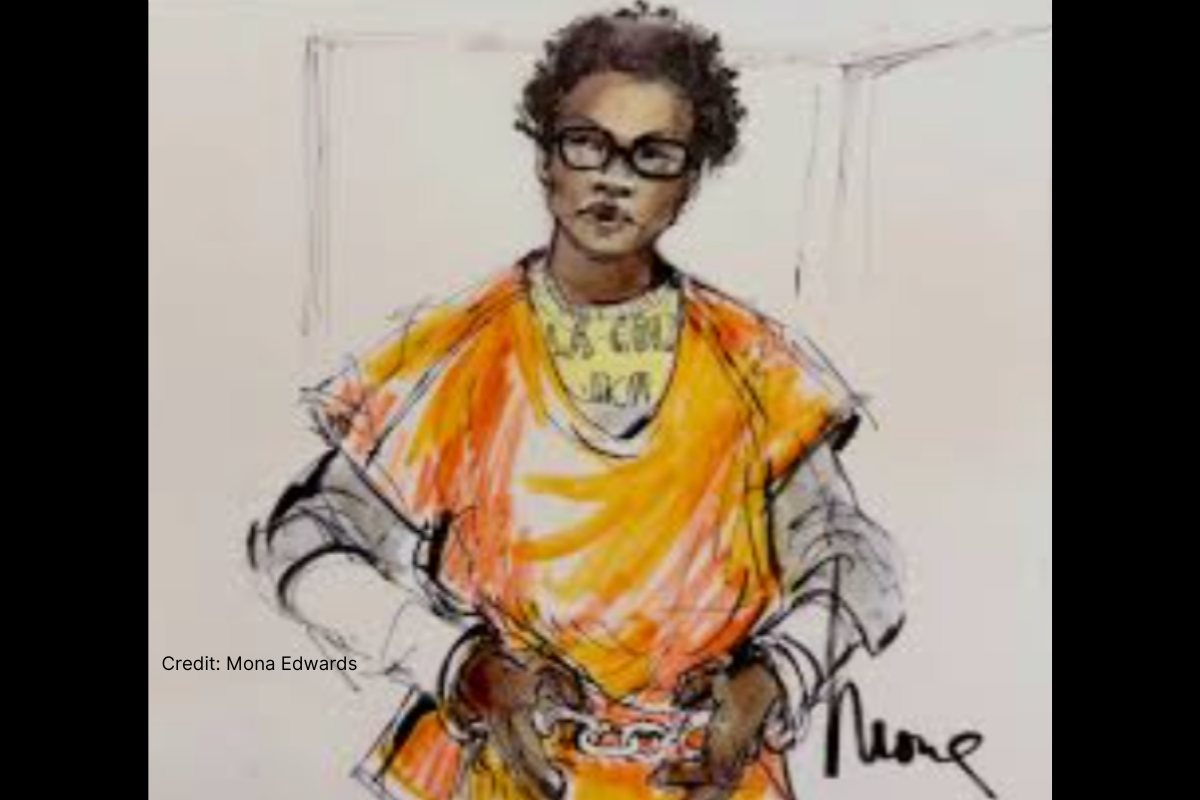
Courtroom Atmosphere
Day 4 focused primarily on forensic pathology and digital evidence. The morning was dominated by testimony from the Los Angeles County Medical Examiner, who detailed the autopsy findings and cause of Celeste’s death. The afternoon shifted to digital evidence, with investigators introducing text messages and other electronic records documenting the relationship between Burke and Celeste.
Dr. Grant Ho – Deputy Medical Examiner – Los Angeles County Medical Examiner’s Office
Dr. Ho, who performed Celeste Rivas Hernandez’s autopsy, testified that Celeste’s remains were in an advanced state of decomposition, making portions of the examination more challenging. Despite those limitations, he identified multiple sharp-force injuries that he concluded were responsible for her death.
Among his findings:
Multiple fatal stab wounds to the abdomen and left chest.
The fatal injuries resulted in damage to the liver causing internal bleeding and to the diaphragm and lungs causing impaired breathing. (See graph)
Extensive postmortem dismemberment. Amputations went through bone and soft tissue, and the cuts appeared smooth.
Celeste’s left ring finger and left pinky finger had been amputated.
Identified a “SHHH” tattoo on the inside of the right index finger.
Plastic fragments embedded within some cut surfaces that investigators compared to other physical evidence recovered during the investigation.
Identification of Celeste through several methods, including her dental braces.
Toxicology report indicated trace amounts of ethanol which could be attributed to decomposition, and a benzodiazepine. These results do not support an overdose.
Dr. Ho ruled the cause of death to be multiple penetrating injuries and the manner of death as homicide. He explained that “homicide” is a medical classification indicating death caused by another person and is not a legal determination of guilt.
Defense Cross-Examination
Defense attorney Marilyn Bednarski questioned Dr. Ho about the limitations of the autopsy caused by decomposition and explored whether any alternative explanations could account for Celeste’s fatal injuries.
During cross-examination, Bednarski questioned whether the pattern of injuries could be consistent with self-inflicted wounds. Dr. Ho testified that, based on his experience, self-inflicted fatal sharp-force injuries are typically accompanied by hesitation wounds—superficial injuries commonly seen when a person attempts to injure themselves. He testified that he did not observe evidence consistent with hesitation wounds in this case and reaffirmed his opinion that the manner of death was homicide.
The defense also questioned Dr. Ho about the effects of decomposition and the limits it placed on certain forensic conclusions. While acknowledging those limitations, Dr. Ho maintained that the totality of the evidence supported his findings regarding both the cause and manner of death.
The defense highlighted:
Certain findings were more difficult to evaluate because of decomposition.
Some forensic conclusions could not be made with absolute certainty.
The medical examiner could not determine every detail surrounding the injuries or postmortem dismemberment.
Detective Corey Farrell – Los Angeles Police Department – Digital Evidence
Detective Farrell testified about digital evidence recovered from electronic devices and cloud accounts associated with the investigation.
The prosecution concluded Day 4 by introducing a substantial collection of text messages and other digital communications recovered during the investigation. The messages, spanning many months, were presented to illustrate the progression of Burke’s relationship with Celeste and provide context leading up to her disappearance.
According to prosecutors, the communications contained evidence that initiated charges of Continuous SA of a Child and Lewd and Lascivious Acts:
An ongoing intimate relationship between Burke and Celeste.
Discussions referencing sexual activity and the exchange of photographs and videos.
Conversations related to at least one pregnancy and an abortion, with references suggesting there may have been more than one.
Messages indicating Burke purchased expensive gifts for Celeste, including what were referred to in the communications as “abortion gifts.”
Planning surrounding an event labeled “Operation Awesome,” which prosecutors allege referred to the February 15, 2024, date Burke and a security employee picked Celeste up from her family home and brought her to live with him.
The gradual deterioration of the relationship over time, including increasing conflict and emotional strain between the two.
The messages also reflected moments of affection and emotional attachment between Burke and Celeste, illustrating that the relationship was complex and, at times, appeared emotionally significant to both individuals. However, prosecutors contend the communications demonstrate an unlawful relationship between an adult and a minor, forming an important part of the broader case.
Notably absent from the evidence presented on Day 4 were the text messages exchanged on the day investigators believe Celeste was killed. Those communications had not yet been introduced during the preliminary hearing and may be presented in later testimony.
Prosecution Strengths
The prosecution used Day 4 to strengthen two major aspects of its case:
Medical evidence
Establish that Celeste died as the result of intentional, fatal injuries.
Reinforce that her death was a homicide based on the autopsy findings.
Relationship evidence
Demonstrate the history and nature of Burke’s relationship with Celeste through electronic communications.
Continue building the prosecution’s theory regarding motive and the events leading up to her death.
Day 4 significantly strengthened the prosecution’s case by presenting expert medical testimony establishing the cause and manner of death while also expanding the jury’s understanding of the relationship between Burke and Celeste through digital evidence.
Together, the testimony helped connect the forensic evidence with the broader timeline prosecutors have been developing throughout the preliminary hearing.
Defense Strengths
Although Day 4 largely favored the prosecution, the defense continued laying the groundwork for arguments it may develop more fully at trial.
Challenging the Medical Evidence
Defense attorney Marilyn Bednarski repeatedly emphasized the limitations created by the advanced decomposition of Celeste’s remains. While Dr. Ho remained firm in his conclusions, the defense highlighted areas where the medical examiner could not state his findings with absolute certainty, including the exact timing of postmortem injuries and the specific tool used during the dismemberment.
Exploring Alternative Explanations
The defense also questioned whether the fatal injuries could have been self-inflicted. Dr. Ho rejected that possibility, explaining he did not observe hesitation wounds typically associated with self-inflicted sharp-force injuries and reaffirmed his homicide ruling. Although the testimony did not appear to weaken the prosecution’s case, it provided insight into possible defense theories should the case proceed to trial.
Emphasizing Investigative Limits
Through cross-examination, the defense reminded the court that some forensic conclusions were necessarily limited by the condition of the remains. Even where Dr. Ho maintained his opinions, the defense sought to distinguish between conclusions supported by direct medical findings and those based on the overall circumstances of the investigation.
My Assessment After Day Four
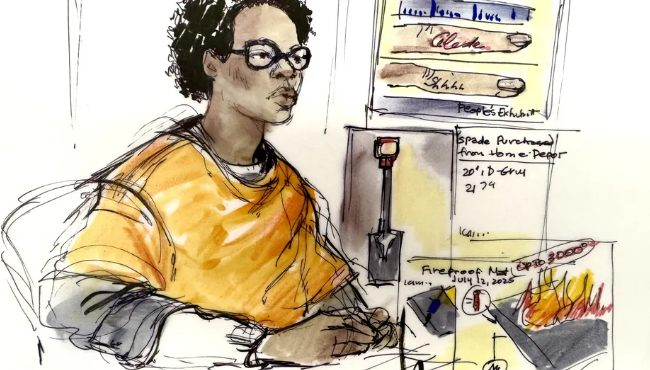
The defense isn’t really trying to “win” these witness examinations. They’re trying to accomplish two things:
Preserve issues for trial and for any future appeal.
Prevent every prosecution opinion from sounding absolute.
If this were a jury trial, planting seeds of reasonable doubt would be much more important. But in a preliminary hearing, the judge’s job is simply to decide whether there is enough evidence to believe a crime was committed and that Burke probably committed it—not whether guilt has been proven beyond a reasonable doubt.
That’s why many of the defense questions may seem ineffective right now. They aren’t necessarily trying to persuade Judge Olmedo to dismiss the case; they’re learning how the prosecution’s experts testify, identifying weaknesses, locking witnesses into their opinions, and beginning to shape the themes they may rely on at trial.
The defense has not offered an affirmative alternative narrative. They haven’t presented a competing explanation of what happened to Celeste aside from exploring a self-inflicted possibility. Instead, their strategy has largely been to test the prosecution’s evidence piece by piece, highlighting uncertainty wherever possible.
That’s a fairly common approach at the preliminary hearing stage. The defense isn’t required to prove anything, and it often makes sense to avoid revealing its full trial strategy before the prosecution has finished presenting its case. Mentioning that distinction could help your readers understand why the cross-examinations sometimes seem narrow or technical.
Related Articles
Celeste Rivas Hernandez Family Sues d4vd: What the 20-Page Lawsuit Actually Alleges
LOS ANGELES - The family of Celeste Rivas Hernandez has opened a second legal front against singer David Anthony Burke, better known as D4vd. Celeste's parents, Mercedes Martinez and Jesus Edgardo Rivas Alvarado, have filed a sweeping 20-page civil complaint in Los...
David Anthony Burke (d4vd) Preliminary Hearing Day 5: Judge Orders Singer to Stand Trial
Courtroom Drama The fifth and final day of David Burke's preliminary hearing shifted from introducing new evidence to bringing together the digital, forensic, and witness testimony presented over the...
David (d4vd) Anthony Burke Preliminary Hearing Day 3
Courtroom Drama Before testimony resumed, Judge Olmedo dealt with an unusual disruption after learning a reporter had violated the court's prohibition on live reporting from inside the courtroom....