
David Anthony Burke (d4vd) Preliminary Hearing Day 5: Judge Orders Singer to Stand Trial
After five days of testimony, a Los Angeles judge ruled there was sufficient probable cause to hold singer David Burke (D4VD) for trial on all charges in the death of 14-year-old Celeste Rivas-Hernandez. Here's a complete recap of Day 5 of the preliminary hearing.
What Was Presented on Day Five - Burke Ordered to Stand Trial
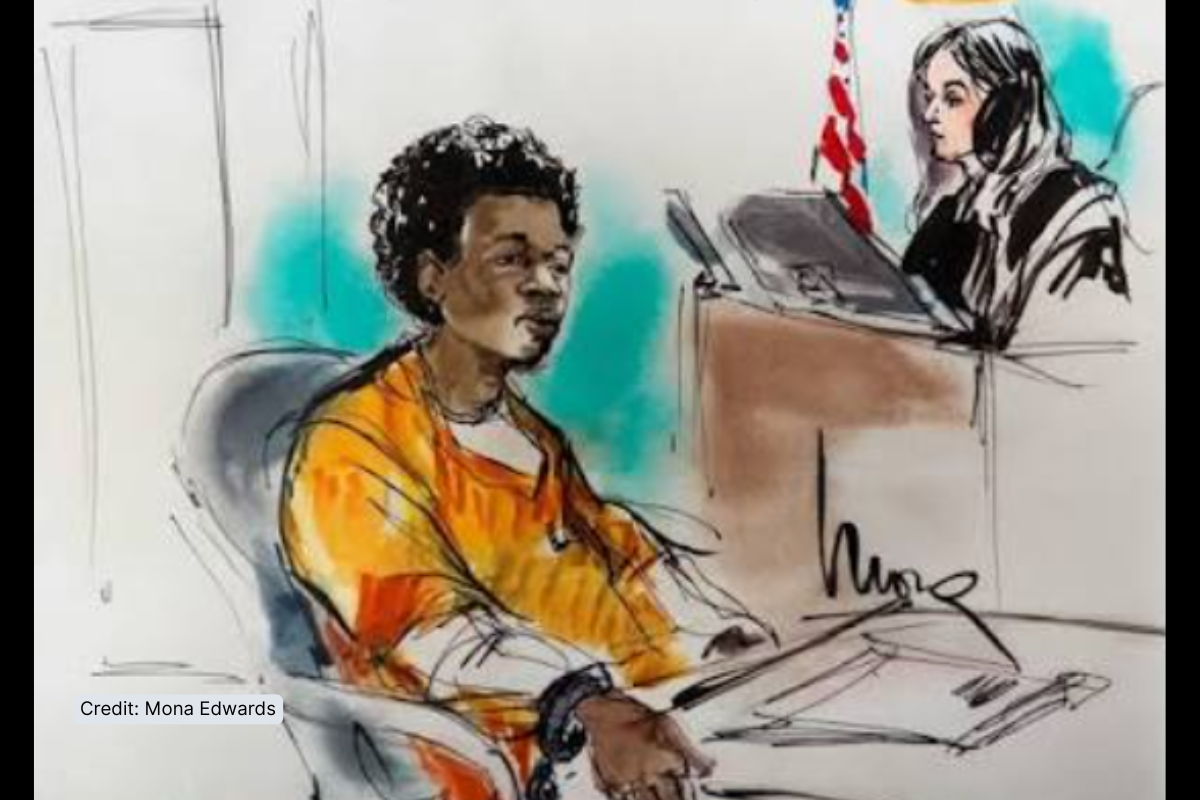
Courtroom Drama
The fifth and final day of David Burke’s preliminary hearing shifted from introducing new evidence to bringing together the digital, forensic, and witness testimony presented over the previous four days. Detective Brent Farrell returned to the stand for additional questioning before both sides delivered lengthy closing arguments focused on whether prosecutors had established probable cause for every charge and special circumstance.
After hearing arguments from both sides,
Judge Charlaine Olmedo ruled that the prosecution had met the probable cause standard and ordered Burke to stand trial on all charges.
Burke is scheduled to be arraigned on August 31, when the formal information will be filed.
Detective Brent Farrell (continued) Testimony
Deputy District Attorney Beth Silverman resumed Detective Farrell’s testimony by walking through additional text messages and digital evidence from April 22 and April 23, 2025.
The prosecution focused on:
Communications between Burke and Celeste leading up to their meeting.
Uber records documenting transportation to Burke’s residence.
Messages discussing arrival times.
Tesla navigation data and location evidence.
Additional cellphone records supporting the prosecution’s timeline.
Rather than presenting entirely new evidence, prosecutors reinforced the digital timeline they had been building throughout the hearing.
What the Prosecution Was Trying to Establish
Burke arranged for Celeste to come to his residence.
Digital records consistently supported investigators’ reconstruction of the timeline.
Various sources of electronic evidence corroborated one another.
The meeting on April 23 fit within the broader sequence of events prosecutors had outlined throughout the hearing.
Defense Cross-Examination
Defense attorney Blair Berk focused almost exclusively on what investigators could not definitively establish.
Among the points emphasized were:
No eyewitness observed Celeste entering Burke’s residence.
No surveillance video captured what occurred after the Uber arrived.
There was no digital communication documenting what occurred during the estimated time investigators believe the homicide took place.
Detective Farrell acknowledged he relied on Cellebrite reports because of the enormous volume of messages involved in the investigation.
Evidence showed Celeste had represented herself as older than her actual age to some people.
The relationship between Burke and Celeste was known to various family members and others within Burke’s circle.
Berk also attempted to introduce additional context from text messages that she argued reflected tension within the relationship. The court sustained objections to several lines of questioning that it determined were outside the limited scope of a preliminary hearing.
Closing Arguments
Unlike earlier hearing days that centered on witness testimony, much of Day Five focused on competing interpretations of the evidence.
Defense Arguments
Defense attorney Marilyn Bednarski challenged each of the three alleged special circumstances.
Lying in Wait
The defense argued prosecutors failed to establish the legal elements necessary to prove Burke intentionally concealed his purpose or carried out a surprise attack after waiting for a substantial period.
Financial Gain
The defense argued prosecutors had not demonstrated any concrete financial benefit resulting from Celeste’s death, maintaining that protecting a public career was too speculative to satisfy the financial gain special circumstance.
Witness Killing
The defense contended prosecutors had not established that Burke acted to prevent Celeste from becoming a witness in a future criminal proceeding.
Overall Defense Position
Throughout closing arguments, the defense repeatedly emphasized that the prosecution’s case relied heavily on circumstantial evidence and pointed to the lack of direct evidence showing exactly what occurred inside Burke’s residence during the estimated time of death.
Prosecution Closing
Deputy District Attorney Beth Silverman responded to each defense argument individually.
Lying in wait
Prosecutors argued the evidence showed Burke knew Celeste was arriving while she had no reason to anticipate what prosecutors allege occurred after her arrival.
Financial gain
Silverman argued Burke’s rapidly growing music career represented significant financial value that prosecutors contend was threatened by the relationship becoming public.
Witness killing
Prosecutors argued the evidence demonstrated Burke believed Celeste posed a legal and reputational risk and that preventing future disclosure formed part of the alleged motive.
Silverman argued that the three special circumstances should not be viewed independently but as interconnected aspects of the prosecution’s overall theory of the case.
Judge Finds Probable Cause
After hearing five days of testimony and argument, Judge Charlaine Olmedo ruled there was sufficient probable cause to hold Burke to answer on:
First-degree murder
Lying in wait special circumstance
Financial gain special circumstance
Witness killing special circumstance
Continuous sexual abuse of a child
Mutilation of human remains
The ruling means the court found enough evidence for the case to proceed to trial. It is not a determination of guilt.
Prosecution Strengths
The prosecution concluded the preliminary hearing by presenting a consistent theory supported by multiple forms of evidence developed over five days, including:
Digital communications
Cellphone records
Vehicle data
Financial evidence
Forensic findings
Witness testimony
Rather than relying on a single piece of evidence, prosecutors argued that each category reinforced the others, creating a unified timeline that supported probable cause.
Defense Strengths
Day Five represented the defense’s strongest presentation of the preliminary hearing.
Rather than attempting to dispute every piece of evidence, defense counsel concentrated on reasonable questions that remain unanswered, including:
The absence of direct eyewitness testimony.
The lack of surveillance footage.
The lack of direct evidence documenting the precise events inside the residence.
Alternative interpretations of portions of the digital evidence.
Legal challenges to each of the alleged special circumstances.
Those arguments preview many of the issues likely to receive greater attention before a jury.
Statements from DA and Hernandez Family Attorney
Nathan J. Hochman (Los Angeles County District Attorney)
Hochman described Judge Charlaine Olmedo’s ruling as an important milestone, announcing that David Anthony Burke had been held to answer on charges of first-degree murder with special circumstance allegations, mutilation of human remains, and continuous sexual abuse of a child. He commended Deputy District Attorney Beth Silverman, her prosecution team, and LAPD investigators for the work they presented during the five-day preliminary hearing, saying they had established overwhelming probable cause.
He repeatedly emphasized that the preliminary hearing represented only a small portion of the prosecution’s evidence.
“We presented a significant but small fraction of our evidence in this preliminary hearing.”
Hochman explained that the purpose of the hearing was to establish probable cause—not to present the entire case—and stated that jurors at trial will hear substantially more evidence, including additional witnesses and exhibits that were not introduced during the hearing. He said prosecutors are confident they will be able to prove the charges:
“The truth at a trial will be beyond reasonable doubt.”
When asked about defense arguments suggesting self-defense or portraying Celeste as the aggressor, Hochman declined to address the theories directly, reminding reporters that arguments made by attorneys are not evidence. Instead, he reiterated that the prosecution will present its full case at trial and allow the evidence to speak for itself. He also confirmed that no decision has yet been made regarding whether prosecutors will seek the death penalty.
Patrick Steinfeld (Attorney for the Rivas-Hernandez Family)
Speaking on behalf of the Rivas-Hernandez family, Patrick Steinfeld said the family believed the evidence presented during the preliminary hearing was sufficient for Judge Olmedo to hold Burke to answer on all charges. He thanked the Los Angeles County District Attorney’s Office, LAPD investigators, and members of the media for their work and for continuing to keep Celeste’s story in the public eye while respecting the family’s privacy.
Steinfeld also criticized portions of the defense’s closing arguments, stating that several assertions were not supported by evidence presented during the hearing.
“The family was horrified that the defense attorneys brought up evidence to put the blame on a 14-year-old child.”
He said the family was deeply troubled by attempts to shift responsibility onto the victim and reminded reporters that Burke had been informed during a February 17, 2024 welfare check that Celeste was only 13 years old. Steinfeld further noted that the charged child sexual abuse offenses are strict liability crimes under California law and argued that the evidence demonstrated Burke knew Celeste’s true age.
My Assessment After Day Five
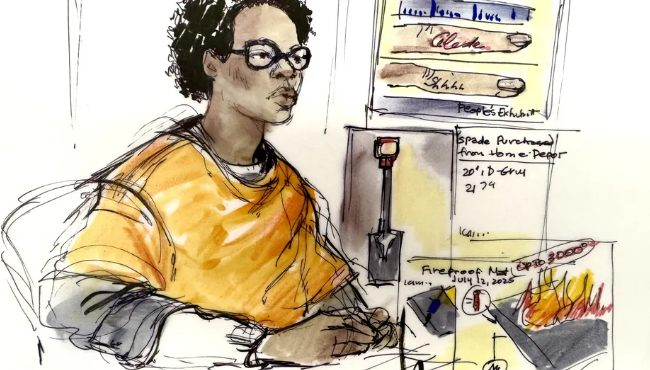
The fifth day marked the conclusion of the preliminary hearing and the beginning of the next phase of the case. After reviewing five days of testimony and evidence, Judge Olmedo determined prosecutors had established probable cause on every charged offense and special circumstance, allowing the case to proceed toward trial.
While the defense highlighted gaps in the evidence and argued that the prosecution’s case remains circumstantial, the court concluded those issues are appropriately resolved by a jury rather than at the preliminary hearing stage. As the case moves toward trial, prosecutors will now be required to prove those allegations beyond a reasonable doubt.
Although Judge Olmedo found probable cause to hold David Burke to answer, many questions remain unanswered as the case moves toward trial.
The prosecution presented evidence suggesting that Burke’s finances, business interests, and public image were closely intertwined with his personal life. Testimony from financial manager Louis Poimiroo described the transfer of properties into trusts, discussions about Burke’s growing financial obligations, and efforts by family members to raise approximately $2 million for bail following his arrest. Additional testimony indicated that entertainment attorney Benjamin Gregor was retained only after Celeste’s remains were discovered. Those facts alone raise important questions that have yet to be fully answered.
Among them:
❓How much did the people closest to Burke know? Several witnesses testified about interactions with family members, business managers, attorneys, and employees. What did each person know, and when did they know it?
❓What role did Burke’s business team play after the investigation began? Testimony established that attorney Benjamin Gregor was retained after the discovery of Celeste’s remains. What legal or business concerns prompted that decision, and what records may shed additional light on those events?
❓Why were significant financial decisions being made during this period? Jurors may eventually hear more about Burke’s assets, trusts, contracts, and financial structure. Were those decisions routine estate planning, or were they connected to other concerns raised during the investigation?
❓What additional digital evidence remains? Prosecutors repeatedly emphasized that only a fraction of their evidence was presented during the preliminary hearing. What additional phone records, electronic communications, financial records, or witness testimony will be introduced at trial?
❓Will additional witnesses emerge? Several names surfaced during the hearing whose roles remain only partially explained. Will they testify at trial, and what additional context will they provide?
And the ultimate question:
Can prosecutors ultimately prove not only what happened afterward, but exactly what happened inside the Hollywood Hills residence on April 23, 2025?
That’s really the central issue. The preliminary hearing painted an extensive picture of the relationship, the digital evidence, the financial backdrop, and the investigation. But the trial will ultimately focus on whether prosecutors can connect those pieces into a complete narrative that proves every element of the charged offenses beyond a reasonable doubt.
Related Articles
Celeste Rivas Hernandez Family Sues d4vd: What the 20-Page Lawsuit Actually Alleges
LOS ANGELES - The family of Celeste Rivas Hernandez has opened a second legal front against singer David Anthony Burke, better known as D4vd. Celeste's parents, Mercedes Martinez and Jesus Edgardo Rivas Alvarado, have filed a sweeping 20-page civil complaint in Los...
David (d4vd) Anthony Burke Preliminary Hearing Day 4
Courtroom Atmosphere Day 4 focused primarily on forensic pathology and digital evidence. The morning was dominated by testimony from the Los Angeles County Medical Examiner, who detailed the autopsy...
David (d4vd) Anthony Burke Preliminary Hearing Day 3
Courtroom Drama Before testimony resumed, Judge Olmedo dealt with an unusual disruption after learning a reporter had violated the court's prohibition on live reporting from inside the courtroom....